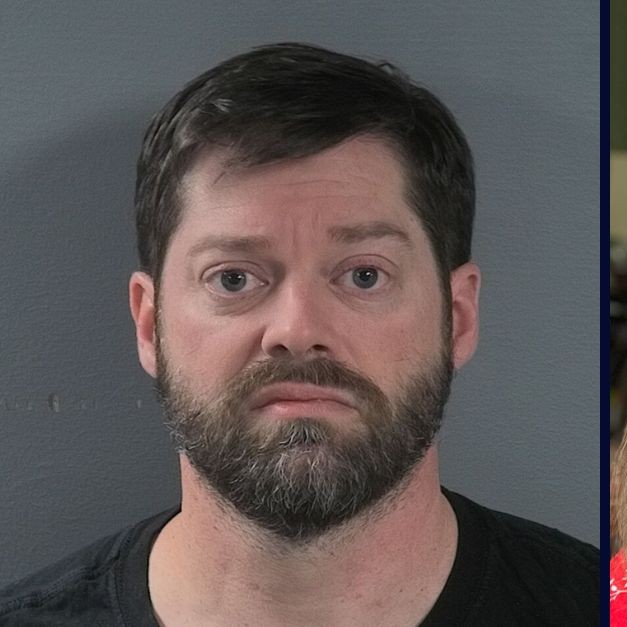



By the time officers reached Room 116 at a budget hotel in northeast Washington, D.C., the man they say should have been back in court months earlier was already gone, and the visitor inside had been stabbed dozens of times.
Who Was In Room 116
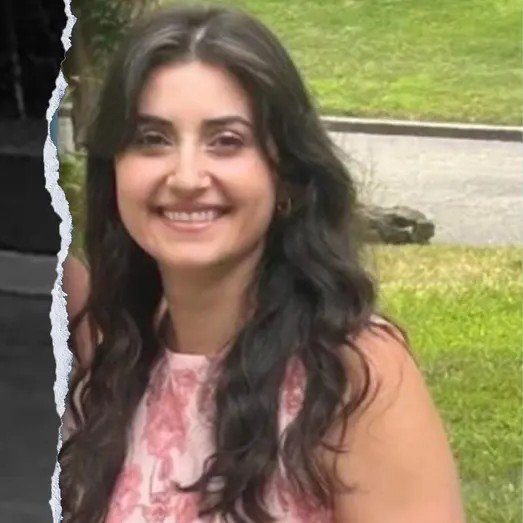
According to federal prosecutors, 31-year-old Christy Bautista had driven from Harrisonburg, Virginia, to Washington, D.C., for a concert and checked into the Ivy City Hotel on New York Avenue NE in March 2023. She was staying alone. In October 2025, 46-year-old District resident George Sydnor admitted in court that he murdered her.
In a plea agreement described in a press release from the U.S. Attorney’s Office for the District of Columbia, Sydnor pleaded guilty to one count of premeditated first-degree murder while armed, a top charge in the local system that governs felony prosecutions in the federal district. In January 2026, D.C. Superior Court Judge Neal Kravitz sentenced him to 40 years in prison, which prosecutors said is the maximum allowed for that offense in the jurisdiction, followed by five years of supervised release.
From Concert Plans To A Homicide Scene
The Justice Department press release and earlier coverage by Law&Crime outline a brief, tightly documented timeline of the killing. Bautista arrived at the Ivy City Hotel shortly before 5:30 p.m., checked in, and brought her belongings into a ground-floor room that opened directly to the parking lot. She moved her car so she could park close to her door.
Roughly an hour and a half after she arrived, investigators say, Sydnor came to the hotel on a rideshare bicycle. Surveillance footage and witness accounts summarized by prosecutors state that he rode toward a cluster of ground-level rooms near Bautista’s, stopped outside her window, and then approached her door.
Prosecutors said Bautista was in the process of ordering pizza when Sydnor forced his way in and shut the door behind him. Within minutes, her neighbors heard sounds of a struggle and called 911. When officers reached the room, they found Bautista gravely wounded.
Inside The Room
Law&Crime, citing court records, reported that Bautista had been stabbed 34 times. A medical examiner found that most of the wounds were in her back and that several thrusts had pierced vital organs, including her lungs and liver. Some blows were delivered with such force that they also produced blunt force trauma and broken ribs.
Officers found a broken Santoku-style kitchen knife with a red handle at the scene. One blood-covered piece lay near Bautista. The other half, still stained with blood, was in a black jacket left on one of the beds, which police linked to Sydnor.
In an arrest affidavit quoted by Law&Crime, police wrote, “The broken half of the knife blade was found inside of the black jacket in the front left pocket. This half of the knife was also covered in blood. There were no other weapons or cutting instruments found inside of room 116.”
Despite the rapid police response, Bautista died from her injuries. Authorities have not publicly alleged that she knew Sydnor or had any prior contact with him. In court, both prosecutors and her relatives described the attack as random.
A Guilty Plea And Maximum Sentence
More than two years after the homicide, Sydnor formally accepted responsibility. In October 2025, he entered a guilty plea to premeditated first-degree murder while armed, avoiding a trial but exposing himself to a potential multi-decade term.
The U.S. Attorney’s Office said in its statement that it sought the maximum available sentence. Judge Kravitz imposed 40 years of incarceration, to be followed by five years of supervised release. In the local system, where there is no death penalty and parole has been abolished, such a sentence typically means the defendant will spend most of his remaining life behind bars, subject to credit for time already served and any potential future changes in law.
The sentencing hearing also created a rare public record of how Bautista’s relatives understand what happened before her death and why they believe it should not have been possible.
Family Emphasizes ‘Randomness’ And Precautions
In court, members of Bautista’s family described their loss and the circumstances that brought her to Washington. Speaking to the D.C.-based station WTOP, which covered the sentencing, one of her younger sisters highlighted how unpredictable the attack felt from the family’s perspective.
“Just the randomness of it all is, I don’t know, it’s hard to digest, because things could have been prevented,” she said. “She was aware. She moved her car right out in front of her hotel room. She had all the right precautions, and she still was killed randomly.”
WTOP reported that relatives described the stabbing using words such as “sadistic,” “brutal” and “vicious.” Those descriptors are their characterizations. Court documents that have been made public support their account of the number and severity of the wounds, but they do not resolve the question of why Bautista became a target that evening or what Sydnor intended before he walked up to her door.
A Prior Case And A Bond Decision
For Bautista’s family, the key events began months before the night of the killing. According to WTOP, her aunt used her victim impact statement to focus on an earlier case against Sydnor that had nothing to do with Bautista, but that, in her view, positioned him to commit the murder in the hotel room.
“The system’s supposed to keep victims safe, and in this situation, Christy was the victim of a person who had just pleaded guilty months before to attacking another woman randomly,” the aunt said. “He was supposed to come back to court, and he did not, and when he did not, he was free to murder Christy.”
That account, attributed to the aunt and reported by WTOP, contains several distinct claims. First, that Sydnor had pleaded guilty in a separate case involving an attack on another woman. Second, that a different judge granted him bond in that matter. Third, that he missed a required court date and remained at large.
The publicly available sentencing materials in Bautista’s case, as described in Law&Crime and the Justice Department release, do not detail the prior case or the specific bond conditions. They do not name the earlier judge. Absent direct access to that case file, those elements remain based on the family’s description rather than independent documentary evidence presented in open court at the murder sentencing.
What is clear from the record is that Bautista’s relatives see a straight line from the earlier release decision to her death. They are not only grieving a loss. They are challenging how closely the local courts monitored a man who, by the time of his plea in the hotel killing, had already been accused of unrelated violence.
How Officials Describe The Crime
In its press release, the U.S. Attorney’s Office called Bautista’s killing “senseless” and described her as a visitor who had only recently arrived in the city when she was attacked. Prosecutors emphasized the number of stab wounds, the concentration of injuries in her back, and the efforts of first responders who arrived within minutes but were unable to save her.
The government did not publicly attribute a motive to Sydnor or suggest that he had a personal connection to Bautista. The portrait that emerges from the sentencing materials is of a lethal encounter between strangers, in which the victim’s efforts to stay near her vehicle and keep a low profile did not prevent an attack that unfolded in a matter of moments.
A Life Remembered Beyond The Case File
Outside the courtroom, Bautista’s family and friends have tried to document who she was before the case became a criminal file number. A GoFundMe page created to support her relatives recalls her as someone who carried other people through their own fears.
“Christy made an impact on everyone’s lives that she encountered. She was a shining light that lifted up everyone’s spirits around her. She encouraged people to do things they were afraid of and cheered them on. She showed them what true strength was through her courageous actions. She would remember one small, random thing you said and find any way to help. Her life was ended way too short by a cruel act of violence that she did not deserve,” the organizer wrote.
Those details, while not legally relevant to the elements of first-degree murder, explain why her relatives pressed prosecutors to seek the maximum sentence and why they chose to speak out about the earlier case that they believe put her at risk.
What Remains Unanswered
With Sydnor’s guilty plea and 40-year sentence, the criminal case over what happened inside Room 116 is formally resolved. The core facts of the attack are no longer contested in court. Yet key parts of the story around it remain incomplete in the public record, including the precise history of Sydnor’s prior case and how he came to be out of custody before the night of the killing.
For now, the most detailed description of that earlier chapter comes from Bautista’s aunt, who told the judge, “When he did not [return to court], he was free to murder Christy.” Her statement is both a personal indictment of one defendant and an implicit challenge to the system that let him walk out of jail before he crossed paths with a woman who had come to the city for a concert and never made it home.