

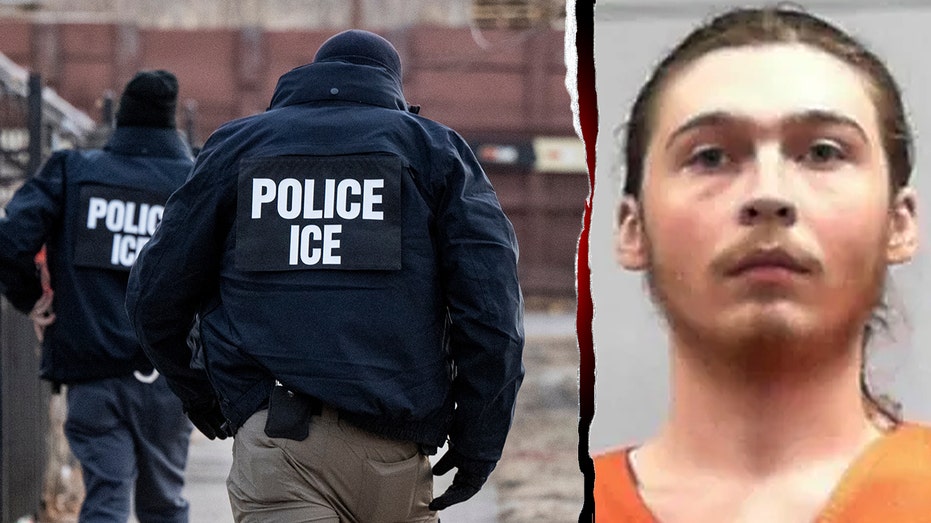
By the time state troopers pulled the videos, the comments were already gone, and the accounts were changing. What remained was enough for two separate West Virginia residents to land in jail on accusations that their online words crossed the line into violent criminal threats.
In recent days, 20-year-old Cody Smith of Harrison County and librarian Morgan L. Morrow of Jackson County have both been charged under West Virginia’s terroristic threat statute. In both cases, investigators say brief online clips and posts targeted President Donald Trump or his supporters, along with federal immigration authorities.
From Online Videos to a Felony Charge
According to a criminal complaint obtained by local station WBOY, West Virginia State Police in the Harrison County sector opened an investigation after receiving a “threats complaint” from the county sheriff’s office in mid-January.
Troopers reviewing the complaint identified Smith as the subject. They allege he had posted videos of himself online in which he described plans to attack and kill agents with U.S. Immigration and Customs Enforcement, or ICE, while he was contacting the U.S. Department of Homeland Security.
Local station WDTV reported that, during one of those contacts, Smith also threatened the DHS employee who answered the phone. The detailed wording of those alleged threats has not been released publicly in the local coverage.
State police then began to look beyond the initial videos. According to the WBOY account of the criminal complaint, investigators say they found older social media posts in which Smith allegedly described violence not just against federal agents, but also against civilians he associated with Trump or U.S. military policy.
In those clips, WBOY reported, Smith allegedly said he intended to murder Trump supporters and “war supporters,” as well as service members he described as willing to “bootlick.” The complaint also states that he threatened Trump himself.
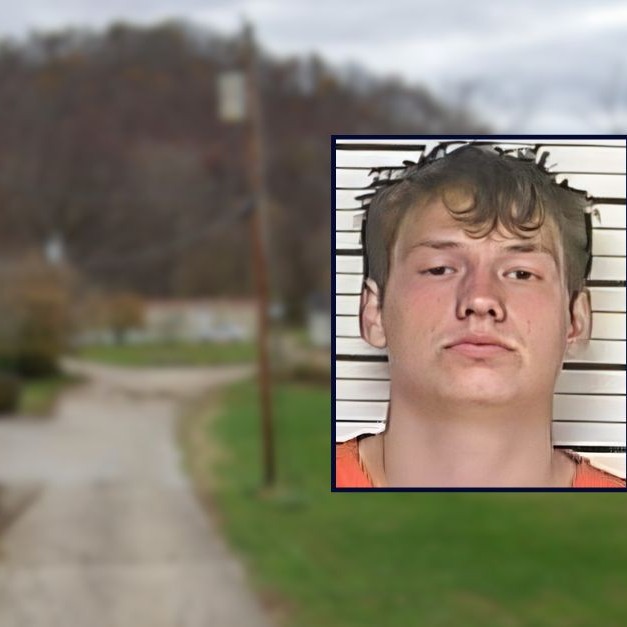
Smith was later arrested and charged with making terroristic threats, according to Fox News Digital, which cited state court records. Those records show he is being held at North Central Regional Jail, with a bond set at $ 75,000.
Fox News Digital reported that it was unable to identify an attorney representing Smith and that the Harrison County Prosecutor’s Office did not respond to a request for comment. Public records available through the linked coverage do not indicate whether Smith has entered a plea or appeared in court for an initial hearing.
What West Virginia Law Says About Threats
Under West Virginia law, making a “terroristic threat” is a felony offense. The statute covers threats to commit violence that are alleged to cause evacuation of a building, serious public inconvenience, or terror, or that target specific individuals or groups.
The complaints described by WBOY and WDTV place Smith’s alleged conduct within that framework. In their telling, troopers and prosecutors are treating the online videos and telephone threats as more than political speech or offensive rhetoric. They are accusing him of expressing criminal intent to kill named categories of people, including ICE agents and Trump supporters.
That legal distinction, between protected speech and a chargeable threat, often turns on context and specificity. The available reporting does not include the complete recordings, timestamps, or information about how many people viewed the material before it was removed or accounts were altered.
There is also no public indication yet that federal charges are being considered in Smith’s case. All publicly reported accusations are at the state level, under West Virginia’s terroristic threat law, and remain allegations unless and until proven in court.
A Second Case: Librarian Accused of Seeking ‘Assassins’
Not long before Smith’s arrest, authorities in another part of West Virginia announced a separate case involving online threats related to Trump.
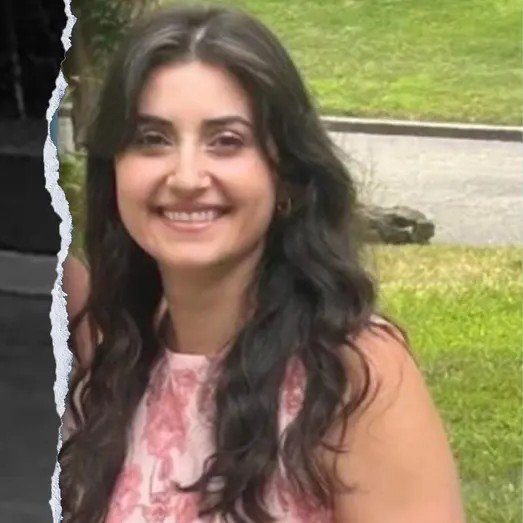
The Jackson County Sheriff’s Department said that Morgan L. Morrow of Ripley had been arrested and charged with one count of making a terroristic threat, according to a report by Fox News Digital. The outlet identified Morrow as an employee of the Jackson County Public Library.
In a news release described in that reporting, deputies characterized the underlying allegation as a “social media recruitment of individuals to pursue and assassinate President Trump.” The sheriff’s office has not, in publicly available documents, named the platform or specified how many people saw or interacted with the material.
The case came to law enforcement attention after the activist account Libs of TikTok posted what it said was a video originally published by Morrow. According to Fox News Digital, the video carried the caption, “Surely a sniper with a terminal illness cannot be a big ask out of 343 million.” That wording, if accurately quoted from the original post, is now part of the basis for a felony charge under the same state statute invoked in Smith’s case.
The Jackson County Public Library quickly attempted to distance the institution from the online content. In a public statement reported by Fox News Digital, the library said, “The comments recently made by an employee do not reflect the mission, values, or standards of conduct of our organization. We take our responsibilities to the public and our supporters seriously and are committed to professionalism, respect, and integrity in all that we do.”
The statement continued, “The views expressed are made in an individual capacity and do not represent the position of the organization. We are addressing the matter internally in accordance to our established policies and procedures. We remain committed to our mission and serving our community in a manner that upholds our core values.”
As with Smith, there is no publicly available information yet on whether Morrow has obtained counsel, how they intend to plead, or whether prosecutors will seek additional counts.
Patterns, Context, and Missing Pieces
The two West Virginia cases are separate. They involve different counties, distinct factual allegations, and various forms of online behavior. What they share is the decision by local authorities to treat digital posts about political violence as grounds for felony charges, rather than as idle talk or hyperbole.
Nationally, immigration enforcement has been the subject of intense political rhetoric. A report released in 2019 by the Department of Homeland Security and covered by Fox News at the time claimed a 1,150 percent increase in reported threats and incidents directed at ICE employees over several years, attributing some of that trend to political rhetoric from high-profile figures. That prior context has shaped how some agencies view online talk of violence against immigration officials, although each case is evaluated on its own facts.
For Smith, the accusations center on direct statements about killing ICE agents, a DHS employee, and categories of civilians. For Morrow, the quoted caption appears less direct, phrased as an appeal rather than an explicit personal plan to commit violence. How courts interpret those differences will likely determine whether juries ever hear either case and, if they do, what instructions they receive about the line between political hyperbole and a criminal threat.
Several key facts remain out of public view. The underlying complaint documents have not been broadly published. The full, unedited videos and posts have not been made available for independent review. Law enforcement agencies quoted in local and national coverage have not offered detailed timelines, including when the content was first posted, how quickly it was reported, and when it was removed.
Those gaps matter, especially when First Amendment protections and public safety concerns collide. For now, what is visible comes through the filter of criminal complaints as summarized by local outlets and the selective clips amplified by advocacy accounts and national media.
Both Smith and Morrow are presumed innocent unless proven guilty in court. How prosecutors, judges, and juries ultimately treat their alleged online words will show more about where West Virginia draws the legal line on digital threats than any single caption or video can reveal on its own.