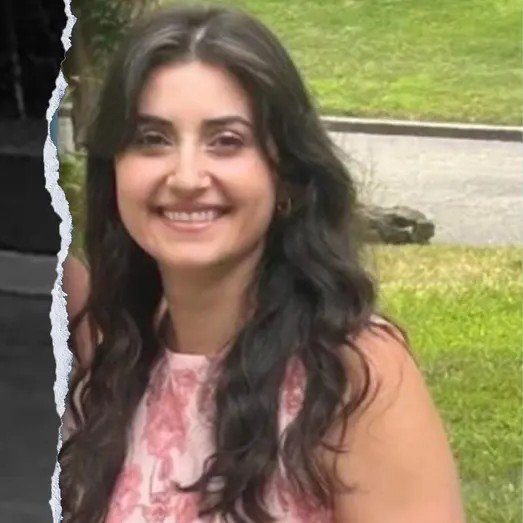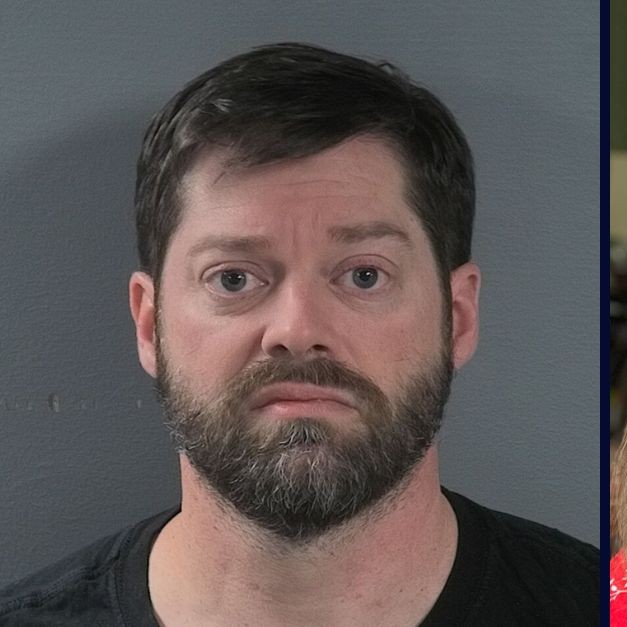


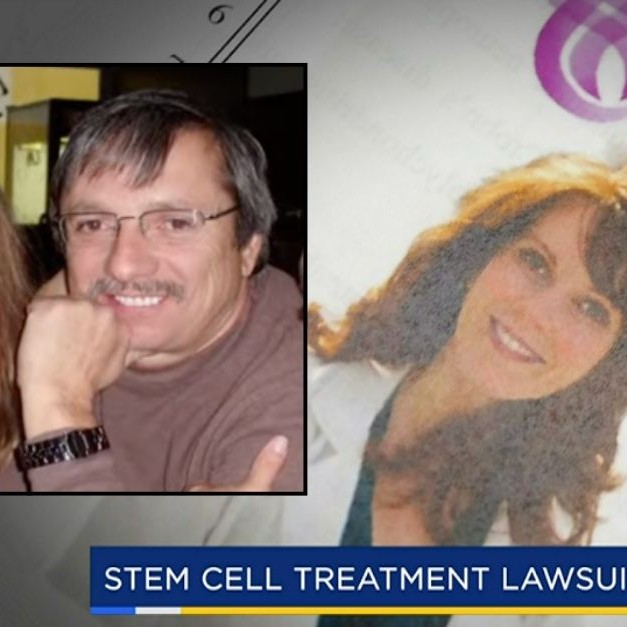
A Washington state jury’s $24 million verdict against a closed Seattle stem cell clinic answered one question about responsibility for an ALS patient’s death, but it left others unresolved, including how far courts and regulators can go in policing unproven medical treatments.
TLDR
A Washington jury awarded $24 million to Michael Trujillo’s family after finding a Seattle stem cell clinic negligent in his ALS care, while the clinic’s owner disputes the verdict and plans an appeal amid separate state consumer-protection sanctions.
Michael Trujillo, a Colorado electrician diagnosed with amyotrophic lateral sclerosis in 2017, traveled to the Seattle Stem Cell Center for what he and his family believed would be a cutting-edge treatment. He died in 2019 after a spinal injection that a King County jury later found was negligently performed.
Jury Faults Seattle Clinic Over ALS Treatment
According to Law & Crime, Trujillo’s widow and children sued the Seattle Stem Cell Center and its owner, Dr. Tami Meraglia, alleging that online marketing misrepresented the clinic’s ability to treat ALS and that staff failed to account for his use of blood thinners. In a special verdict form posted on DocumentCloud, jurors unanimously found the clinic negligent and concluded that its conduct was a proximate cause of Trujillo’s death.
Evidence described in court records indicated that clinicians performed a spinal injection without fluoroscopic imaging while Trujillo was taking Coumadin, a blood-thinning medication, leading to bleeding around the spinal cord and fatal brain herniation the following day. Attorney Dylan Cohon, who represented the family, said the civil award was about more than money, stating, “This verdict is about justice, compensation, and accountability.”
Conflicting Accounts of Fatal Procedure
Trial testimony, as reported by Law & Crime, portrayed a family persuaded by online promises that stem cells could help ALS despite the ALS Association’s position that there are no FDA-approved stem cell treatments for the disease. Trujillo first visited the clinic for consultation and treatment in early 2019, then returned later that year for a second procedure that was followed by catastrophic bleeding and pressure shifts in his spine and brain.
Meraglia told KIRO radio that the original plan was to infuse stem cells through an IV, and that another physician altered the approach and performed an epidural injection while Trujillo was on a blood thinner and had high blood pressure. She has said she will challenge the verdict, arguing that jurors did not hear all of the evidence and adding, “We believe there are significant issues for appellate review, and we intend to pursue an appeal promptly.”
Regulators Challenge Stem Cell Marketing
The civil verdict followed a separate Consumer Protection Act lawsuit filed in 2022 by the Washington Attorney General’s Office against Meraglia and the clinic, which has since closed. According to that complaint, the business marketed unproven stem cell procedures for serious neurological conditions and could not provide scientific evidence that the treatments were effective, leading to an $800,000 judgment and permanent marketing restrictions.
Together, the jury verdict and the attorney general’s case place the Seattle operation at the center of an ongoing debate over how aggressively authorities should respond when clinics market experimental procedures to patients with progressive and incurable illnesses. Appeals in the Trujillo case could test those boundaries further, while families confronting dire diagnoses must continue to weigh unproven options against the risks that court records in Washington have now laid bare.