TLDR
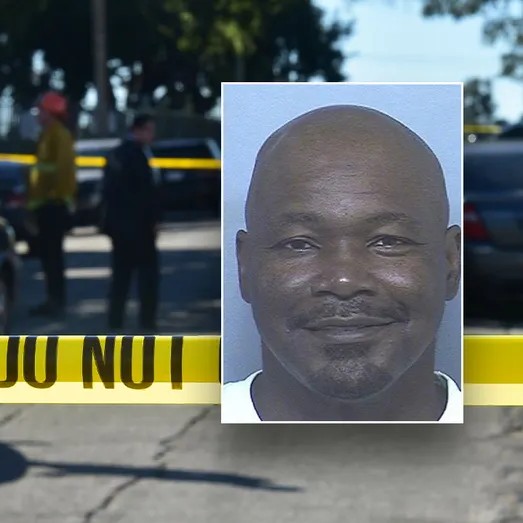
Darryl Lamar Collins, previously convicted of two 1995 murders, was sentenced to life in prison for killing his girlfriend in 2021, less than a year after release under California’s expanded youthful offender parole law, intensifying scrutiny of the state’s parole decisions.
When Los Angeles prosecutors returned to court to sentence 55-year-old Darryl Lamar Collins, they were confronting a case that spanned three killings, two decades of incarceration, and a recent shift in California parole policy.
According to reporting by Fox News Digital, Collins received a life sentence for the murder of his girlfriend, 53-year-old Fatima Johnson, a mother of six, whose body was discovered in her Los Angeles apartment on July 4th, 2021, less than a year after his release from prison.
From Double Murder Conviction to Parole
Collins’ path back into the community began with two killings in 1995. Prosecutors said that on September 17th, 1995, he carjacked 28-year-old Derrick Reese at a payphone, then backed up the vehicle and shot Reese at least twice, killing him. Eleven days later, Collins attempted to rob a diner and fatally shot cashier Thomas Weiss, 44, in the face.
In January 1998, a judge sentenced Collins to two consecutive terms of 25 years to life in prison, for an effective sentence of 50 years to life. As Fox News Digital reported, Collins was released after serving 25 years under a youthful offender parole provision that allowed the parole board to consider his age at the time of the 1995 murders.
Youthful Offender Law Under Renewed Scrutiny
The youthful offender framework, expanded by California lawmakers in 2017, raised the age cutoff for special parole consideration from 23 to 25. At the time of the 1995 murders, Collins was 24, which made him eligible for the reconsideration that ultimately led to his release.
Los Angeles County District Attorney Nathan Hochman has framed Collins’ case as a direct consequence of that policy change. In a statement referenced by Fox News Digital, Hochman said, “Darryl Collins took three innocent lives. Today’s sentence isn’t just about punishment. It’s also about protection from this sociopath to ensure he will never walk free again.”
Parole Board Decisions Face Political Pressure
Scrutiny has extended beyond one case. The California Parole Board has also faced criticism for finding two convicted serial child rapists, David Funston and Gregory Vogelsang, suitable for early release, decisions that have drawn attention from state and federal officials, according to the same reporting.
Representative Kevin Kiley, a California Republican, has cited Collins’ record in calls for a wider review of early release laws and parole board practices. He wrote that “California’s reckless laws and runaway Parole Board are getting our citizens killed,” framing Collins’ release and subsequent murder as part of a broader institutional failure rather than an isolated mistake.
Johnson’s killing, which prosecutors described as involving binding, gagging, and theft of her phone, jewelry, and Lexus, now stands as the final crime in a record that began three decades earlier. With Collins again ordered to spend the rest of his life in prison, the unresolved question is how California will adjust parole policy, if at all, in response to a case where legal reform, public safety, and rehabilitation ideals collided.
References