
Case overview
On December 30, 2000, four members of the Miyazawa family were killed in their Tokyo home in what became one of Japan’s most scrutinized unsolved murders. The case generated national attention due to the brutality of the attack, the amount of forensic evidence recovered, and the fact that the killer remained inside the house for hours after the murders. More than two decades later, investigators have DNA, fingerprints, and trace materials, but no suspect has been charged.
The victims and the scene
Mikio Miyazawa, 44, worked at a British consulting firm. His wife, Yasuko, 41, worked part-time at a cram school. Their children, Niina, 8, and Rei, 6, attended local schools in the Setagaya ward of Tokyo. The family lived in a two-story house in a quiet residential area near Kinuta Park. Their neighborhood was scheduled for redevelopment, and many surrounding homes had been vacated.
On the evening of December 30, the family attended a year-end gathering with Yasuko’s relatives. They returned home around 10:00 PM. Investigators believe the attack began shortly before midnight. Mikio was found on the second floor in Niina’s room. Yasuko and Niina were discovered in the loft space above. Rei’s body was found in a separate second-floor bedroom. All four victims died from stab wounds.
Yasuko’s mother, who lived nearby, discovered the bodies around 10:50 AM on December 31 after the family did not answer phone calls. She entered the house using a spare key and contacted police.
The timeline and the intruder’s behavior
Forensic analysis indicated the killer remained inside the Miyazawa home for several hours after the murders. Blood evidence and other materials showed the intruder moved freely throughout the house, ate food from the refrigerator, used the family’s computer, and slept on a couch. Tokyo Metropolitan Police estimated the intruder stayed in the house until late morning on December 31, possibly leaving shortly before Yasuko’s mother arrived.
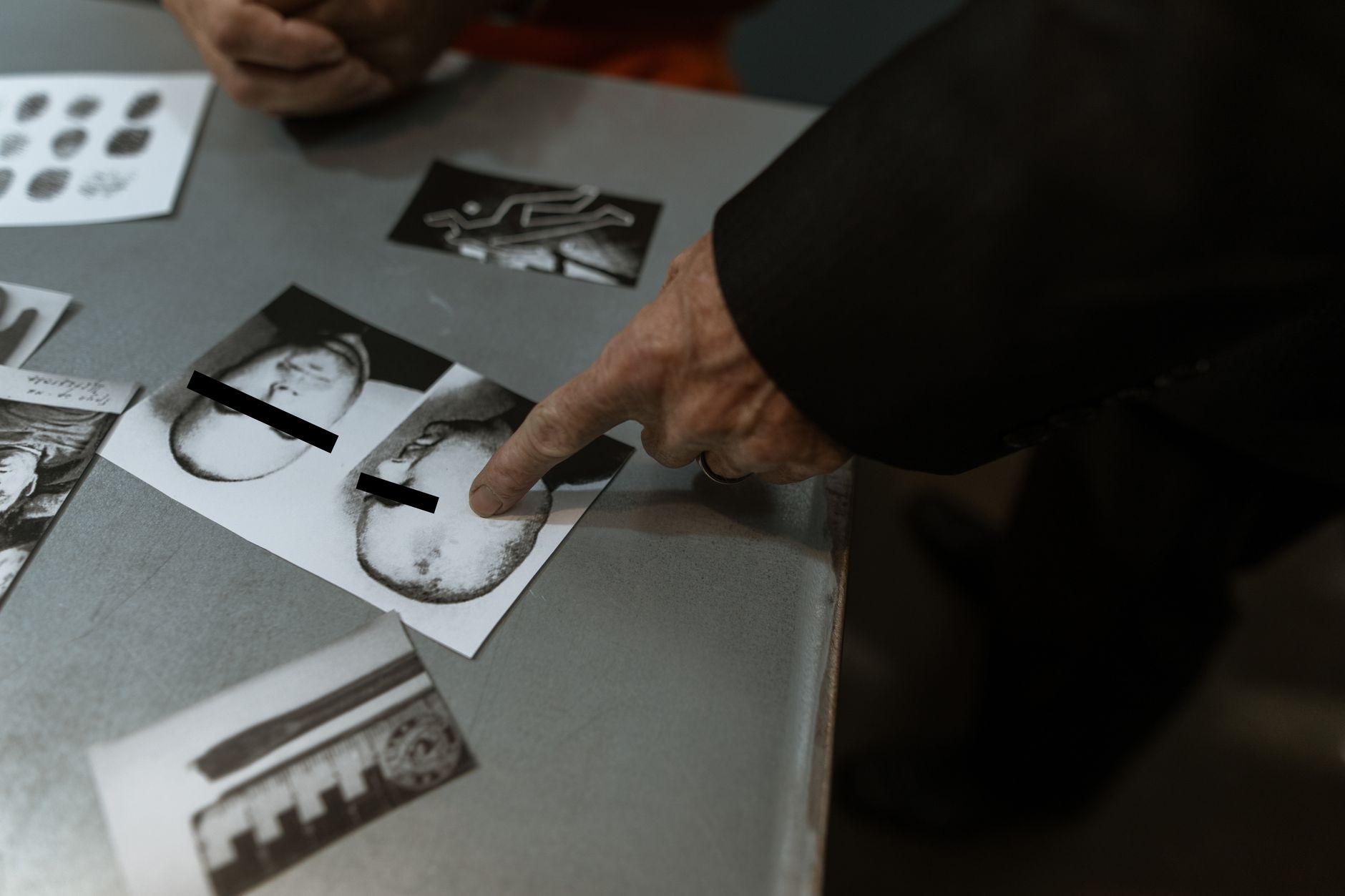
Investigators recovered a significant quantity of trace evidence, including blood, saliva, and fecal matter. The intruder’s DNA was extracted from multiple locations. Fingerprints and handprints, some left in blood, were documented. Clothing was left behind, including a jacket, a shirt, shoes, and a hip bag. Some items were traced to brands sold in limited markets, including South Korea and parts of California.
The killer used a kitchen knife belonging to the Miyazawa family during the attack. The weapon was recovered at the scene. Investigators also determined that the intruder suffered injuries during the struggle with Mikio, who had experience in martial arts. Blood matching the unknown suspect’s DNA was found mixed with the victims’ blood.
Forensic profile and international investigation
DNA analysis revealed that the suspect’s genetic markers suggested mixed ancestry, possibly including European and East Asian heritage. Japanese authorities worked with international law enforcement agencies, including Interpol, to search DNA databases in other countries. No matches were found.
The clothing left at the scene became a focal point. The jacket was identified as a type sold by the U.S. Air Force on its bases in Japan and abroad. The shoes were a Korean brand not widely available in Japan at the time. Sand found in the hip bag was analyzed and determined to contain minerals consistent with the southwestern United States or parts of East Asia. These findings led investigators to consider the possibility that the suspect had spent time outside Japan or had connections to U.S. military installations.
The intruder accessed websites related to theater performances and other cultural events in Tokyo. The browsing history did not reveal clear identifying information, but it suggested the individual had some level of familiarity with the city.
Motive and unresolved questions
No clear motive has been established. The house was not ransacked, and no significant valuables were taken. Some cash was left untouched. The killer’s decision to stay in the house for an extended period did not align with typical burglary or robbery behavior. The attack appeared targeted, but no known conflicts, debts, or threats involving the Miyazawa family were identified.
One theory centered on the possibility that the intruder entered through a window or door connected to the family’s small yard, which backed onto a park and a vacant lot. The area was not well-lit, and access was relatively easy. Some investigators believed the killer may have been familiar with the neighborhood’s layout, possibly someone who had observed the family’s routines.
Another theory suggested the killer may have harbored a personal grievance, though no documentation of such a relationship emerged. The lack of forced entry into certain parts of the home led some to speculate about whether the intruder had been invited inside, but this theory was not supported by other evidence.
The extended time spent in the house after the murders remained the investigation’s most debated detail. Some experts interpreted the behavior as indicative of a disorganized or impulsive personality. Others saw it as evidence of someone familiar with the family’s schedule and confident they would not be discovered.
Public response and investigative focus
The Miyazawa family murders became a defining case in Japan’s modern criminal history. The volume of physical evidence stood in stark contrast to the absence of an identified suspect. Public interest remained high, and the case was regularly featured in Japanese media on anniversaries and during major investigative updates.
Tokyo Metropolitan Police assembled a large task force dedicated to the case. Over the years, more than 280,000 investigators were assigned to various aspects of the inquiry. Officers conducted extensive canvassing, interviewed thousands of individuals, and followed up on tips from across Japan and abroad. Despite these efforts, no arrest was made.
In 2017, Tokyo police publicly released detailed information about the suspect’s DNA profile and other forensic findings, hoping renewed attention would generate new leads. Authorities also appealed to individuals who may have noticed someone with injuries consistent with those the suspect likely sustained during the attack. The appeal did not result in a breakthrough.
The case prompted discussions in Japan about forensic capabilities and international cooperation in criminal investigations. The fact that such a large volume of physical evidence did not lead to an arrest raised questions about the limitations of DNA databases and cross-border investigative coordination.
Ongoing efforts
As of 2025, the Miyazawa family murders remain unsolved. Tokyo Metropolitan Police continue to maintain an active investigation. Advances in forensic technology, including genetic genealogy methods used successfully in other countries, have been discussed as potential avenues for progress. Japanese legal and privacy frameworks have historically limited the use of some genealogical databases, but authorities have indicated openness to exploring new methods.
The case files remain open, and investigators continue to receive and assess tips. Yasuko’s mother, who discovered the bodies, has spoken publicly about the family and the investigation on several occasions, advocating for continued attention to the case. The Setagaya ward has installed a memorial near the site where the Miyazawa home once stood, which was demolished years after the murders.
Where to look next
- Documentary: “The Setagaya Murders” (NHK World)
- Book: “People Who Eat Darkness: The True Story of a Young Woman Who Vanished from the Streets of Tokyo—and the Evil That Swallowed Her Up” by Richard Lloyd Parry
- Podcast: “The Setagaya Family Murders” (“They Walk Among Us”, They Walk Among Us)