


Case overview
On October 1, 2017, a gunman opened fire from the 32nd floor of the Mandalay Bay Resort and Casino into a crowd attending the Route 91 Harvest music festival, killing 58 people and wounding more than 850 in the deadliest mass shooting in modern US history. The shooter, 64-year-old Stephen Paddock, died by suicide in his hotel room before police breached the door. Despite an extensive investigation, law enforcement never established a clear motive.
The timeline of the attack
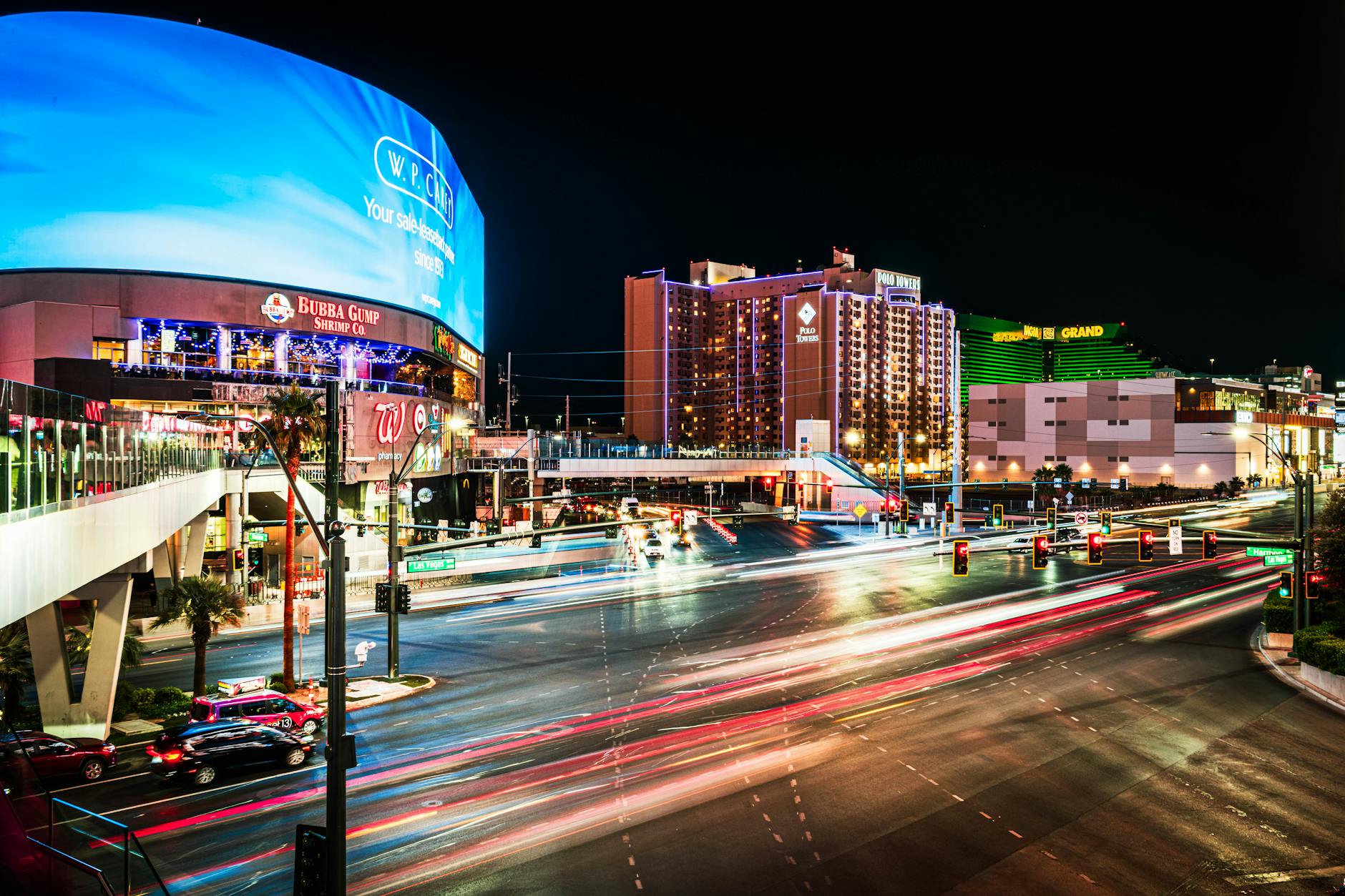
The Route 91 Harvest festival was a three-day country music event held on the Las Vegas Strip. On the final night, more than 22,000 attendees gathered in an open-air venue near the intersection of Las Vegas Boulevard and Russell Road. Headliner Jason Aldean took the stage shortly after 9:00 p.m.
At approximately 10:05 p.m., gunfire erupted from the Mandalay Bay hotel tower. The first burst lasted roughly 10 seconds. Many in the crowd initially mistook the sound for fireworks or malfunctioning audio equipment. When the firing resumed moments later, people began running for cover or lying flat on the ground.
Over the next 10 minutes, the gunman fired more than 1,000 rounds in rapid succession. Concertgoers scrambled toward exits, many dragging or carrying wounded victims. Off-duty medical personnel, firefighters, and bystanders began administering first aid on-site. Nearby hotels and casinos went into lockdown.
Las Vegas Metropolitan Police officers arrived at the festival grounds within minutes. Dispatch audio and body camera footage later released showed officers moving through panicked crowds and coordinating triage. At the same time, a separate team began ascending the Mandalay Bay to locate the shooter.
Law enforcement response and breach
Officers identified the gunfire as originating from the 32nd floor by 10:12 p.m. A security guard, Jesus Campos, had been shot in the leg while investigating an open door alarm on the same floor minutes earlier. His radio call helped narrow the location.
A SWAT team reached the 32nd floor hallway and staged outside Paddock’s suite. At 11:20 p.m., more than an hour after the shooting stopped, officers used explosives to breach the door. They found Paddock dead from a self-inflicted gunshot wound. The suite contained 23 firearms, thousands of rounds of ammunition, and spent shell casings covering the floor.
Inside the room, investigators found cameras Paddock had set up in the hallway and on a service cart, apparently to monitor police approach. A note on a nightstand contained handwritten calculations related to distance and bullet trajectory, but no manifesto or explanation.
Victim toll and immediate aftermath
Fifty-eight people died as a result of the shooting, most from gunshot wounds sustained at the festival grounds. Two others died in the following days from their injuries. The wounded exceeded 850, with injuries ranging from gunshot wounds to fractures and trauma sustained while fleeing.
Sunrise Hospital and Medical Center, the closest Level 1 trauma facility, received more than 200 patients within the first hours. Other area hospitals activated mass casualty protocols. Survivors described makeshift triage areas set up in casino floors, parking lots, and hotel lobbies.
The FBI and the Bureau of Alcohol, Tobacco, Firearms and Explosives joined the investigation within hours. The crime scene spanned multiple city blocks and included the festival grounds, Mandalay Bay, and Paddock’s vehicles in the hotel parking garage.
The shooter’s background and planning
Stephen Paddock was a retired accountant and real estate investor who lived in Mesquite, Nevada. He had no criminal record and no known history of violence. Family members and acquaintances later told investigators he showed no outward signs of planning an attack.
Paddock checked into the Mandalay Bay suite on September 28, three days before the shooting. Investigators determined he brought the firearms into the room over multiple trips using luggage and bags. He had reserved the suite months in advance, requesting a room with a view of the festival grounds.
Forensic analysis of Paddock’s electronic devices revealed he had researched other potential targets, including open-air venues in Chicago and Boston. He also searched for information on SWAT tactics and police response times. Investigators found no evidence of radicalization, no ties to extremist groups, and no communications suggesting coordination with others.
In the weeks before the attack, Paddock purchased firearms and ammunition from multiple retailers in Nevada, Utah, and Texas. He legally owned the weapons, passing required background checks. Some of the rifles had been modified with bump stocks, devices that allow semi-automatic rifles to fire at a rate approaching automatic weapons.
The investigation and findings
The FBI and Las Vegas Metropolitan Police released a preliminary investigative report in January 2018 and a final report in August 2018. The final report totaled more than 1,000 pages and summarized hundreds of interviews, forensic examinations, and digital evidence reviews.
Investigators concluded Paddock acted alone. They found no evidence of conspiracy, no accomplices, and no indication that anyone else knew of his plans in advance. His girlfriend, who was out of the country at the time of the shooting, cooperated with investigators and was not charged.
The investigation examined Paddock’s finances, gambling habits, and medical history. He had gambled heavily in the years before the attack, sometimes losing tens of thousands of dollars in a single trip to a casino. Autopsy results showed no evidence of drugs or alcohol in his system, and no neurological abnormalities were detected beyond minor changes consistent with his age.
Despite the exhaustive investigation, the FBI concluded it could not definitively determine Paddock’s motive. The final report stated that Paddock may have been seeking notoriety, but offered no concrete evidence to support that theory or any other.
Disputed details and public scrutiny
The timeline of the security guard’s radio call became a point of public confusion and scrutiny. Initial reports suggested Jesus Campos called for help after the shooting into the crowd had already stopped. Revised timelines indicated he was shot and called in before the attack on the festival began. The discrepancy fueled criticism of the police response and questions about whether the massacre could have been interrupted earlier.
Law enforcement officials attributed the confusion to the chaotic nature of the incident and the volume of radio traffic. The final report clarified that Campos radioed for help at approximately 10:05 p.m., around the same time the first shots were fired into the crowd.
The use of bump stocks drew national attention. In the months following the shooting, federal authorities moved to reclassify bump stocks as machine guns, effectively banning their sale and possession. The rule went into effect in March 2019.
Litigation and accountability questions
In the years following the attack, survivors and victims’ families filed dozens of lawsuits against MGM Resorts International, which owns the Mandalay Bay, and other entities. Plaintiffs alleged negligence in hotel security and failure to detect or prevent Paddock from bringing an arsenal into the building.
In 2020, MGM reached an $800 million settlement with more than 4,400 victims and family members. The settlement avoided a lengthy trial but did not include any admission of liability. It remains one of the largest settlements in a mass shooting case.
The FBI closed its investigation in 2019, reaffirming that Paddock acted alone and that no motive could be conclusively determined. The absence of a clear explanation has left survivors, families, and the public grappling with unanswered questions about why the attack occurred.
Where to look next
- Documentary: “A Thousand Cuts” (Investigation Discovery)
- Documentary: “11 Minutes” (Paramount+)
- Book: “Tragedy in Paradise: The Story of the Las Vegas Mass Shooting” by Larry Henry