Case overview
Zoe Campos was found dead under circumstances that turned an apparent disappearance into a homicide investigation. The hours before her death became the focus of detectives working to identify her movements, her contacts, and the last verified sighting. What began as a missing-person case shifted once investigators determined she had been killed.
The last confirmed sighting
Campos was last seen alive in the late evening, according to witness statements provided to law enforcement. Investigators worked to establish a timeline using surveillance footage, cell phone records, and interviews with individuals who had contact with her in the days leading up to her disappearance. The window between her last known activity and the discovery of her body became the center of the investigative effort.
Detectives focused on verifying who she spoke with, where she went, and whether anyone had reason to believe she was in danger. The timeline was built through digital records and physical evidence collected at multiple locations tied to her routine.
The discovery and initial response
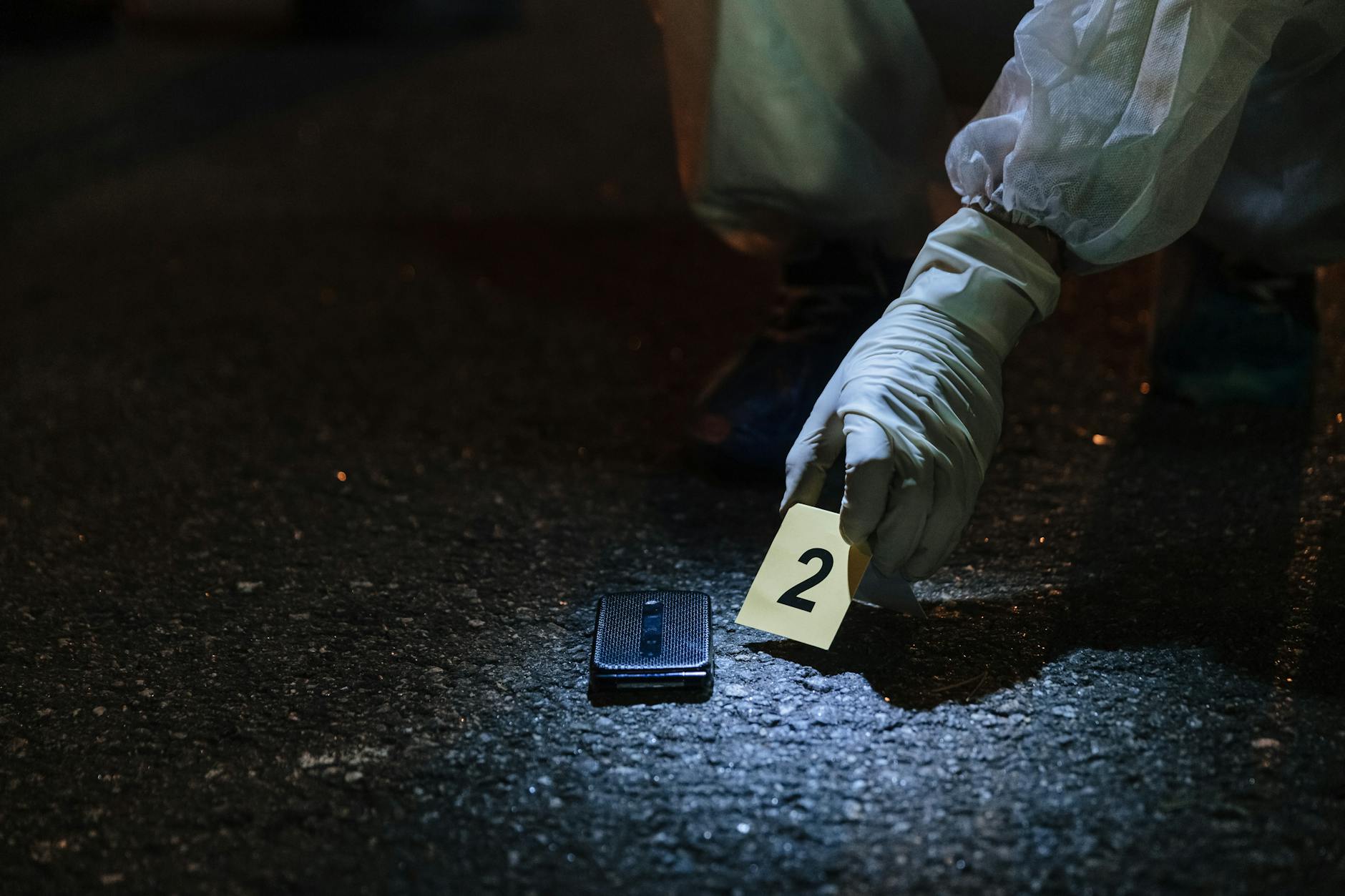
Campos’s body was discovered by authorities after family members reported her missing. The location where she was found became a primary scene for forensic examination. Investigators collected physical evidence, documented the surrounding area, and began working to determine how long she had been there.
The medical examiner’s findings classified the death as a homicide. Cause of death and additional forensic details were not immediately released to the public, a standard procedure in active investigations where withholding certain information can aid in suspect interviews and verification of witness statements.
Investigative focus and persons of interest
Law enforcement identified multiple individuals who had recent contact with Campos. Detectives conducted interviews with friends, acquaintances, and anyone who appeared in her recent communications. The investigation examined her personal relationships, work contacts, and any signs of conflict or unusual behavior in the days before her death.
Investigators reviewed text messages, social media activity, and financial transactions to identify patterns or points of concern. They also examined whether Campos had expressed fear, reported threats, or mentioned anyone she believed posed a risk. This phase required cross-referencing multiple accounts and establishing whether statements aligned with physical evidence.
Forensic analysis and the search for evidence
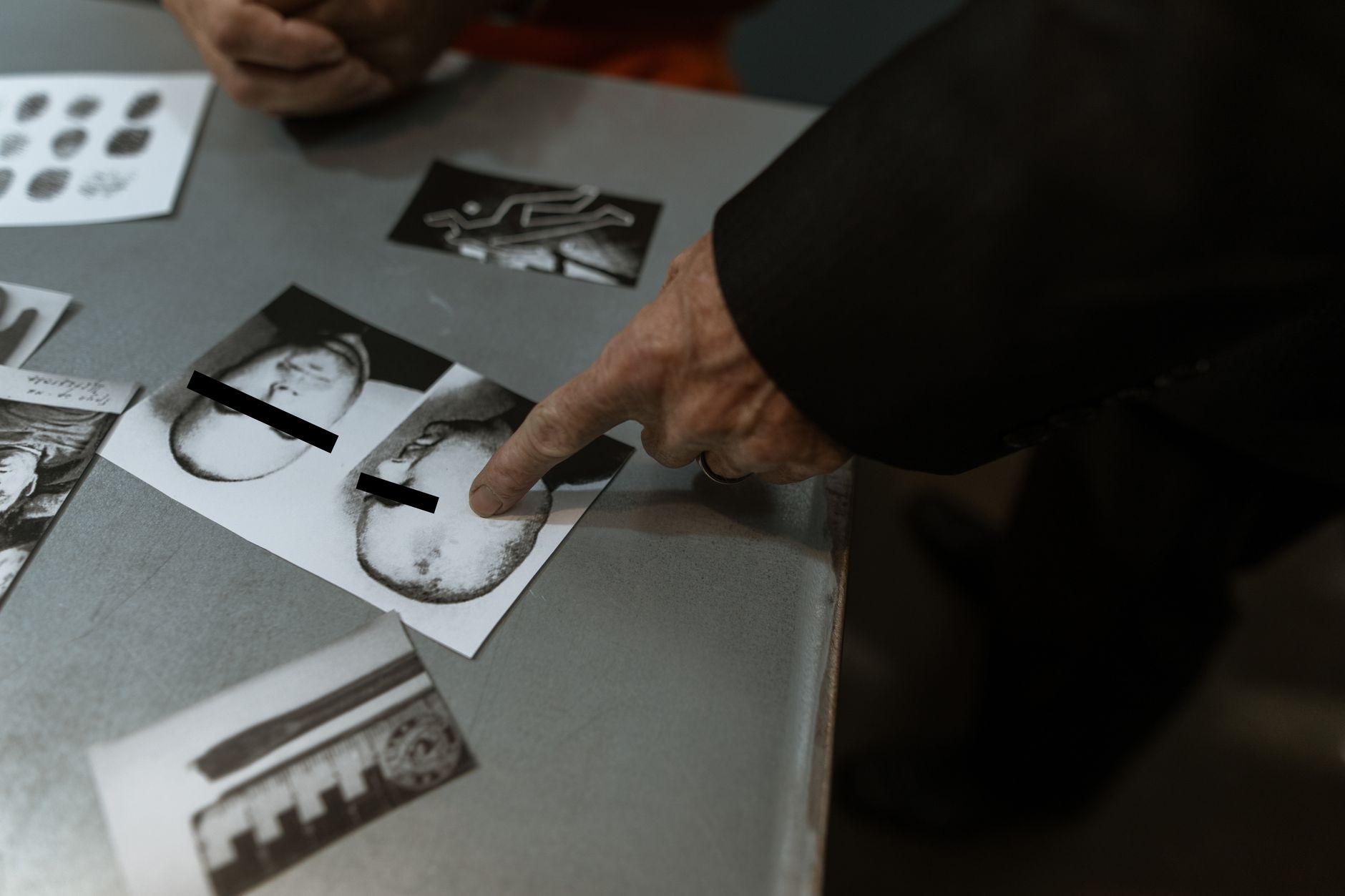
The forensic examination included analysis of DNA, fingerprints, and trace evidence recovered from the scene and from Campos’s personal belongings. Investigators also processed her vehicle, her residence, and any locations she visited in the final days of her life. Each site was examined for signs of struggle, forced entry, or the presence of another individual.
Digital forensics played a role in mapping her final movements. Cell tower data helped establish her location at specific times, and investigators sought to determine whether anyone else’s phone was in proximity during key periods. This type of analysis can corroborate or contradict alibis provided during interviews.
Suspect scrutiny and investigative developments
Detectives focused on individuals whose accounts did not align with other evidence or who had inconsistencies in their statements. Suspect interviews were conducted multiple times as new information surfaced. Investigators looked for behavioral indicators, changes in routine, or attempts to distance oneself from the victim after her death.
The process of narrowing suspects involved building a profile of opportunity, motive, and access. Detectives examined who had the means to commit the crime, who had recent conflict with Campos, and who could not provide a verifiable alibi for the timeframe in question. This investigative phase is often where cases either gain momentum toward an arrest or stall due to lack of physical evidence tying a suspect to the crime.
The question that remains central
The core unresolved element in the case centers on what occurred during the final hours before Campos’s death. Despite the reconstruction of her timeline and the identification of persons of interest, a clear narrative of those hours has remained difficult to establish with certainty. Conflicting accounts, gaps in surveillance, and the absence of witnesses to the actual crime have made the final sequence of events a matter of interpretation and investigation.
This gap is not uncommon in homicide cases where the victim was alone or in a private setting during the critical period. The challenge for investigators is to build a case strong enough to proceed without direct observation of the crime itself. That often requires a combination of circumstantial evidence, forensic results, and testimony that, when taken together, supports a conclusion beyond reasonable doubt.
Ongoing investigation and case status
The investigation into the murder of Zoe Campos remains active. Law enforcement has not publicly identified an arrest or named a suspect in charging documents. Detectives continue to follow leads, re-interview witnesses, and analyze evidence as new information becomes available. The case is treated as open and under active review.
Families of homicide victims often face prolonged uncertainty when investigations extend over months or years. The absence of an arrest does not indicate a lack of progress, but it does reflect the complexity of building a prosecutable case. Investigators must ensure that evidence is sufficient, testimony is reliable, and legal standards are met before moving forward with charges.
Where to look next
- Documentary: “The Murder Tapes” (Investigation Discovery)
- Book: “The Skeleton Crew” by Deborah Halber
- Podcast: “Crime Junkie” (Audiochuck)