


Case overview
Michele Avila, 17, was found dead in October 1985 in the Angeles National Forest after being reported missing by two friends who later became the primary suspects. Karen Severson and Laura Doyle were convicted of second-degree murder in 1990 after investigators determined the drowning was staged and the victim had been held underwater. The case turned on contradictions in the suspects’ statements, physical evidence at the scene, and witness accounts that placed all three together on the day Avila disappeared.
The last confirmed movements
On October 1, 1985, Michele Avila left her Arleta home with Karen Severson and Laura Doyle, both longtime friends. The three drove to a remote area near Big Tujunga Canyon Road in the Angeles National Forest. Severson and Doyle told investigators they had gone swimming and that Avila wandered off. They reported her missing that evening.
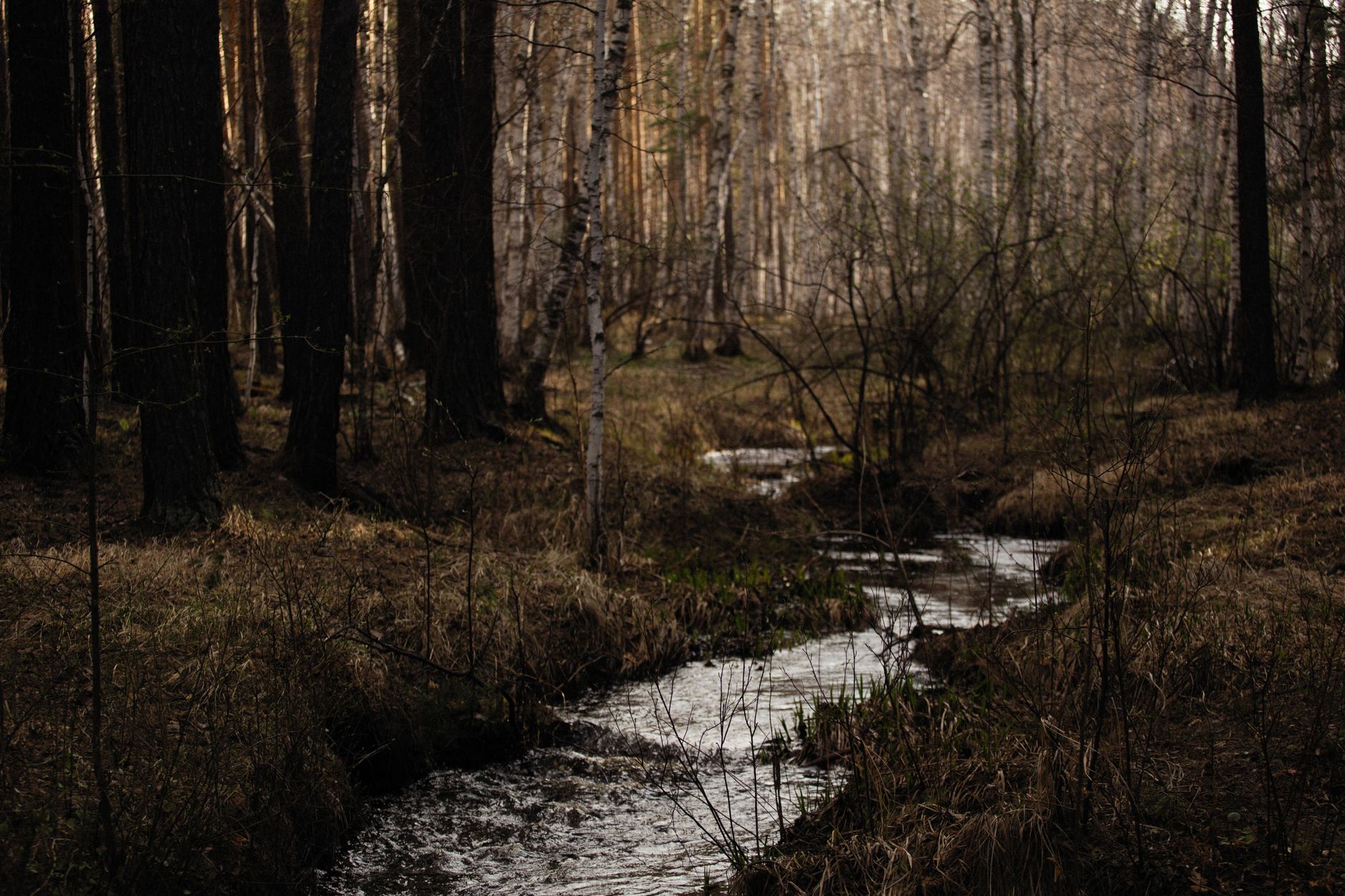
Three days later, Avila’s body was recovered from a shallow creek. She was fully clothed. A large log had been placed across her back. Investigators noted bruising and signs of a struggle inconsistent with accidental drowning.
What the investigation found
Detectives with the Los Angeles County Sheriff’s Department focused immediately on the timeline provided by Severson and Doyle. Both women gave detailed accounts of the outing but offered conflicting explanations for why they left the forest without Avila and why they waited hours before reporting her missing.
Forensic analysis determined that Avila had been forcibly held underwater. Bruising on her arms and torso suggested restraint. The log placed on her back appeared deliberately positioned. No evidence supported the claim that she had wandered off or drowned accidentally.
Witnesses who knew all three women described escalating tension in the months before Avila’s death. Several reported that Severson had expressed jealousy over Avila’s relationships and friendships. Investigators documented arguments and confrontations between Avila and Severson in the weeks leading up to the killing.
The turning point in the case
For nearly five years, the case remained open with no arrests. Both Severson and Doyle maintained their account of the day and denied involvement. Then, in 1990, new witness statements emerged. Friends and acquaintances came forward describing admissions and inconsistencies they had initially withheld.
One witness told detectives that Severson had discussed wanting to hurt Avila. Another reported overhearing a conversation in which Doyle acknowledged being present when Avila was killed. The statements, combined with the physical evidence from the scene, provided enough probable cause for arrests.
Severson and Doyle were charged with first-degree murder. Both pleaded not guilty.
The trial and convictions
Prosecutors argued that Severson and Doyle lured Avila to the forest with the intent to kill her. The motive centered on jealousy and ongoing conflict. The defense maintained that the evidence was circumstantial and that the witnesses were unreliable.
The jury heard testimony about the physical evidence at the scene, the timeline inconsistencies, and the statements made by both defendants in the years following the death. Forensic experts testified that the injuries and positioning of the body were inconsistent with accidental drowning.
In 1990, both women were convicted of second-degree murder. Severson was sentenced to 15 years to life. Doyle received the same sentence. Both were denied parole multiple times before eventual release.
What remains disputed
The question of whether a third person participated in the killing has never been resolved. Some witnesses suggested that another individual was present in the forest that day. No charges were ever filed against anyone else. Investigators have not publicly confirmed whether additional suspects were considered or ruled out.
Severson was released on parole in 2011 after serving 21 years. Doyle was paroled in 2023. Both releases prompted public backlash and statements from Avila’s family, who argued that the sentences were too lenient given the nature of the crime.
Severson later published a memoir describing her version of events, which drew further criticism. Avila’s family filed a civil claim under California’s Son of Sam law, which prohibits convicted criminals from profiting from their crimes. The proceeds were redirected to the family.
Where to look next
- Documentary: “Pretty Evil” (Investigation Discovery)
- Documentary: “Killer Women with Piers Morgan” (ITV)
- Book: “My Life, I Lived It” by Karen Severson