Case overview
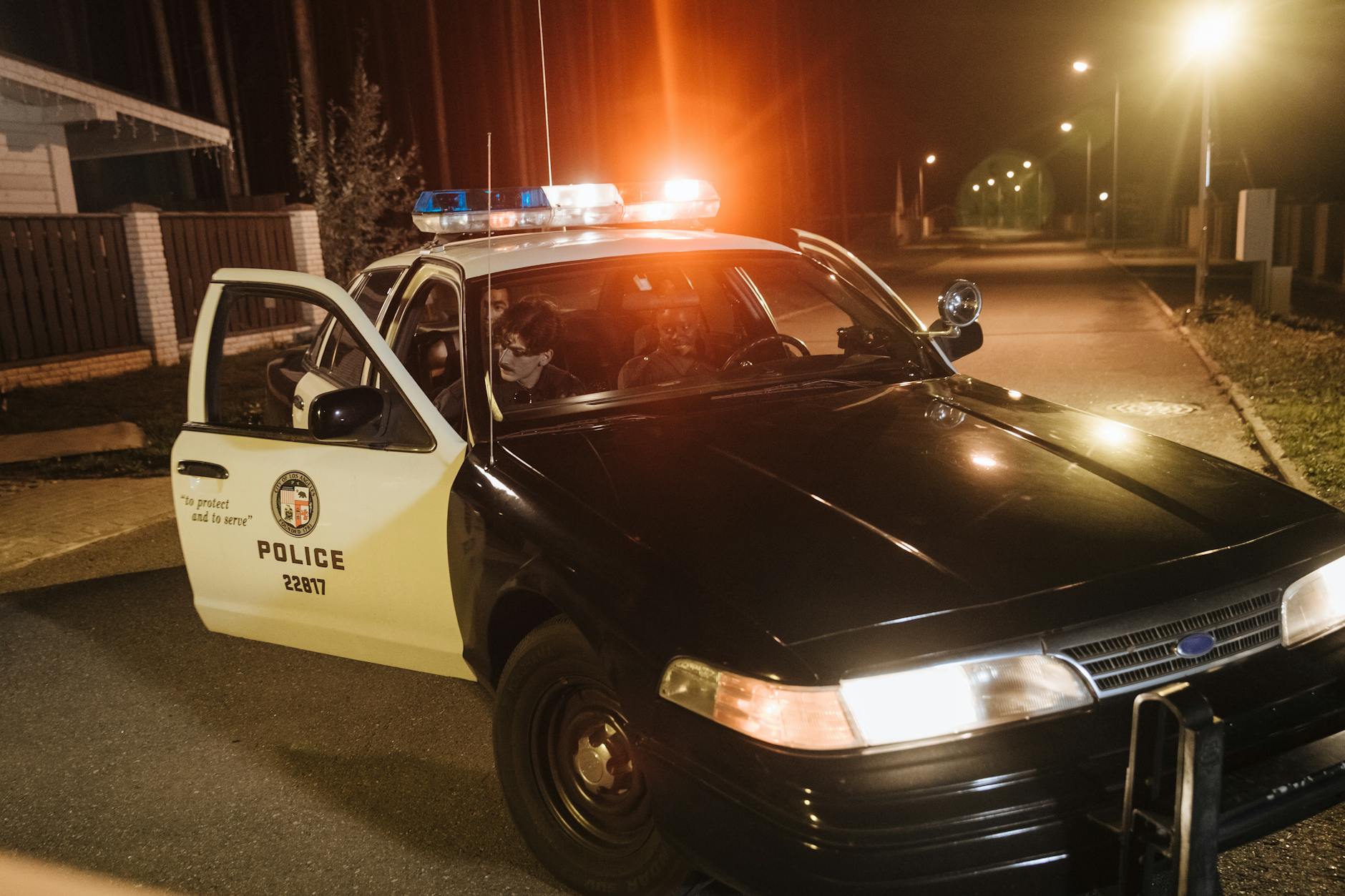
On April 22, 1974, five people were bound, tortured, and forced to drink drain cleaner in the basement of a Hi-Fi shop in Ogden, Utah. Three died. Two Air Force airmen were convicted of aggravated murder, but questions about the full scope of involvement and whether others participated have shadowed the case for decades.
What happened at the Hi-Fi shop
Stanley Walker, 20, was working the evening shift at the Hi-Fi Shop, an audio equipment store on Washington Boulevard in Ogden. Shortly before closing, two men entered the store. They were later identified as Dale Pierre, 19, and William Andrews, 21, both airmen stationed at Hill Air Force Base.
The men forced Walker into the basement at gunpoint. Over the next several hours, four more people entered the store and were taken downstairs: Michelle Ansley, 18, Carol Naisbitt, 52, her son Cortney Naisbitt, 16, and Orren Walker, 43, Stanley’s father, who arrived to pick him up after work.
Pierre and Andrews bound the victims with speaker wire and electrical cord. They forced each person to drink liquid drain cleaner containing sodium hydroxide, a caustic substance that caused severe internal burns. When the victims did not die immediately, Pierre shot each of them in the head. One victim was also kicked in the throat with enough force to crush the windpipe.
Cortney Naisbitt, Stanley Walker, and Carol Naisbitt died. Michelle Ansley and Orren Walker survived with life-altering injuries.
The immediate investigation
Orren Walker, despite being shot in the head, provided investigators with descriptions of the attackers. He described Pierre as Black, thin, and soft-spoken. He described Andrews as taller and quieter. Walker recalled details about the methods used, the order of events, and statements made by the assailants during the attack.
Michelle Ansley, who had been forced to drink the drain cleaner and was sexually assaulted, survived and corroborated Walker’s account. Both survivors identified Pierre and Andrews in photo lineups.
Detectives focused on Hill Air Force Base personnel after learning that the suspects had military-style discipline and access to weapons. Within days, Pierre and Andrews were identified through records and witness interviews. A search of their barracks uncovered a Hi-Fi shop sales receipt, stereo equipment matching stolen items, and other evidence linking them to the crime scene.
Arrest and charges
Dale Pierre and William Andrews were arrested on April 24, 1974, two days after the murders. Both were charged with three counts of first-degree murder, two counts of aggravated robbery, and two counts of forcible sexual abuse.
A third suspect, Keith Roberts, was also arrested. Roberts, an airman who knew Pierre and Andrews, was alleged to have acted as a lookout and driver. Prosecutors said he waited outside the store during the attack and helped transport stolen equipment afterward. Roberts denied direct involvement in the murders but was charged as an accomplice.
Pierre and Andrews maintained their innocence. Pierre later claimed that another person had been present and responsible for some of the violence, though he did not provide a verifiable name or consistent account. Andrews said he was in the store but did not participate in the killings.
Trial and conviction
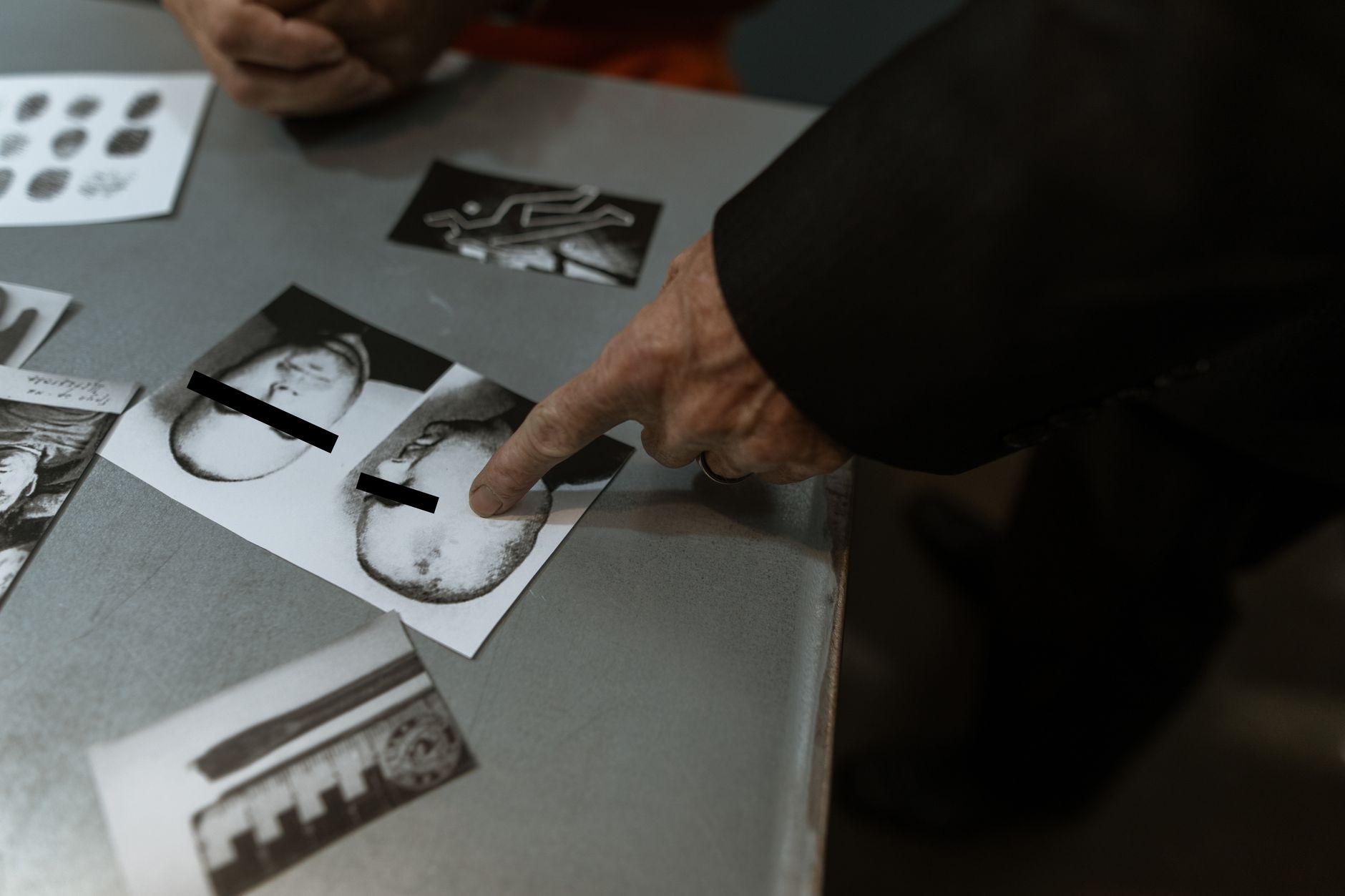
Pierre and Andrews were tried separately. Pierre’s trial began in October 1974. Orren Walker and Michelle Ansley testified in detail about the events in the basement. Forensic evidence, including fingerprints, the drain cleaner bottle, and ballistics, supported the state’s case. Pierre was convicted on all counts and sentenced to death.
Andrews was convicted in a separate trial in 1975 and also sentenced to death. His defense argued that he had been present but was not the shooter and had not administered the drain cleaner. The jury rejected the argument.
Keith Roberts was convicted of robbery and sentenced to a term of five years to life. He was paroled in 1987.
Execution and appeals
Dale Pierre was executed by lethal injection on August 28, 1987, at Utah State Prison. He declined to make a final statement. His appeals focused on claims of ineffective counsel, but courts upheld the conviction and sentence.
William Andrews exhausted multiple levels of appeal, including challenges to the fairness of his trial, the admissibility of evidence, and the proportionality of his sentence. His execution was carried out on July 30, 1992. Andrews maintained that he had not killed anyone, but forensic and testimonial evidence placed him in the basement during the murders and linked him to the planning and execution of the robbery.
Disputed elements and unresolved questions
The case has generated ongoing questions about whether others were involved. Pierre’s shifting statements about an additional participant were never substantiated. Investigators found no physical evidence or credible testimony supporting the existence of a fourth person in the basement.
Keith Roberts’s role remains a point of scrutiny. Prosecutors described him as an accomplice who provided logistical support, but his exact knowledge of what was planned and what occurred inside the store was never conclusively established. His conviction was based on his association with Pierre and Andrews and his presence near the scene, not on direct participation in the violence.
Some observers have questioned whether the full scope of the robbery plan was explored. The amount of time spent in the basement, the level of brutality, and the apparent lack of urgency to flee have led to speculation about whether the crime was premeditated as a targeted act or whether it escalated beyond the original intent.
Victim impact and aftermath
Orren Walker lived with the physical and psychological effects of the attack for the rest of his life. He testified at both trials and later spoke publicly about the need for justice and accountability. He died in 2000.
Michelle Ansley also testified and later withdrew from public attention. The trauma of the assault and torture had lasting effects on her health and personal life.
The Naisbitt and Walker families became advocates for victims’ rights. Cortney Naisbitt’s father, Dr. Byron Naisbitt, worked with Utah legislators to strengthen criminal sentencing laws and improve victim support services.
Where to look next
- Book: “Victim: The Other Side of Murder” by Gary Kinder
- Documentary: “The Hi-Fi Murders” (Investigation Discovery)
- Podcast: “Casefile True Crime” (Casefile Presents)