


Case overview
On December 26, 1900, a relief vessel arrived at Flannan Isles Lighthouse off the coast of Scotland to find the station abandoned, the clocks stopped, and all three keepers gone. No bodies were recovered, no distress signal was sent, and no credible explanation emerged for how three experienced men disappeared from a secure island in calm conditions. The case remains unresolved.
The last confirmed record
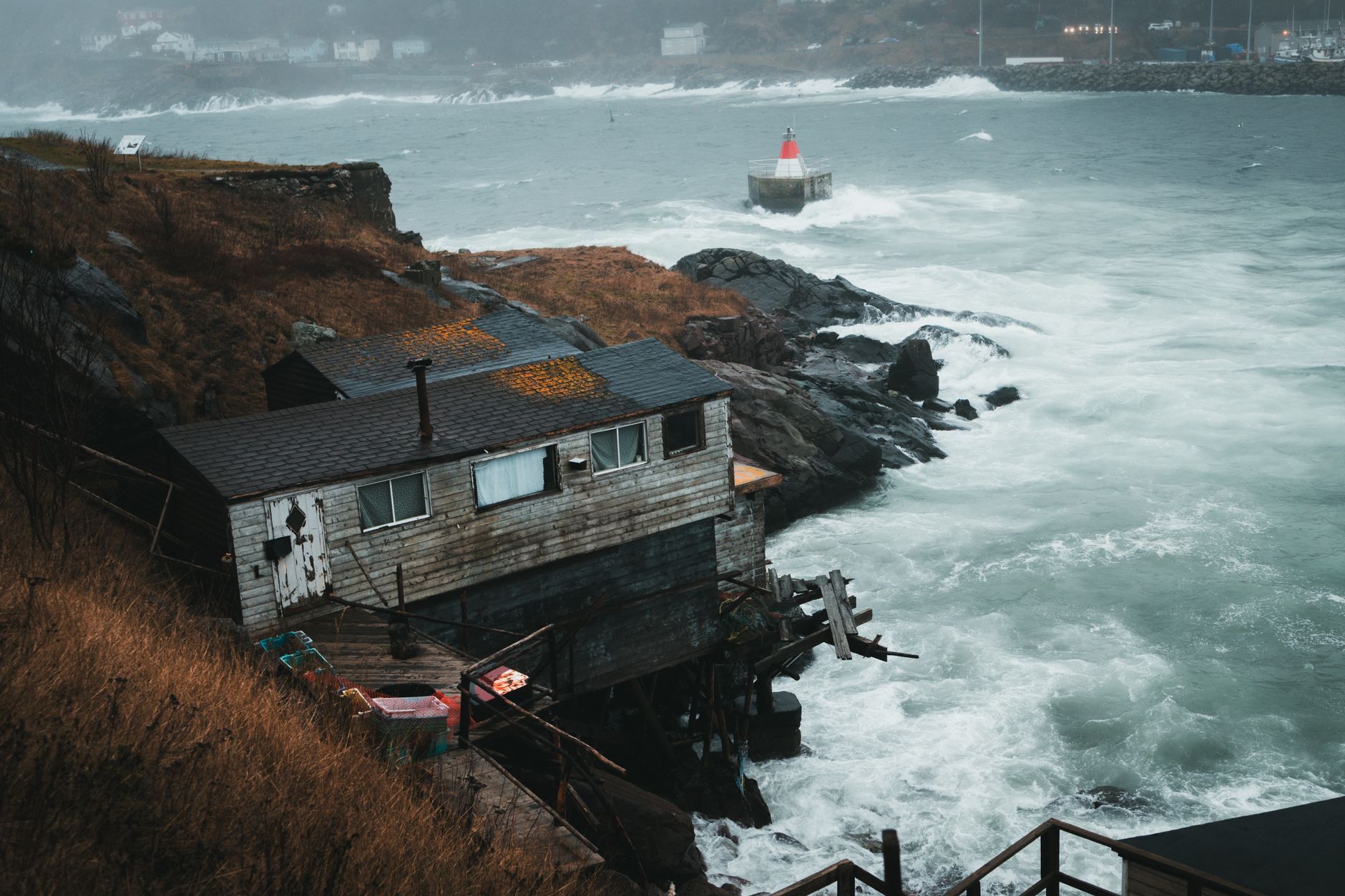
The lighthouse at Flannan Isles, also known as the Seven Hunters, sat approximately 20 miles west of the Isle of Lewis in the Outer Hebrides. The station became operational in December 1899 and was staffed by three keepers on rotation: James Ducat, the principal keeper, Thomas Marshall, the second assistant, and Donald MacArthur, the occasional keeper.
The last confirmed log entry was made on December 15, 1900, at 9:00 a.m. by Thomas Marshall. The entry recorded routine weather observations and noted that the lamps had been cleaned and prepared for the night. No entry followed.
The relief vessel Hesperus, captained by James Harvie, was scheduled to deliver supplies and rotate personnel on December 20. Severe weather delayed the journey. The ship did not reach Flannan Isles until the afternoon of December 26.
What the crew found
When the Hesperus anchored offshore, no one appeared at the landing platform. Captain Harvie sounded the ship’s horn repeatedly. There was no response.
Joseph Moore, a relief keeper aboard the vessel, was sent ashore to investigate. He found the entrance gate and main door both closed but unlocked. Inside the living quarters, the beds were unmade and the kitchen cold. The clock on the wall had stopped. A chair lay overturned near the table.
Moore noted that two of the three sets of oilskins and boots normally kept by the door were missing. One set, belonging to Donald MacArthur, remained in place.
The lighthouse lamps had been cleaned and refilled but were not lit. The wicks were trimmed and the oil reservoirs full, consistent with standard preparation for the evening shift. The logbook sat open on the table.
The investigation begins
Captain Harvie and Moore, joined by two seamen, conducted a full search of the island. Flannan Isles is barren rock, roughly 500 yards long and 150 yards wide at its widest point. There are no trees, no shelter, and limited places for a body to remain concealed.
The men found damage to the landing platform on the western side of the island. A large section of iron railings had been torn away. A storage box weighing more than 100 pounds, normally secured above the high-water mark, had been dislodged and thrown upward onto the cliff path. Turf and soil had been ripped from the top of the cliff approximately 70 feet above sea level.
The eastern landing area, where the lighthouse crew typically docked their supply boat, showed no sign of damage or disturbance. The ropes and tackle remained in place and functional.
The official inquiry
Robert Muirhead, superintendent of lighthouses for the Northern Lighthouse Board, traveled to Flannan Isles to lead the inquiry. His report, filed in early January 1901, documented the scene and proposed a working theory.
Muirhead concluded that the keepers had likely gone to the western landing to secure equipment during a sudden storm. He theorized that a large wave struck the platform, sweeping Ducat and Marshall into the sea. MacArthur, hearing the commotion or realizing his colleagues were missing, rushed out without his oilskins and was also swept away by a subsequent wave.
The theory addressed the missing oilskins and the damage to the western platform. It did not account for several recorded inconsistencies.
The timeline problem
The last log entry was dated December 15. Weather records maintained by the Northern Lighthouse Board and nearby stations indicated that the period from December 15 through December 17 was calm, with light winds and clear skies. No storm conditions were recorded in the region until the evening of December 17.
If the men had been swept away on December 15, as the log date suggested, the sea state would not have produced waves capable of the observed damage.
If the men disappeared during the storm on December 17 or later, it remains unclear why no log entry was made between December 15 and the time of the incident. Lighthouse regulations required daily entries at minimum. The keepers were experienced in maintaining records even during adverse weather.
Joseph Moore later reported that the logbook contained no indication of distress, no mention of worsening weather, and no deviation from routine tone.
What was not found
No bodies were recovered from the sea or shoreline. Searches of the cliffs, rock pools, and accessible caves on Flannan Isles and neighboring islands yielded no remains, clothing, or personal effects.
No signs of violence were documented inside the lighthouse. No blood, no damage to furniture beyond the overturned chair, and no evidence of struggle or confrontation.
The provisions and supplies in the station were intact. Food stores were sufficient. No indication of rationing or resource depletion was observed. Personal belongings, including money and tobacco, were left undisturbed.
No note, message, or final communication was found.
Alternative explanations reviewed
Several theories emerged in the years following the disappearance, many documented in secondary accounts and maritime histories.
One explanation suggested that the keepers had been killed or abducted by foreign agents or smugglers. No evidence of third-party presence was found on the island. The isolated location made unauthorized landings difficult to execute undetected.
Another theory proposed that one keeper had experienced a psychological break and attacked the others before taking his own life. The absence of a body, weapon, or signs of violence inside the lighthouse undermined this scenario.
Some speculated that the men staged their own disappearance. The theory was not supported by motive, opportunity, or any subsequent sighting of the keepers.
The most widely considered explanation remained the wave strike theory advanced by Muirhead. However, it required assumptions about timing, behavior, and sea conditions that could not be reconciled with available records.
What remains unresolved
The Flannan Isles disappearance endures as an unresolved case because the physical evidence, timeline, and witness observations do not align into a single verified explanation.
If the keepers were swept into the sea, the timeline gap between the last log entry and the probable storm date remains unexplained. If they left the lighthouse voluntarily, no trace of their departure or destination has been found. If they were victims of foul play, no forensic or circumstantial evidence supports that conclusion.
The case was never classified as a crime. No suspects were named, no charges filed, and no criminal investigation opened beyond the initial inquiry by the Northern Lighthouse Board.
The lighthouse continued to operate with rotating crews until its automation in 1971. The station remains active as a navigational aid, unmanned and maintained remotely.
The last confirmed location of James Ducat, Thomas Marshall, and Donald MacArthur was the Flannan Isles Lighthouse on or before December 15, 1900. No credible sighting, communication, or physical trace of the three men has been documented since.
Where to look next
- Documentary: “The Lighthouse Keepers” (BBC Scotland)
- Book: “The Lighthouse Stevensons” by Bella Bathurst
- Book: “Vanished: The Flannan Isles Mystery” by Andrew Martin