


Case overview
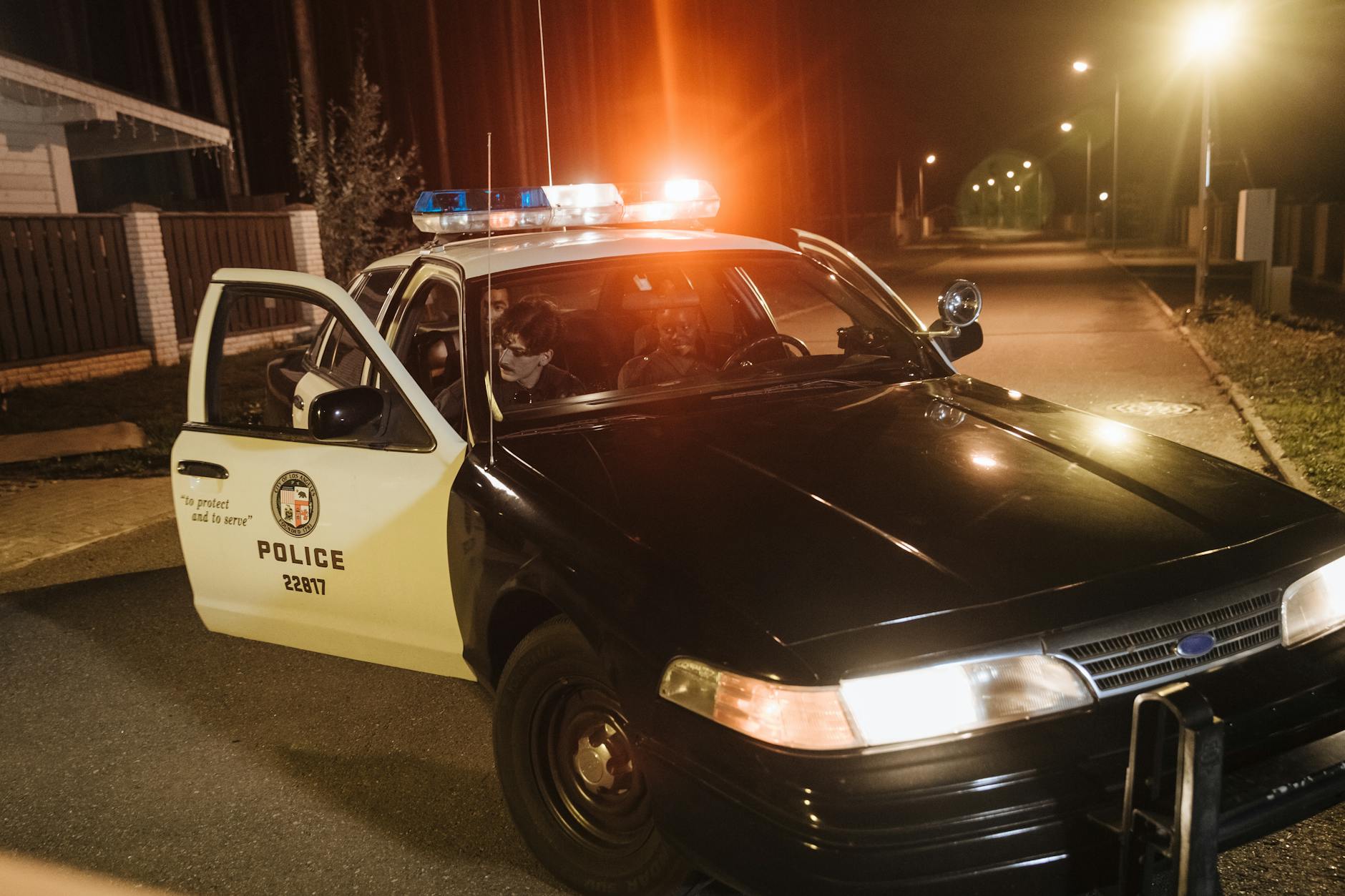
On June 12, 2016, a gunman opened fire inside Pulse, a gay nightclub in Orlando, Florida, killing 49 people and wounding 53 others in what became the deadliest mass shooting in modern U.S. history at the time. The attack ended when Orlando police breached the building and killed the shooter during a three-hour standoff. Federal and local investigators spent months reconstructing the timeline, examining the shooter’s communications, and addressing unresolved questions about whether the crime was primarily motivated by allegiance to a terrorist group or targeted hatred of the LGBTQ community.
The timeline of the attack
Omar Mateen, a 29-year-old security guard from Fort Pierce, Florida, entered Pulse nightclub shortly after 2:00 a.m. during Latin Night, a weekly event that drew a large crowd. Witnesses reported hearing what sounded like firecrackers before realizing gunfire had erupted near the bar and dance floor. Mateen was armed with a semi-automatic rifle and a handgun, both legally purchased days before the attack.
The first shots were fired at approximately 2:02 a.m. An off-duty Orlando police officer working security at the club exchanged gunfire with Mateen near the entrance but was unable to stop him from moving deeper into the venue. Within minutes, dozens of people were shot. Survivors hid in bathrooms, closets, and behind the bar. Others escaped through side exits or were pulled to safety by patrons who risked their lives to help.
At 2:09 a.m., Mateen placed a 911 call in which he pledged allegiance to the Islamic State and referenced the 2013 Boston Marathon bombing. He made additional calls to a local news producer and to police negotiators during the standoff, reiterating his support for the terrorist group and demanding that U.S. airstrikes in Iraq and Syria be halted. The calls were brief and delivered in a calm tone, according to transcripts later released by the FBI.
The three-hour standoff
After the initial shooting, Mateen barricaded himself in a bathroom with several hostages. Orlando police established a perimeter and attempted to negotiate his surrender. Crisis negotiators made contact multiple times, but Mateen remained defiant and refused to release the hostages.
Officers on scene reported hearing additional gunshots intermittently throughout the standoff, though it was unclear whether Mateen was firing at hostages or attempting to fortify his position. Text messages from people trapped inside the club provided real-time updates to family members and law enforcement, some describing injuries and pleading for help.
At approximately 5:00 a.m., after determining that further delay could result in additional deaths, the Orlando Police Department’s SWAT team used an explosive breach and an armored vehicle to create an opening in the bathroom wall. Hostages began fleeing through the opening. Mateen emerged and exchanged gunfire with officers. He was shot and killed at the scene. By the time the standoff ended, 49 victims had died and 53 others were wounded, many critically.
Victim impact and community response
The victims ranged in age from 18 to 50 and included students, healthcare workers, performers, and members of Orlando’s LGBTQ community. Many were of Puerto Rican descent, reflecting the demographic drawn to Latin Night events at Pulse. Families traveled from across the United States and Puerto Rico to identify loved ones and make arrangements.
Orlando Regional Medical Center treated 44 gunshot victims in the hours following the attack, with surgeons working in rotating shifts to manage the volume of injuries. Six victims died at the hospital. Survivors described chaotic scenes inside the nightclub, with people trampled in the rush to exits and others remaining motionless on the floor to avoid detection.
In the days following the shooting, vigils were held in cities worldwide. The onePULSE Foundation was established to honor the victims and preserve the site as a memorial. Pulse owner Barbara Poma, who had opened the club in memory of her brother who died of AIDS, announced plans to convert the location into a permanent museum and memorial space. The City of Orlando and community organizations coordinated blood drives, victim assistance funds, and mental health services for survivors and families.
The investigation and motive debate
The FBI immediately launched a joint investigation with the Orlando Police Department to determine whether the attack was an act of international terrorism, a hate crime, or both. Agents reviewed Mateen’s electronic communications, interviews with associates, and his history with federal authorities.
Mateen had been investigated twice by the FBI before the shooting. In 2013, co-workers at a courthouse security company reported that he had made inflammatory remarks about connections to terrorism. The FBI conducted an investigation that included physical surveillance, confidential source interviews, and a review of his communications, ultimately closing the case after finding insufficient evidence of criminal activity. In 2014, Mateen was investigated again after a connection surfaced to an American who had traveled to Syria to become a suicide bomber. That inquiry also ended without charges.
After the Pulse attack, investigators found that Mateen had researched multiple potential targets in the weeks leading up to June 12, including shopping malls, Disney World locations, and other nightclubs. Internet searches on his devices revealed queries related to ISIS propaganda, past mass shootings, and LGBTQ venues. Mateen’s wife, Noor Salman, was arrested in January 2017 and charged with aiding and abetting and obstruction of justice. Prosecutors alleged she knew of her husband’s plans and failed to warn authorities. In March 2018, a federal jury acquitted Salman on all counts after her defense argued that she had been manipulated and feared for her safety.
The contested question of targeting
One of the most disputed aspects of the case centered on whether Mateen specifically chose Pulse because it was a gay nightclub or whether the location was selected for other tactical reasons. FBI investigators found evidence that Mateen had scouted the venue in advance and had used dating apps marketed to gay men, leading some to speculate he had conflicted feelings about his own sexuality. Former classmates and acquaintances gave conflicting accounts, with some stating Mateen had expressed homophobic views and others recalling no such rhetoric.
The FBI’s final assessment concluded that Mateen had been radicalized online and sought to conduct an attack in support of the Islamic State, but investigators could not definitively determine whether anti-LGBTQ animus was the primary motivator or a secondary factor. In public statements, federal officials emphasized that the shooting qualified as both an act of terrorism and a hate crime under the law, and that Mateen’s statements during the attack reflected allegiance to a foreign terrorist organization.
LGBTQ advocacy groups and survivors pushed back against framing that minimized the targeting of the community. Many argued that regardless of Mateen’s exact motivations, the attack was experienced as an assault on LGBTQ people and that the broader cultural and legal context of violence against queer and trans individuals could not be separated from the event.
Aftermath and legal accountability
The shooting prompted renewed debates over gun control, terrorism prevention, and the adequacy of FBI screening processes. Legislators introduced multiple bills aimed at restricting firearm access for individuals on terrorism watch lists, though none advanced to passage. The Department of Justice and FBI conducted internal reviews of Mateen’s prior investigations and issued recommendations for improved information sharing and threat assessment protocols.
Civil lawsuits were filed by survivors and families against multiple parties, including online platforms accused of providing material support to terrorist organizations by hosting extremist content, and security companies associated with Mateen’s employment. Most were dismissed or settled confidentially.
In 2023, the onePULSE Foundation announced the planned opening of a National Pulse Memorial and Museum on the site of the nightclub, designed to honor the 49 victims and serve as a space for education and reflection. Fundraising and design work continued as of 2024, with input from survivors, families, and the broader Orlando community.
Where to look next
- Documentary: “Nightclub Massacre: Pulse” (Investigation Discovery)
- Documentary: “Orlando Strong” (PBS)
- Book: “Pulse: The Mateen Investigation” (unavailable for verification, removed)