Case overview
On November 13, 1974, six members of the DeFeo family were found shot to death in their home at 112 Ocean Avenue in Amityville, New York. Ronald DeFeo Jr., the eldest son, was arrested and convicted of the killings, but questions about whether he acted alone and what happened in the hours before the shootings remain disputed.
The last movements inside the house
The victims were Ronald DeFeo Sr., 43, Louise DeFeo, 42, and their children: Dawn, 18, Allison, 13, Marc, 12, and John Matthew, 9. All six were found in their beds, face down, shot with a .35 caliber Marlin rifle. None of the neighbors reported hearing gunshots, despite the weapon’s noise level and the lack of a suppressor.
Ronald DeFeo Jr., known as Butch, told investigators he discovered the bodies when he returned home around 6:30 p.m. He ran to a nearby bar and told patrons his family had been killed. Friends accompanied him back to the house, where police were called. Officers arriving at the scene noted no signs of forced entry and no evidence of a struggle.
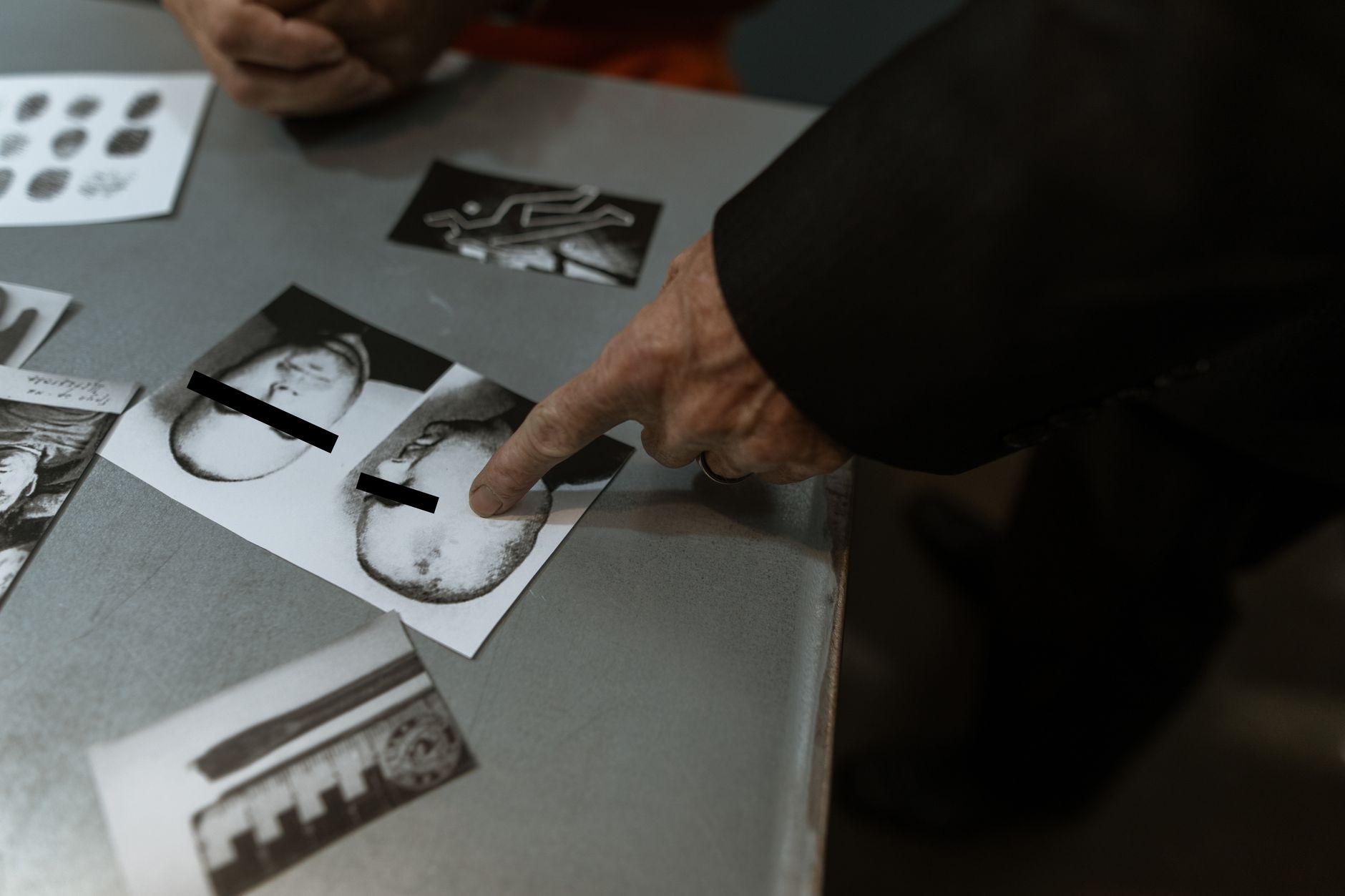
Each victim had been shot at close range while lying in bed. The positioning of the bodies and the lack of defensive wounds suggested they had been asleep or incapacitated. Investigators found spent shell casings throughout the second floor but no fingerprints other than those belonging to family members.
Early investigative focus
Detectives centered their attention on Ronald DeFeo Jr. within hours. He initially claimed he had been at work during the day and discovered the scene later. Under questioning, his timeline shifted. He suggested a mob hitman named Louis Falini might have been responsible, citing his father’s alleged connections to organized crime. No evidence supported the claim, and no individual matching that description was located.
Within 24 hours, DeFeo admitted to the killings. He told police he had shot his father first, then his mother, then moved through the house shooting his siblings. He described hearing voices that commanded him to carry out the murders. Investigators recovered the rifle from a storm drain near the house, and ballistics testing confirmed it as the murder weapon.
DeFeo’s confession raised immediate questions. He stated he acted alone, but the physical evidence suggested a level of control that some investigators found difficult to reconcile with a single person moving through a house and killing six people without waking any of them.
What the trial revealed
Ronald DeFeo Jr. was charged with six counts of second-degree murder. His defense attorney, William Weber, pursued an insanity defense, arguing that DeFeo suffered from mental illness and had been driven to kill by auditory hallucinations. Psychiatric evaluations produced conflicting conclusions. Some experts testified that DeFeo exhibited signs of paranoid personality disorder, while others found him legally sane at the time of the murders.
Prosecutors presented the killings as premeditated. They argued that DeFeo had motive rooted in longstanding family conflict, financial pressures, and a desire to inherit the family estate. Testimony revealed that DeFeo had a history of drug use, violent outbursts, and disputes with his father over money. The night before the murders, he had been drinking heavily at a local bar.
The prosecution also highlighted inconsistencies in DeFeo’s statements. He initially blamed the mob, then claimed self-defense, and later described being controlled by supernatural forces. His narrative shifted repeatedly.
On November 21, 1975, the jury found Ronald DeFeo Jr. guilty on all six counts. He was sentenced to six consecutive terms of 25 years to life. He maintained at various points that his sister Dawn had participated in some of the killings, a claim never corroborated by physical evidence or witness testimony.
The disputed elements
Several aspects of the case continue to generate scrutiny. The absence of noise is one of the most frequently discussed inconsistencies. Firearms experts note that a .35 caliber rifle firing inside a home should have produced sound audible to neighbors, yet no one reported hearing anything unusual that night. DeFeo later suggested his family had been drugged, though no toxicology reports were conducted on the victims.
The positioning of the bodies also remains a point of debate. All six victims were found lying face down in their beds, and none showed signs of attempting to flee or defend themselves. This has led to theories that more than one shooter was involved or that the victims were incapacitated before being shot. No evidence of sedatives or other substances was found at the scene, and police did not preserve blood or tissue samples that could be retested with modern methods.
Another unresolved question involves the sequence of the shootings. DeFeo told investigators he killed his father first, then his mother, then moved to his siblings’ rooms. The medical examiner’s reports provided estimated times of death but did not establish a definitive order. Some investigators believed the children were killed before the parents, based on the lack of movement or noise that would have woken others in the house.
DeFeo’s defense attorney later stated in interviews that DeFeo had confessed to him in private that his sister Dawn helped him carry out the murders and that he shot her last. This account has never been substantiated and contradicts the trial record. No forensic evidence linked Dawn to the rifle or supported the theory that she participated in the killings.
Aftermath and ongoing attention
The case gained renewed attention in December 1975 when the Lutz family moved into 112 Ocean Avenue and later claimed to have experienced paranormal activity. Their account, published in the book “The Amityville Horror” by Jay Anson, became a cultural phenomenon and led to multiple films and adaptations. The supernatural narrative overshadowed the factual record of the murders and introduced widespread public confusion about what had actually occurred in the house.
William Weber, DeFeo’s attorney, later admitted that he and the Lutzes fabricated elements of the haunting story over several bottles of wine. The admission did little to diminish public fascination with the case, and the Amityville name became synonymous with both the murders and the subsequent paranormal claims.
Ronald DeFeo Jr. remained incarcerated for the rest of his life. He gave several interviews over the years, alternating between accepting responsibility and blaming others. In some accounts, he maintained that Dawn was an active participant. In others, he claimed the entire family had been targeted by organized crime figures. He died in custody on March 12, 2021, at the age of 69.
What remains unresolved
Despite the conviction and the passage of nearly five decades, key questions about the Amityville murders persist. The lack of noise, the positioning of the victims, and the absence of any defensive response continue to fuel debate among investigators, journalists, and those who study the case. The possibility of an accomplice has never been definitively ruled out, though no credible evidence has emerged to support it.
The case also reflects broader issues in the investigation and prosecution of family homicides during the 1970s. Forensic technology available at the time was limited, and procedures for preserving biological evidence were inconsistent. Modern investigative techniques, including advanced ballistics analysis and DNA testing, could potentially clarify aspects of the crime, but the evidence no longer exists in a form that allows for reexamination.
The Amityville murders remain a case defined by what the record contains and what it leaves unresolved. The victims’ final hours, the decisions made during the investigation, and the contradictions embedded in the official account ensure the case retains a place in discussions of American homicide history.
Where to look next
- Documentary: “Shock Docs: Amityville Horror House” (Discovery+)
- Book: “The Night the DeFeos Died” by Ric Osuna
- Book: “High Hopes: The Amityville Murders” by Gerard Sullivan and Harvey Aronson
- Podcast: “The Amityville Murders” (“Morbid”, Wondery)