



Case overview
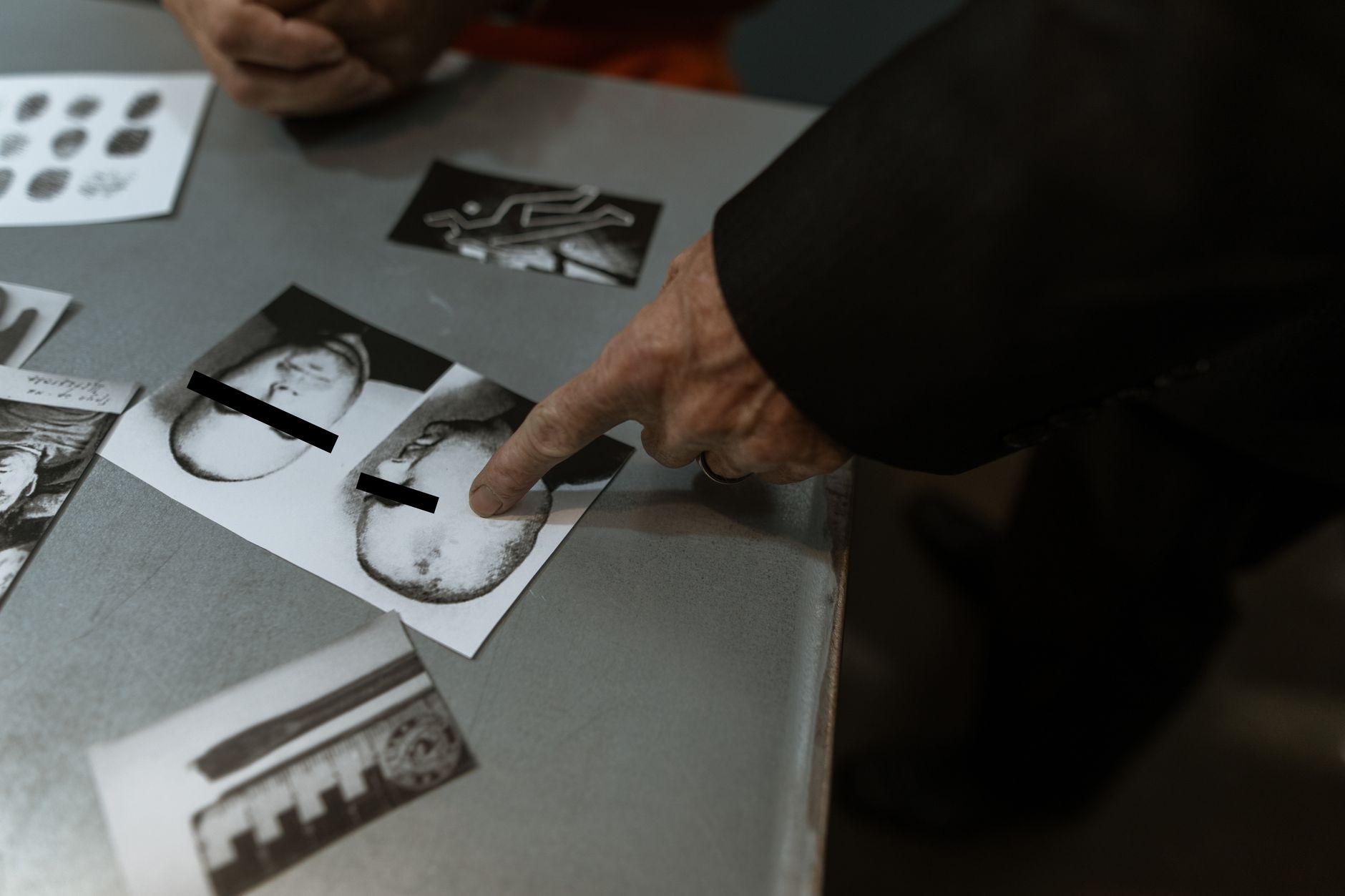
In April 1943, four boys discovered a woman’s skeletal remains inside a hollow wych elm tree in Hagley Wood, Worcestershire, England. Despite forensic examination, wartime investigative efforts, and decades of public speculation, the woman was never identified, and no suspect was ever charged. The case remains unresolved, marked by disputed evidence, cryptic graffiti, and competing theories about who she was and how she died.
The discovery in Hagley Wood
On April 18, 1943, four boys from the Stourbridge area were searching for birds’ nests in Hagley Wood when Robert Hart climbed a large wych elm and looked into a hollow section of the trunk. Inside, he saw a human skull. The boys told no one initially, concerned they would be punished for trespassing on private land. Days later, one of them informed his father, who contacted police.
Officers from Worcestershire Constabulary arrived and recovered a nearly complete female skeleton from inside the tree. The remains were wedged tightly into the hollow trunk, with fabric fragments still attached to the bones. A shoe, a gold wedding ring, and scraps of clothing were also found at the scene.
Forensic examination and estimated time of death
Professor James Webster, a forensic pathologist from the West Midlands Forensic Science Laboratory, conducted the postmortem examination. He determined the remains belonged to a woman approximately 35 years old, about five feet tall, with irregular teeth and one hand missing. Webster estimated she had been dead for at least 18 months, placing her death sometime in late 1941.
Webster noted the body had been placed in the tree shortly after death, before rigor mortis set in, and that the hollow trunk had accelerated decomposition while protecting the remains from scavenging. A piece of taffeta fabric found in the mouth led Webster to conclude the woman may have been asphyxiated, though he could not rule out other causes.
The missing hand was later found buried near the base of the tree, along with fragments of additional clothing. Investigators could not determine whether the hand had been deliberately removed or separated naturally during decomposition.
The investigation and unidentified victim
West Midlands Police launched an investigation, circulating descriptions of the woman’s physical characteristics, clothing, and wedding ring. Despite widespread media coverage and public appeals, no one came forward to identify her. Police checked missing person reports from across England and Wales but found no match.
Detectives canvassed the area and interviewed locals, but no credible leads emerged. The investigation was complicated by wartime conditions, including restricted movement, evacuations, and limited forensic technology. No dental records, fingerprints, or other identifying documentation could be matched to the remains.
By the end of 1943, the case had gone cold. The woman was buried in an unmarked grave, her identity unknown.
The graffiti and public speculation
In 1944, graffiti began appearing on walls in the West Midlands with the phrase “Who put Bella down the wych elm?” The message appeared in several locations, including Hagley and Birmingham, and persisted for years. The phrasing later shifted to “Who put Bella in the wych elm?” and has been periodically re-chalked by unknown individuals over the decades.
The graffiti sparked widespread speculation that someone knew the victim’s identity and was taunting investigators or seeking attention. Some interpreted the messages as evidence of a cover-up or local knowledge of the crime. Others suggested the graffiti was unrelated and simply reflected public fascination with the mystery.
Police investigated but were unable to trace its origin or connect it to any credible witness or suspect. No one came forward to explain the reference to “Bella,” and no documentation has surfaced linking that name to the unidentified woman.
Theories and disputed interpretations
Several theories have emerged about the woman’s identity and the circumstances of her death. None have been substantiated by evidence or confirmed by law enforcement.
One theory, popularized in the 1950s, suggested the woman was a spy involved in wartime espionage. This narrative was based largely on the timing of the death and the presence of military activity in the region, but no records from British intelligence agencies or wartime security files have corroborated the claim.
Another theory proposed the woman was a sex worker or transient who had been murdered and hidden to avoid detection. Proponents cite the remote location and the apparent effort to conceal the body, but no evidence of a suspect or motive has been identified.
A 1953 letter sent to a Wolverhampton newspaper claimed the woman was a Dutch or Belgian national involved in a blackmail scheme, but the letter was unsigned and could not be verified. Police investigated but found no supporting evidence.
More recently, some researchers have suggested the woman may have been a victim of domestic violence, with the placement of the body representing an attempt by a spouse or family member to hide the crime. This theory remains speculative and unsupported by documentation.
Reexamination and unresolved questions
In the 1990s, cold case investigators briefly revisited the file, but no new forensic technology was applied to the remains, which had been lost or misplaced in the decades following the original examination. Without access to DNA, isotope analysis, or other modern techniques, investigators were unable to develop new leads.
The case remains officially unresolved. Key questions persist: Who was the woman? How did she die? Who placed her body in the tree? Was the graffiti connected to someone with knowledge of the crime, or was it an unrelated act of public curiosity?
The absence of a credible identification, the disputed cause of death, and the lack of any arrest or prosecution have kept the case in the public imagination for more than 80 years.
Where to look next
- Documentary: “The Body in the Wych Elm” (Investigation Discovery)
- Book: “Bella in the Wych Elm” by M.J. Trow
- Book: “The Poisoned Pen: The Story of the Body in the Wych Elm” by Douglas Skelton