



Case overview
On November 29, 1970, a woman’s burned body was discovered in Norway’s Isdalen Valley with no identification, disguised fingerprints, and belongings traced to false identities. Norwegian authorities ruled her death a suicide, but forensic findings, witness accounts, and the woman’s movements before her death have fueled decades of dispute. Her identity and the circumstances of her death remain unresolved.
Discovery in Isdalen Valley
A professor hiking near Bergen found the woman’s body in a remote area known locally as Death Valley. The remains were severely burned, positioned against a rock formation. Authorities recovered partially melted plastic bottles that had contained gasoline near the body. The scene suggested the fire had been set intentionally, though whether by the woman or another party became a central question.
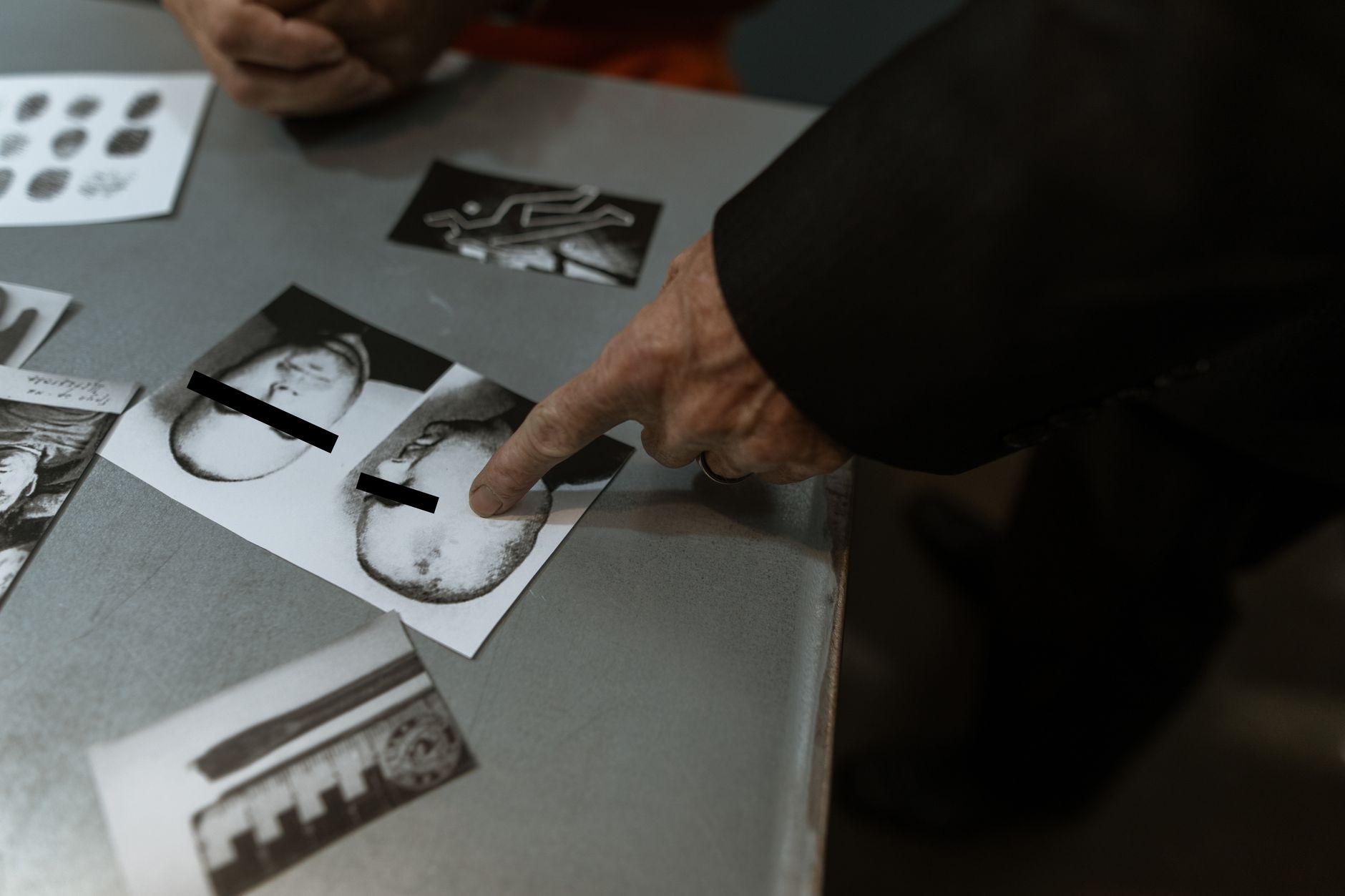
The body was found face down. The front of the remains showed more extensive burns than the back. No identification was present. The woman’s fingerprints had been deliberately abraded, indicating an effort to prevent identification.
Belongings and false identities
Investigators found two suitcases at a Bergen train station. The luggage contained clothing with labels removed, wigs, and identification documents. Every document used a different alias. The woman had checked into hotels under multiple names, all later determined to be false.
Police traced hotel registrations across Norway and Europe. The woman had traveled extensively in the weeks before her death, moving between cities and repeatedly changing identities. Witness descriptions varied, but several hotel staff recalled a woman matching the general physical profile who paid in cash and avoided conversation.
Investigators also recovered coded notes written in what appeared to be a simple substitution cipher. The notes listed dates and locations that corresponded to her known travel route. No explanation for the code was found.
Autopsy findings and the suicide ruling
The autopsy determined the woman had ingested a significant quantity of sleeping pills before her death. Toxicology results showed phenobarbital in her system at levels considered lethal. Based on this finding and the circumstances, Norwegian authorities classified the death as suicide.
The official conclusion was that the woman had taken the pills, positioned herself in the valley, and set herself on fire. Investigators cited the presence of the gasoline bottles and the absence of evidence suggesting another party at the scene.
The autopsy also documented smoke in the woman’s lungs, indicating she was alive when the fire began. This finding became a point of contention in later reviews.
Questions about the evidence
Forensic specialists who later examined the case records raised concerns about the suicide determination. The position of the body, the lack of defensive injuries, and the absence of matches or a lighter at the scene led some experts to question whether the woman could have set the fire herself after ingesting a lethal dose of sedatives.
The burned condition of the body complicated efforts to establish identity. Dental records were compared against missing persons reports across Europe, but no matches were found. Investigators issued public appeals and distributed reconstructed facial images, but no family members or acquaintances came forward.
Witness accounts added further complexity. Several people reported seeing the woman in the company of unidentified men in the days before her death. One hotel employee described a man waiting for her in a lobby. Another witness recalled seeing her with a man near the area where her body was later found. None of these men were identified, and police were unable to verify the accounts.
Theories and speculation
The case generated numerous theories. Some investigators suggested the woman might have been involved in intelligence work, citing her use of multiple identities, coded notes, and frequent border crossings during the Cold War. Others proposed she was fleeing an abusive relationship or hiding from criminal associates.
No evidence definitively supported any single explanation. The woman’s background, nationality, and reason for being in Norway remained unknown. Investigators found no records of her entering the country under any of the names she used.
In 2016, Norwegian authorities exhumed the body for DNA and isotope analysis. The isotope testing suggested the woman had spent significant time in central or southern Europe based on mineral content in her teeth and bones. DNA profiles were entered into international databases, but no familial matches were identified.
Disputed cause of death
The debate over whether the woman died by suicide or was killed has never been resolved. Proponents of the suicide theory cite the toxicology results and the lack of physical evidence indicating another person at the scene. Critics point to the removed clothing labels, abraded fingerprints, and witness reports of unidentified men as inconsistent with a planned suicide.
Forensic pathologists have questioned whether someone who had ingested a fatal dose of sedatives could have physically carried out the steps necessary to set a fire. The absence of an ignition source at the scene remains unexplained under the suicide hypothesis.
Norwegian police have never officially reopened the investigation, but the case has been periodically reviewed. No new evidence has emerged that conclusively supports either suicide or homicide.
Unresolved identification efforts
Despite decades of public interest and multiple investigative efforts, the woman’s identity has never been established. Facial reconstructions, DNA analysis, and isotope testing have narrowed the possibilities but produced no definitive answers.
The woman is buried in Bergen under a headstone that reads “Isdal Woman.” Norwegian authorities continue to maintain the case file and have stated they remain open to new information.
The cause of death, the reason for the multiple false identities, and the woman’s purpose in Norway remain unknown.
Where to look next
- Podcast: “Death in Ice Valley” (BBC World Service and NRK)
- Documentary: “Isdal Woman” (NRK)
- Book: “The Ice Valley Mystery: The Death of the Isdal Woman” by Denis Hætta