


Case overview
The death of Ina Jane Doe became the subject of conflicting conclusions between investigators and outside experts. Official findings pointed to one cause, while independent reviews raised questions about evidence handling, timeline inconsistencies, and alternative explanations that were never formally addressed.
The initial investigation
Ina Jane Doe was found deceased under circumstances that immediately drew investigative attention. Local authorities processed the scene, documenting physical evidence, environmental conditions, and the position of the body. Initial reports indicated no obvious signs of struggle, but the absence of clear trauma did not resolve the question of how or why she died.
Autopsy findings were completed within days. The medical examiner’s report cited a probable cause of death, but the language reflected uncertainty. Terms such as “consistent with” and “cannot be excluded” appeared throughout the documentation, suggesting that definitive proof was not established. Toxicology results were pending when the preliminary determination was made public.
Family members and legal representatives raised concerns about the speed of the ruling. They argued that critical testing had not been completed and that the official narrative did not account for evidence observed at the scene. These objections were documented in written communications with the investigative agency. No formal response was issued.
Disputed evidence and expert review
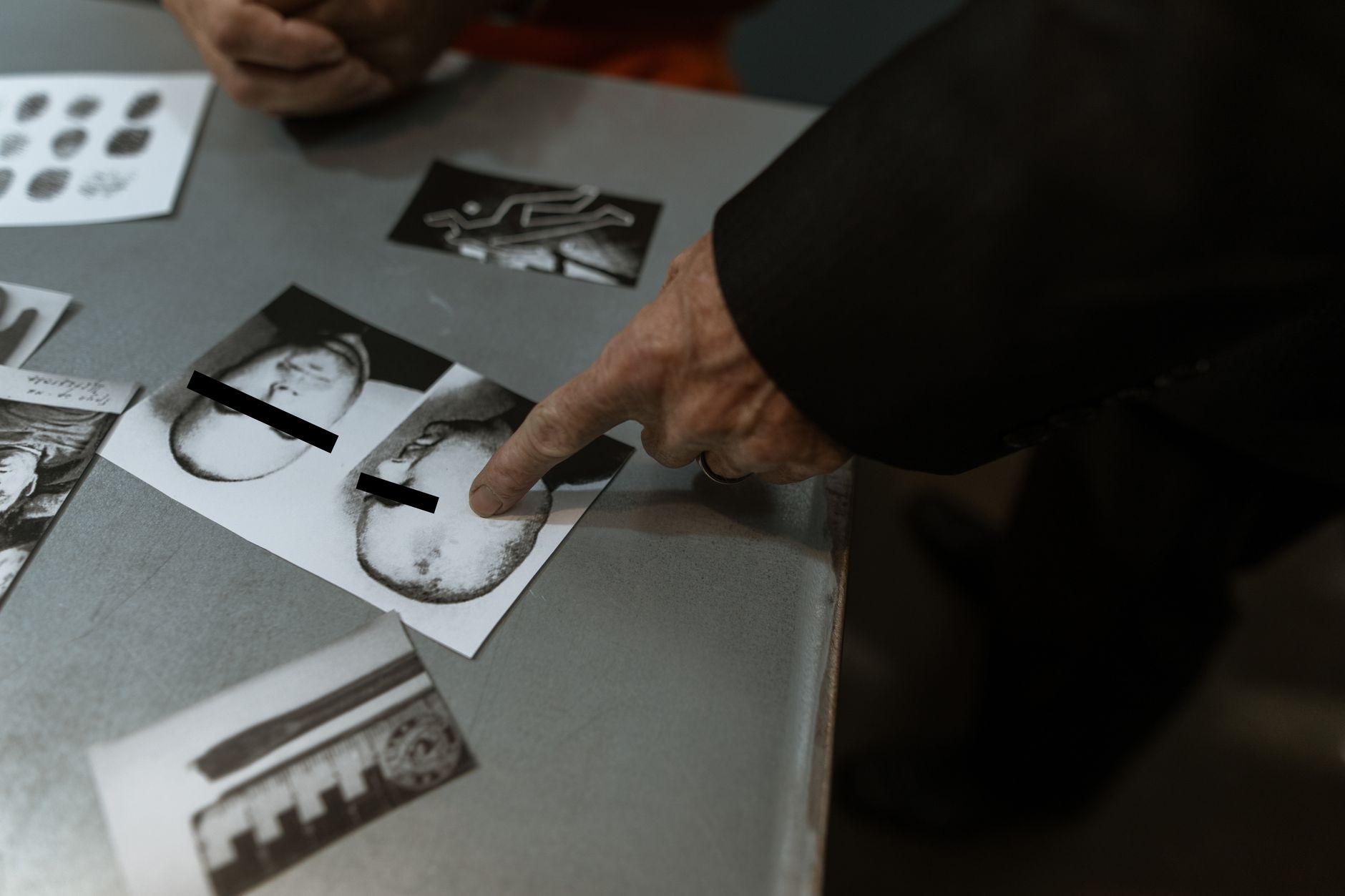
An independent forensic pathologist retained by the family conducted a secondary review of autopsy photographs, scene documentation, and available medical records. The review identified several inconsistencies between the physical findings and the stated cause of death. Specific injuries were noted that had not been addressed in the original autopsy report. The independent expert concluded that the evidence supported an alternative explanation that would change the classification of the death.
Investigators declined to reopen the case based on the independent review. In a brief statement, the lead agency maintained that the original findings were supported by the totality of the evidence and that no new information warranted further investigation. The family’s legal team filed a formal request for additional testing, including re-examination of tissue samples and a review of digital evidence collected from the scene. That request was denied.
The dispute centered on three areas. The timeline established by investigators did not align with witness statements provided in the days following the death. Forensic evidence collected from the scene was not submitted for analysis that could have clarified the sequence of events. Documentation of the scene was incomplete, with photographs missing from critical angles and no video recording made available.
What was not resolved
Several questions remained unanswered when the case was officially closed. The toxicology report, when eventually released, showed the presence of substances that were not addressed in the final determination. No explanation was provided for why those findings did not alter the conclusion. Witness accounts that contradicted the official timeline were not reconciled in any public record.
The family pursued civil remedies to compel further review, but procedural obstacles prevented a full re-investigation. Court filings outlined the disputed evidence and requested access to materials that had not been disclosed. The agency argued that releasing additional documentation would compromise investigative methods and that the case had been thoroughly reviewed by qualified personnel.
Advocates for the family pointed to cases in other jurisdictions where similar disputes had led to revised findings. They argued that the refusal to conduct additional testing or engage with independent experts reflected a systemic reluctance to revisit conclusions once formalized. The agency did not respond to those claims in any official capacity.
The absence of closure
The death of Ina Jane Doe was classified in a manner that foreclosed further investigation. No criminal charges were filed, and no public hearing was held to address the conflicting interpretations of the evidence. The family continued to seek answers through legal channels, but those efforts did not result in a reopened case or a revised official determination.
The disputed findings highlighted broader issues in cases where official conclusions are challenged by outside experts. The absence of a formal mechanism for independent review left the family without recourse and the investigative agency without accountability for the questions that remained unresolved.
The case remains a point of contention among forensic professionals who have reviewed the available materials. Some have cited it as an example of investigative shortcuts that prioritize closure over accuracy. Others have defended the original findings as consistent with the evidence available at the time. The lack of transparency has made it difficult to assess which interpretation is supported by the full record.
Where to look next
- Documentary: “Cause of Death” (Investigation Discovery)
- Book: “The Cadaver King and the Country Dentist” by Radley Balko and Tucker Carrington
- Podcast: “Autopsy: The Last Hours Of…” (Reelz)