


Case overview
The death of Sahara Sue remains the subject of dispute between official findings and questions raised by those who knew her. Investigators closed the case with one conclusion, but conflicting evidence and unanswered details continue to fuel debate. What happened in the hours before her death has never been fully resolved.
What is known about the case
Sahara Sue’s death was investigated as a potential overdose, suicide, or accidental death depending on the jurisdiction and initial reports. The official autopsy determined a cause of death, but family members, advocates, and independent observers have pointed to inconsistencies in the evidence collected at the scene and the timeline leading up to her death.
The case centers on whether the physical evidence supports the official determination or whether critical details were overlooked. Investigators documented the scene, interviewed witnesses, and submitted toxicology reports, but disputes emerged over the interpretation of those findings.
The disputed findings
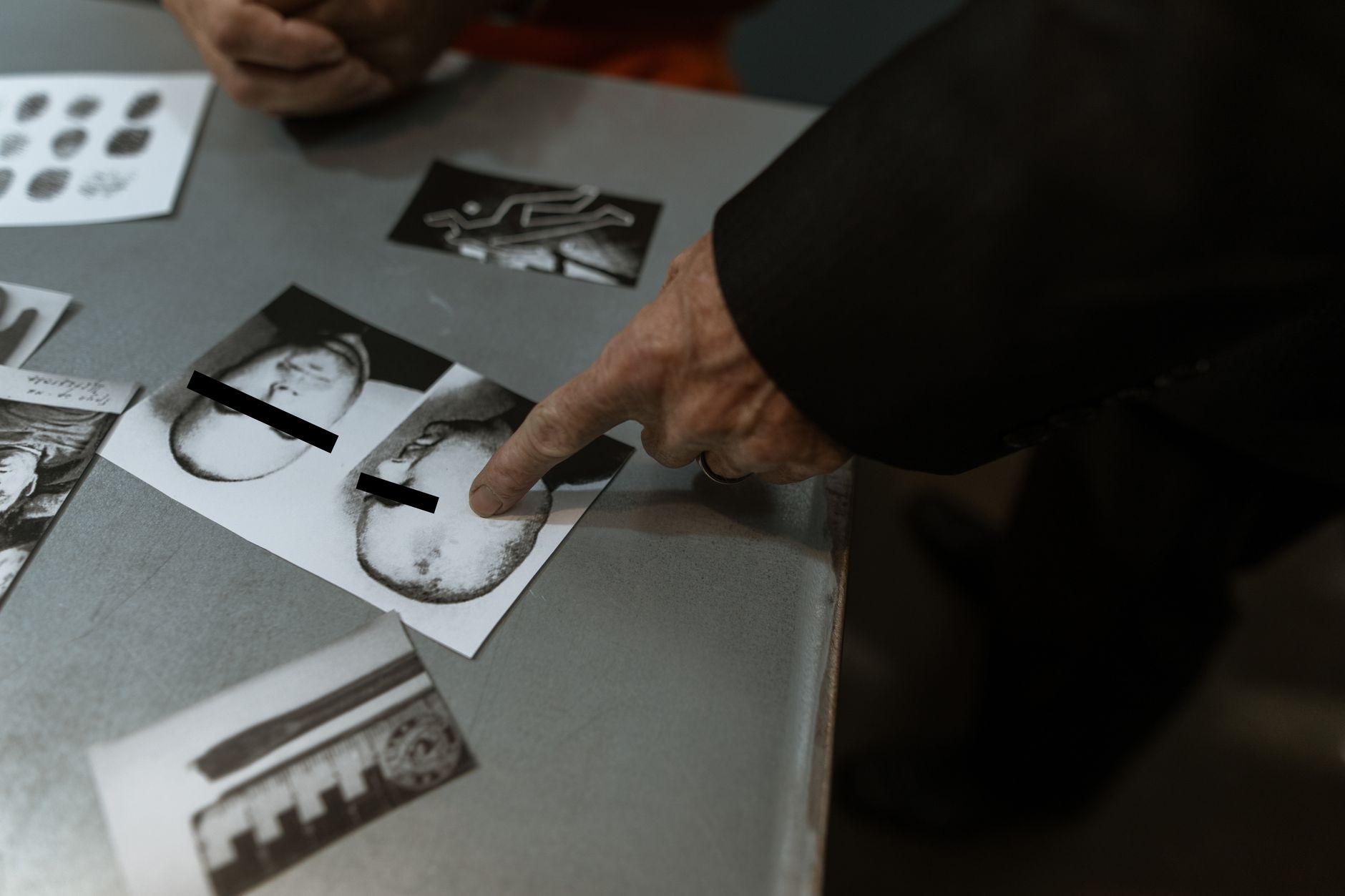
The autopsy report listed a cause of death, but questions were raised about the condition of the body, the substances detected, and whether the scene was consistent with the official explanation. Family members challenged the findings, pointing to marks, positioning, and other physical evidence they believed contradicted the conclusion.
Toxicology results showed the presence of substances, but the levels detected became a point of contention. Some argued the concentrations were not consistent with the manner of death listed in the official report. Others pointed to the lack of a suicide note, prior mental health documentation, or any clear motive for self-harm.
Witness statements also varied. Some individuals reported seeing Sahara Sue in the hours before her death and described her behavior as unremarkable. Others noted signs of distress or conflict. The timeline of her final movements remains incomplete, with gaps that were never fully accounted for in the investigative record.
The investigative response
Law enforcement treated the death as non-suspicious based on initial scene assessment. No arrests were made, and no criminal charges were filed. The case was closed after the autopsy and toxicology reports were finalized.
Family members requested a second autopsy or independent review, but those requests were either denied or not pursued through official channels. Advocates argued that the investigation was insufficient and that key evidence was not properly examined or preserved.
The lack of follow-up investigation became a focal point for those questioning the official account. No additional forensic testing was conducted, and no re-examination of the scene or witness statements took place after the case was closed.
What remains unresolved
The central question is whether the official cause of death accurately reflects what happened. The physical evidence has been interpreted in conflicting ways, and no consensus has emerged outside the medical examiner’s report.
Family members continue to dispute the findings and have called for the case to be reopened. They argue that unanswered questions about the scene, the timeline, and the autopsy results warrant further investigation.
No new evidence has surfaced that would compel authorities to revisit the case. The file remains closed, and the official determination stands as the final record.
The broader context
Cases involving disputed autopsy findings are not uncommon, particularly when family members believe the circumstances do not align with the official explanation. Independent reviews and second opinions are sometimes pursued through civil litigation or advocacy efforts, but they do not always result in changes to the official record.
The death of Sahara Sue fits within a broader pattern of cases where the manner of death is contested but not formally re-examined. Without new forensic evidence or witness testimony that contradicts the initial findings, such cases often remain unresolved in the eyes of those who question the official account.
Where the case stands
The official cause of death has not been overturned or amended. No criminal investigation is active, and no charges have been filed in connection with Sahara Sue’s death.
Family members and advocates continue to raise questions about the evidence and the investigative process. They maintain that the case deserves further scrutiny and that the official findings do not account for all the available information.
The case remains closed by law enforcement and medical examiner standards, but it remains open in the minds of those who believe critical questions were never answered.
Where to look next
- Documentary: “Autopsy: The Last Hours Of…” (Reelz)
- Book: “The Cases That Haunt Us” by John Douglas and Mark Olshaker
- Podcast: “Suspicious Death Investigations” (“Forensic Tales”, Courtney Fretwell)