


Case overview
On November 1, 1980, the body of an unidentified young woman was found in a field near Huntsville, Texas, with conflicting autopsy findings and unresolved questions about what happened in the hours before her death. The official manner of death was ruled undetermined, but investigators and forensic experts have disagreed for decades over whether she was killed or died by her own hand. More than 40 years later, her identity and the circumstances of her death remain unknown.
Discovery and initial response
A prison inmate working on a highway cleanup crew discovered the body along Interstate 45 in Walker County, roughly 50 feet from the roadway. The location was isolated, with limited visibility from the highway. The body was partially clothed, and no identifying documents were found nearby.
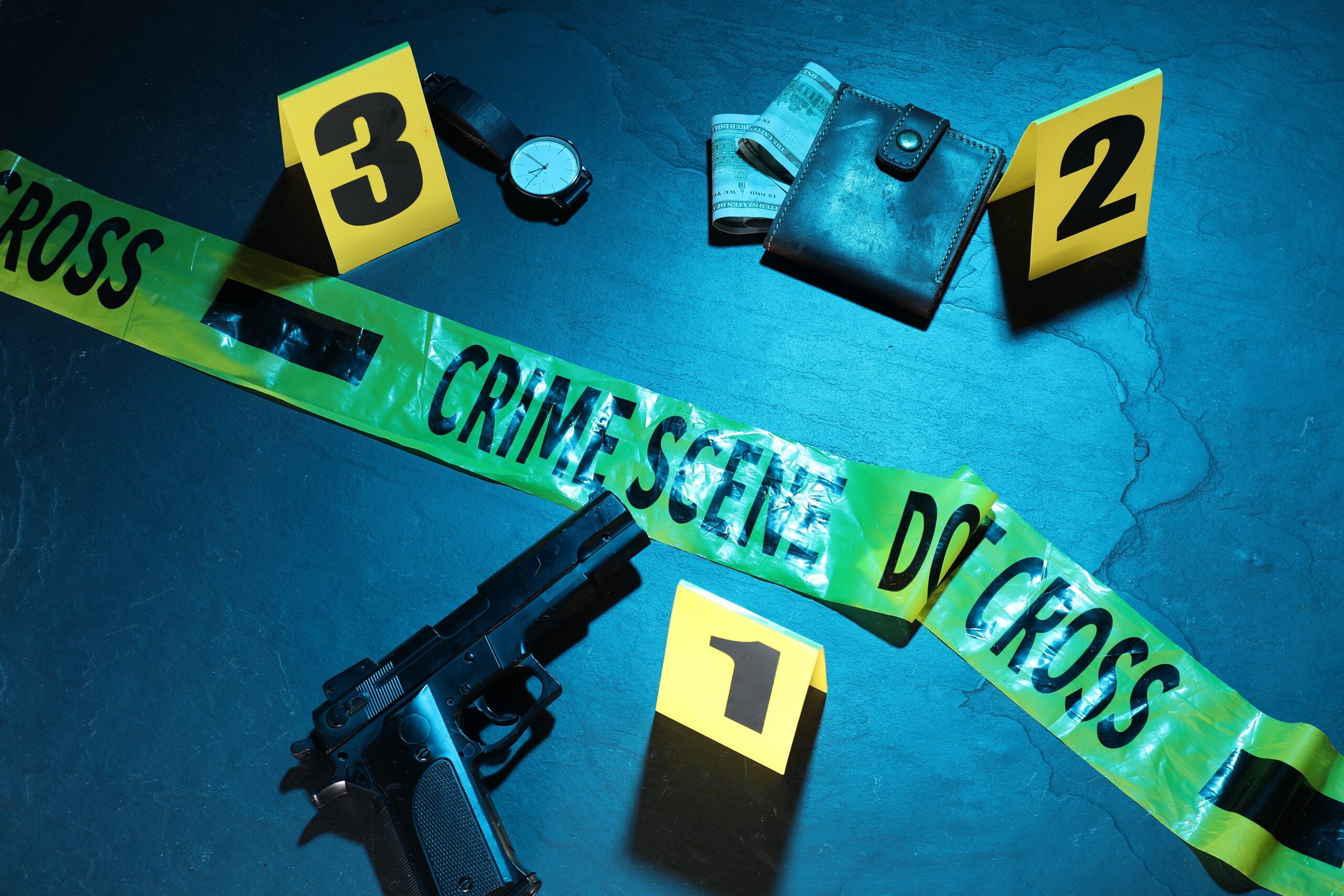
Investigators documented visible injuries, including contusions and abrasions. A gun was recovered near the body, and a spent shell casing was found at the scene. The positioning of the weapon and the condition of the body became central to the dispute over what occurred.
Autopsy findings and early conclusions
The initial autopsy, conducted by a local pathologist, determined the cause of death to be a gunshot wound to the chest. The manner of death was listed as undetermined, reflecting uncertainty about whether the death was a homicide, suicide, or accident.
Certain findings raised immediate questions. The pathologist documented defensive wounds on the victim’s hands and evidence of recent sexual activity. Toxicology results were limited by the available testing methods at the time, and no substances were conclusively identified.
The defensive injuries were inconsistent with a self-inflicted gunshot wound, according to several forensic professionals who later reviewed the case. The positioning of the weapon and the trajectory of the bullet also drew scrutiny, though no consensus emerged.
Conflicting expert interpretations
In the years following the autopsy, forensic pathologists and investigators revisited the findings. Some experts argued that the wound pattern, the presence of defensive injuries, and the location of the weapon suggested homicide. Others maintained that the evidence was not definitive enough to rule out suicide or an accidental discharge.
One key point of contention involved the angle of the gunshot. The bullet entered the chest at a trajectory that some experts described as inconsistent with a self-inflicted wound, particularly given the victim’s height and the type of firearm involved. Without a reconstruction of the scene or additional forensic testing, the interpretation remained speculative.
The sexual activity evidence also complicated the investigation. It was unclear whether this was consensual, whether it occurred immediately before death, or whether it was connected to the circumstances that led to the fatal injury. No DNA testing was conducted at the time, and biological evidence was not preserved in a manner that allowed for later analysis.
Identification efforts and limited leads
The victim was estimated to be between 14 and 18 years old, with light brown hair and hazel eyes. She was approximately 5 feet 2 inches tall and weighed around 110 pounds. Investigators released composite sketches and forensic reconstructions in an effort to identify her, but no matches were confirmed.
Witnesses reported seeing a young woman matching her description at a truck stop near Huntsville in the days before the body was discovered. She was reportedly seen hitchhiking and speaking with truck drivers. One witness claimed she mentioned traveling from the Rockport or Aransas Pass area, but the information was never corroborated.
Despite multiple tips and potential matches over the years, none led to a confirmed identity. DNA was eventually extracted from her remains and entered into national databases, but no familial matches have been reported.
Reinvestigation and renewed attention
In 2015, the case was reopened by the Walker County Sheriff’s Office with the assistance of forensic genealogy experts. Advances in DNA technology offered new possibilities for identifying the victim and potentially linking evidence from the scene to a suspect.
Investigators also reexamined the original autopsy photographs and reports. Some forensic experts who reviewed the material concluded that the injuries were more consistent with homicide than suicide, though others cautioned that the evidence remained ambiguous.
The gun recovered at the scene was traced, but its ownership history did not provide a clear link to the victim or a suspect. Ballistics testing confirmed that the weapon fired the fatal shot, but no other forensic connections were established.
Disputed evidence and unresolved questions
The case remains unresolved in part because key pieces of evidence were either not preserved or not analyzed using modern methods. The absence of DNA testing in 1980 meant that biological material from the scene was not cataloged in a way that allowed for later comparison. The toxicology results were limited, and no comprehensive reconstruction of the scene was conducted at the time.
The manner of death classification has never been changed, despite ongoing disputes among experts. Some investigators continue to treat the case as a homicide, while others maintain that the evidence does not support a definitive conclusion.
The defensive wounds, the sexual activity evidence, and the gunshot trajectory remain the most contested elements. Without additional physical evidence or witness testimony, the questions surrounding her death are unlikely to be resolved unless her identity is confirmed and new investigative leads emerge.
Current status
Walker County Jane Doe remains unidentified. Her case is listed in the National Missing and Unidentified Persons System, and her DNA profile is available for comparison. Investigators continue to accept tips and review potential matches, but no significant developments have been reported in recent years.
The manner of death remains undetermined. No charges have been filed, and no suspects have been publicly named. The case is considered open, and the Walker County Sheriff’s Office has stated that it will continue to investigate any credible leads.
Where to look next
- Podcast: “The Vanished Podcast” (Wondery)
- Documentary: “Unidentified: The Jane Does” (Investigation Discovery)
- Book: “The Skeleton Crew: How Amateur Sleuths Are Solving America’s Coldest Cases” by Deborah Halber