By the time the 12-year-old boy reached a neighbor’s front door to call for help, he had already heard a single gunshot from inside his family’s living room. Behind him were his mother, his sister, and a Christmas tree still lit three days before the holiday.
A Family Killing In Highland City
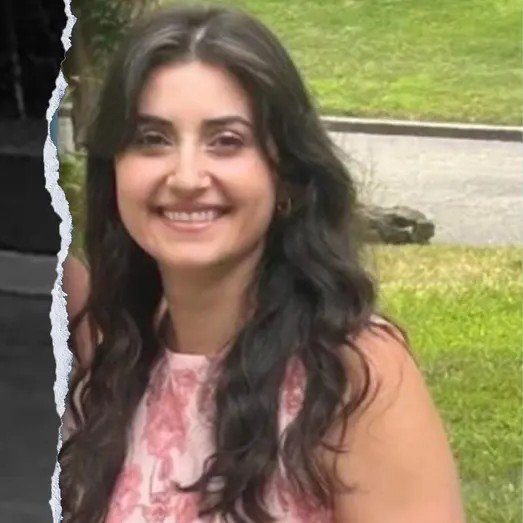
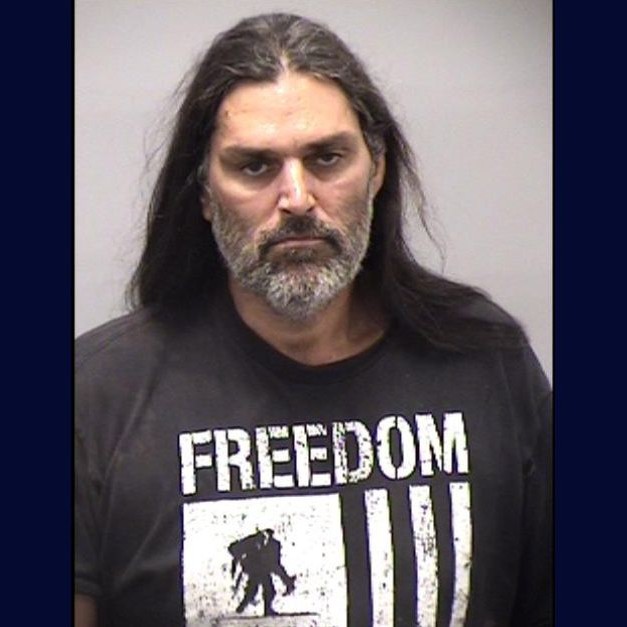
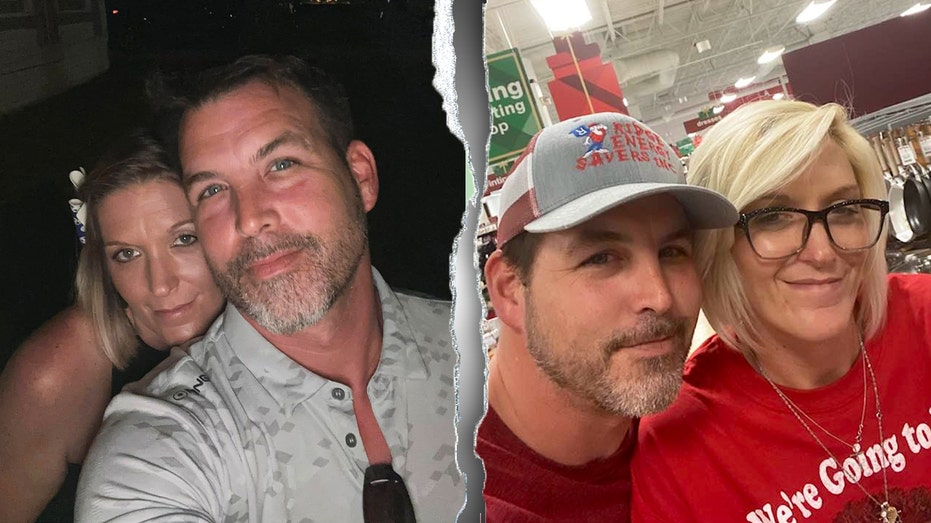
Investigators in Polk County, Florida say 38-year-old Crystal Roure was shot and killed in her home in late December 2025 while trying to shield her children from her husband, 47-year-old Jason Kenney. The couple’s 13-year-old daughter was also shot but survived. Their 1-year-old child was found unharmed in a crib.
According to the Polk County Sheriff’s Office, Kenney then left the house, called a relative, and later died of an apparent self-inflicted gunshot wound at a different property. The case has left three children without both parents and has drawn attention to how domestic violence can remain largely invisible to law enforcement until a lethal incident.
Most of what is publicly known about the killing comes from statements and a news conference by Polk County Sheriff Grady Judd, as reported by Fox News Digital. The sheriff’s office had reportedly received no prior domestic violence calls involving the couple, and Kenney had no criminal history.
What Investigators Say Happened
Authorities say the violence began after a night of drinking and football. According to the sheriff, Kenney had been in a shed on the property at the family’s home in Highland City, south of Lakeland, drinking while watching Monday Night Football. Near the end of the game, around 11 p.m. on December 22, 2025, he went into the house to continue watching.
Roure told him she did not want to watch football. Police say an argument followed. As the confrontation escalated, Roure reportedly told her 12-year-old son to run to a neighbor’s house and call 911. He did so and, according to investigators, heard one gunshot as he fled.
Responding deputies found Roure dead in the living room with a gunshot wound to her head. Her 13-year-old daughter was discovered in her bed with two gunshot wounds. The baby remained asleep in a crib.
Sheriff Judd said the teenager later described what happened when her stepfather entered her room. According to his account of her statement, she told him, “I begged him, don’t shoot me, don’t shoot me, don’t shoot me. And he shot me anyway.” Judd said the bullet struck her nose and then ricocheted through the top of her head, but she survived.
After the shootings, investigators say Kenney left in his truck and called his sister. According to the account provided to Fox News Digital, he told her he “had done something really bad and he was not going to jail,” adding that she would “see it on the news.” Police say he then drove to a property in Lake Wales associated with his deceased father and went into a shed there.
Officers who responded to that address reported hearing a single gunshot after calling for Kenney to come out. They found him dead inside with a gunshot wound to the head. Sheriff Judd described the deaths as a murder suicide.
Family Describes Earlier Abuse, but Few Records Exist
Public records cited in the Fox News report show no prior criminal cases against Kenney in Polk County and no documented domestic violence calls to the couple’s home. Yet relatives told investigators that what happened days before Christmas did not come without warning.
Judd said family members reported that Kenney had been abusing Roure for some time. Authorities also found an undated letter Roure had written to him, according to the sheriff’s account. In it, she confronted him about substance use and how it was affecting their home life. “You’re drinking, you’re using cocaine again. This is not the way a family should be. You need God,” the letter read, as relayed by Fox News Digital.
Roure’s sister, Stephanie Roure, told USA Today that concerns about Kenney’s drinking had grown after the marriage. Her comments were quoted in the Fox report. “After they were married, I know she said he was drinking a lot more but she said that he was going to stop and said he would get help with it. Obviously that didn’t happen,” she said.
In the same interview, she described her sister’s final actions in the house as an attempt to protect the children. “My sister died a hero for protecting her children and getting my nephew out of the house to make the 911 call. She did that. She saved their lives and by doing so my nephew saved his sister’s life, and thank God the baby was untouched,” she said.
Sheriff Judd painted a similar picture at his news conference. “He absolutely destroyed a family. When you go in there, there is a beautiful Christmas tree with lots of Christmas presents under the tree, just like the nuclear family should be, and it ends up this way,” he said, according to the Fox report.
The Polk County Sheriff’s Office website, which publishes news releases and case updates, did not list a detailed written release on this case as of the time of writing, and the agency did not respond immediately to Fox News Digital’s request for further comment, according to that outlet’s story. The sheriff’s office home page is publicly available at polksheriff.org, but the underlying investigative file is not yet posted there.
Alcohol, Guns and Domestic Violence Risk
From what has been made public, alcohol and a firearm were both present in the Roure Kenney home on the night of the killing. Family members told reporters that Kenney’s drinking had become heavier. Judd said he had been drinking while watching football in the shed before the argument in the living room.
Research has consistently found that the combination of domestic conflict, alcohol misuse and access to guns increases the likelihood that a violent incident will turn deadly. The National Coalition Against Domestic Violence notes that when an abusive partner has access to a firearm, the risk that a woman will be killed is several times higher than in homes without guns, based on multiple studies of intimate partner homicides (NCADV data).
In Polk County, Sheriff Judd has frequently spoken publicly about domestic violence and the role of firearms in prior cases, urging victims or relatives to contact law enforcement or local shelters. The sheriff’s office lists domestic violence resources and victim services on its website, but those tools depend on someone reaching out or a neighbor or professional noticing and reporting concerns.
In this case, investigators have said they had no record of prior calls to the home. Without prior police contact, there was no open case to flag Kenney for risk evaluation, and no protective order on file that could have affected his access to guns.
Invisible Abuse and Institutional Blind Spots
The killing in Highland City underscores a familiar pattern in domestic homicide cases. Relatives later describe escalating abuse or substance use. Written evidence, like Roure’s letter about drinking and cocaine, surfaces after the fact. Yet police files show little or nothing until the night of the homicide.
According to national victimization surveys cited by advocates, a significant share of domestic violence incidents never reach formal reports, either because survivors fear retaliation, feel ashamed, hope the behavior will change, or do not trust authorities to help. When those incidents involve guns, the gap between private danger and public records can have life-altering consequences.
It remains unclear who, outside the immediate family, knew about the alleged abuse in the Roure Kenney household, or whether any prior incidents were reported to medical providers, schools, faith communities or employers. The sheriff’s office has not publicly detailed any such contacts. Without those specifics, it is difficult to see where, if anywhere, another institution might have intervened.
What is documented at this point is limited and stark. A mother is dead. Her husband is dead. Three children survived a night that ended in gunfire and a murder suicide in a living room framed by holiday decorations.
As the criminal investigation closes with both the alleged shooter and his victim deceased, there will be no trial transcript to examine, no jury verdict to scrutinize, and few additional public filings. What remains are the statements of a teenage girl who says she begged not to be shot, a sister’s description of a promise to seek help that never materialized, and a letter that tried to turn private behavior into written warning.
Whether those fragments lead to changes in how similar risks are identified in other homes in Polk County or beyond is not yet known. For now, they are among the only records that this family ever asked for help at all.