

Four women in Gig Harbor, Washington, are dead after a stabbing rampage that authorities say began as a domestic attack and drew in neighbors who tried to intervene, while questions remain about an unserved no-contact order and the timing of the law enforcement response.
TLDR
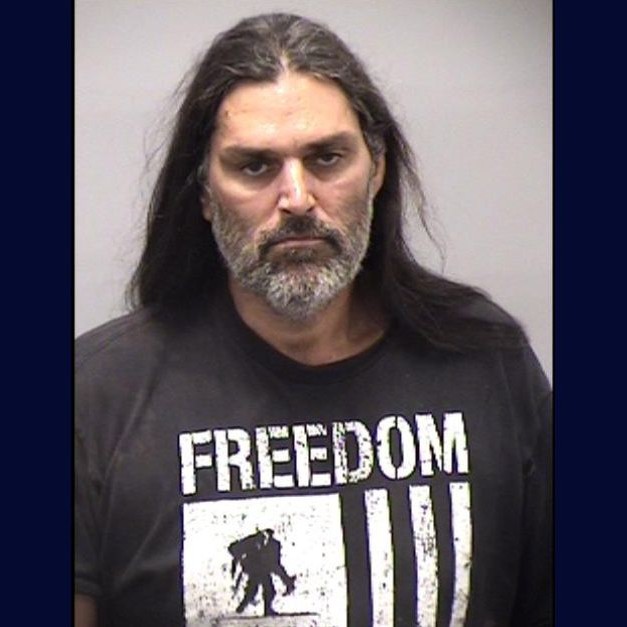
Authorities in Gig Harbor, Washington, say 32-year-old Aleksandr Shablykin fatally stabbed his mother and three neighbors after returning to a home despite a no-contact order, before a sheriff’s deputy shot and killed him during the attack.
The Pierce County Sheriff’s Department has identified the suspect as 32-year-old Aleksandr Aleksandro Shablykin and the victims as his 52-year-old mother, Zoya Anatolyevna Shabliykina, and three women who lived nearby. According to Law & Crime, all four victims died of multiple sharp force injuries. Deputies say Shablykin was shot by a responding deputy while still attacking victims. The full sequence of events, and how it intersected with prior court orders and mental health concerns, is still being pieced together from records and family accounts.
What Investigators Say Happened
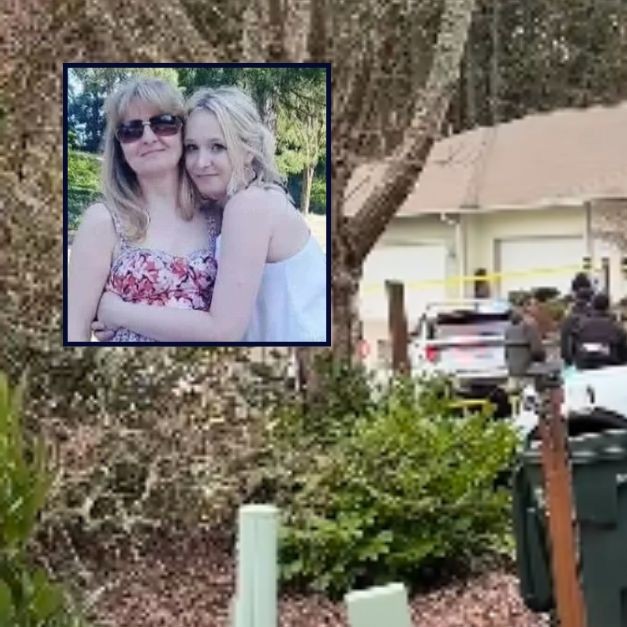
According to the Pierce County Sheriff’s Department, the violence began shortly after 8:30 a.m. at a home on the 14000 block of 87th Avenue Court Northwest in Gig Harbor, which is roughly 50 miles southwest of Seattle. Deputies say Shablykin showed up at the residence in violation of a no-contact order involving his mother. Because that order had not yet been formally served, deputies report that they were dispatched to the home around 9:30 a.m. to serve the paperwork.
While deputies were on the way, several witnesses called 911 to report that multiple people were being stabbed, according to the agency’s account cited by Law & Crime. A responding deputy arrived to find Shablykin actively stabbing victims, investigators say, and opened fire. Paramedics pronounced Shablykin and three women dead at the scene, while a fourth victim died later at a hospital. The Pierce County Medical Examiner’s Office has reportedly determined that all four women died from multiple sharp force injuries.
A Family’s Earlier Warnings
The case did not arise in a vacuum. Local outlet KING, as summarized by Law & Crime, reported that Shabliykina had obtained a yearlong restraining order against her son in May. In her petition, she wrote that her son struggled with mental health and substance use, and she alleged that he had threatened her, telling her that her “grave has been already dug up.” It is not clear from available reporting whether that earlier restraining order is the same no-contact order deputies say they were attempting to serve on the day of the killings or a separate case.
Shablykin’s sister, Anastasiya Shabliykina, told KING that he had not been taking prescribed bipolar medication, according to Law & Crime’s account of the interview. She described the attack as disconnected from the brother she knew, saying, “That was not my brother that did that. It was something else, something evil,” while still confronting the reality that the victims included their mother and three neighbors who tried to help.
Community Impact and Procedural Questions
The three neighbors who were killed have been identified as Joanne Kathleen Brandani, 59, Stephanie Killilea, 67, and Louise Sandra Talley, 81. KING reported, as relayed by Law & Crime, that Brandani and Killilea served as commissioners on the Gig Harbor Arts Commission, and that Talley volunteered with Visit Gig Harbor. Family and community accounts describe them as residents who responded to cries for help and were attacked when they tried to intervene.
Relatives have launched an online fundraiser to assist with funeral expenses. The campaign describes the event as rooted in mental health struggles and notes the ripple effects beyond the immediate family, stating, “This devastating event has left them not only grieving the loss of two cherished family members, but also coping with the trauma experienced by three neighbors who selflessly tried to help when they heard cries for help,” according to Law & Crime. Alongside grief, unanswered questions remain about how protective orders are communicated and served, how mental health and substance use concerns are addressed, and whether any procedural changes will follow.
In the coming months, internal reviews by the sheriff’s department, autopsy findings, and any additional court records will clarify the official timeline, including when the no-contact order was issued and how deputies prioritized service. For now, four women are dead, a family is mourning both victims and the man accused of killing them, and a small city is left to examine how its systems responded to warnings that preceded the violence.