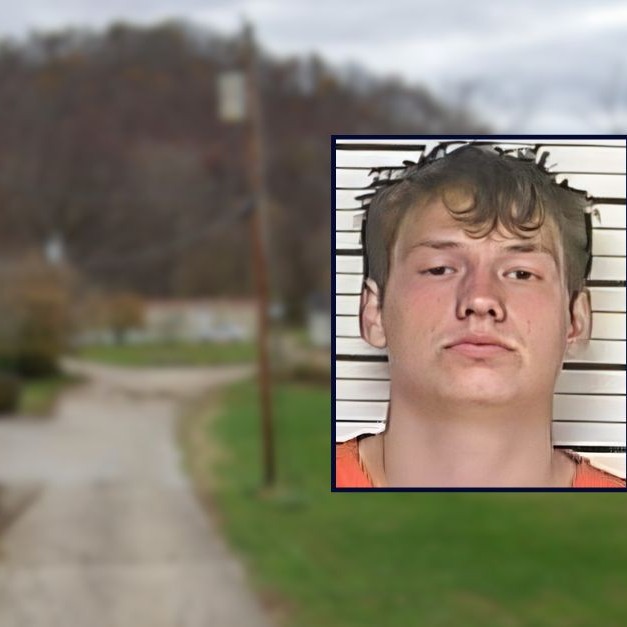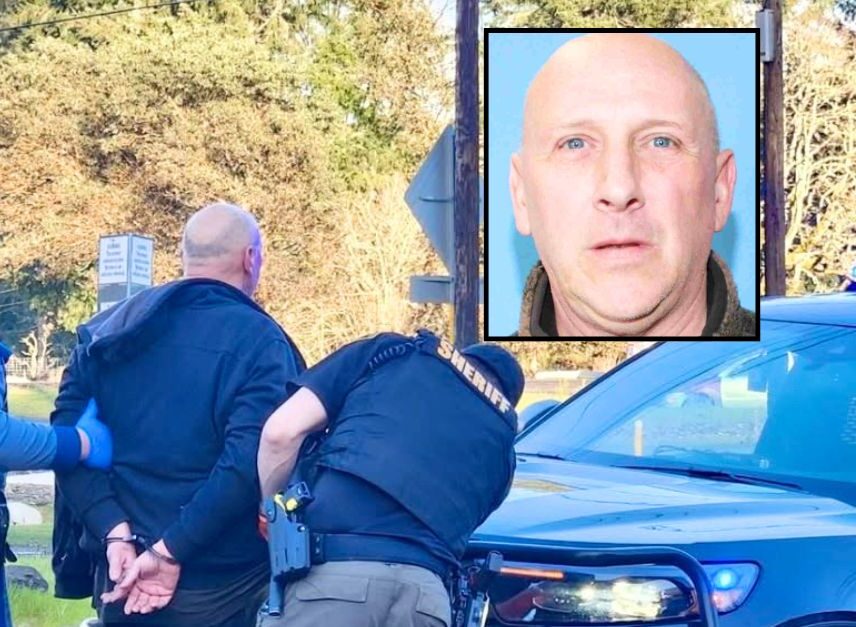


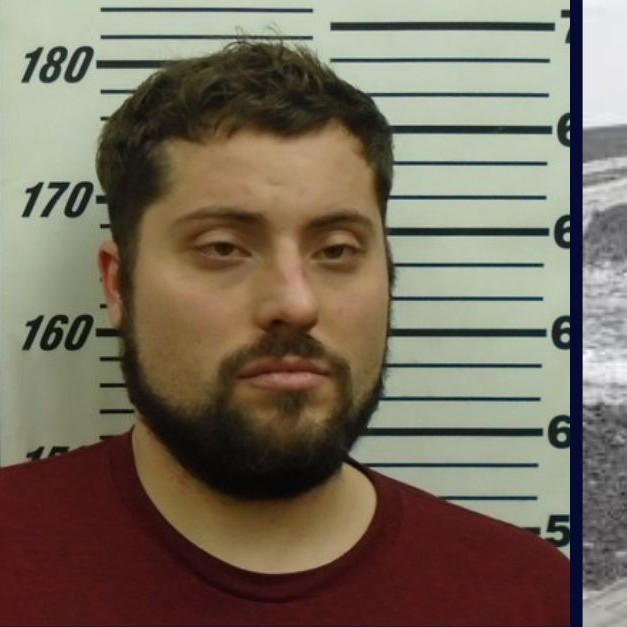
Nearly seven years after Anesha “Duffy” Murnane walked out of her housing complex in Homer, Alaska, the man accused of killing her has pleaded guilty to second-degree murder. Even with that plea on the record, prosecutors still do not have her body, and many of the most disturbing details in the case exist only in affidavits and reported statements.
TLDR
Former assisted living worker Kirby Calderwood pleaded guilty to second-degree murder in the 2019 disappearance of 38-year-old Anesha “Duffy” Murnane in Homer, Alaska. In exchange, prosecutors dropped eight other charges, including first-degree murder and kidnapping, according to KBBI. Murnane’s body has never been found.
Background in Homer Disappearance
Murnane, a 38-year-old resident of Homer, lived at Main Tree Housing, an assisted living complex on the Kenai Peninsula. According to prior reporting by Law&Crime, she was diagnosed with bipolar disorder and received support services in the community.
On October 17th, 2019, Murnane left the housing facility for a routine walk in Homer and did not return. Her disappearance quickly drew in local police, firefighters, and volunteers. Flyers with her photograph went up around town, and search efforts extended along trails and wooded areas in and around Homer.
Despite the extensive search and national attention from missing persons advocates, authorities did not locate physical remains. For years, the case remained a missing person investigation, with family and community members organizing awareness events while waiting for a concrete break.
That break would eventually come from a tip, not from the physical searches that had canvassed the area where she was last seen.
Tip Names Former Caregiver as Suspect
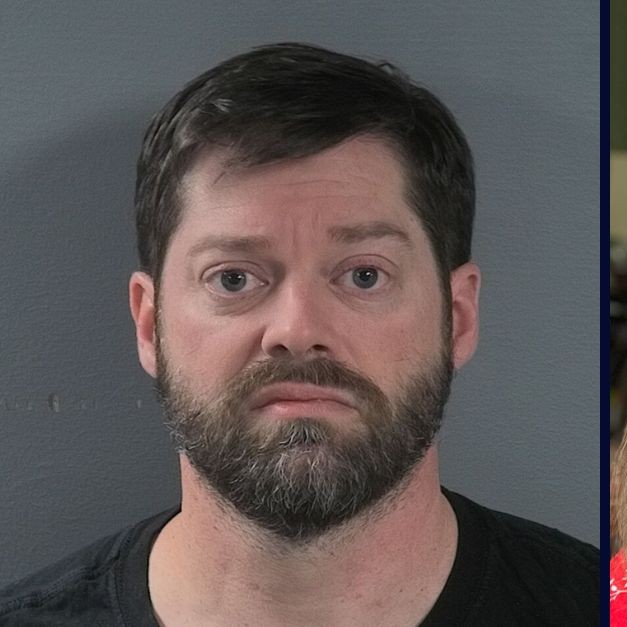
In 2022, according to affidavits summarized by Anchorage NBC affiliate KTUU and Law&Crime, a Crime Stoppers tipster contacted authorities with a detailed allegation. The tip named a former Homer resident, 36-year-old Kirby Calderwood, as the person who allegedly kidnapped, tortured, and killed Murnane, then disposed of her body.
Investigators determined that Calderwood had worked at an Alaska assisted living facility in 2018 and knew Murnane from that environment, according to Law&Crime. By the time of the tip, he was living in Utah.
The same affidavits state that Calderwood’s then-wife told police he had confessed to killing a woman in Homer. She allegedly reported that he described bringing the victim to a house used by his then-girlfriend’s family, killing her in a crawl space, and then moving away from Alaska.
Homer investigators, relying on those accounts, obtained a warrant to search the crawl space at the girlfriend’s parents’ home. According to KTUU’s reporting on the affidavits, forensic testing in that area detected Murnane’s DNA, tying the location to the missing woman despite the absence of a body.
Search Warrants and the Timex Watch
While Alaska authorities examined the property in Homer, detectives in Ogden, Utah, pursued search warrants connected to Calderwood’s residence. During one of those searches, investigators reported finding a small black Timex wristwatch inside a dresser drawer, according to affidavits described by KTUU.
The anonymous tipster, whose report first pointed police toward Calderwood, had specifically alleged that he kept a personal item from the victim. The affidavit quoted the tipster as saying that “Calderwood kept Murnane’s wristwatch, that would light up when a button on the side was pushed, and that it may have been a Timex.” Investigators then compared that description with photographs of Murnane that showed her wearing a small black watch.
One affidavit, as reported by Law&Crime, stated that the watch recovered in Utah “exactly matches the watch the Kenai Crime Stoppers TIPS caller had described, and Murnane’s mother and stepfather had described.” The same affidavit noted that a missing person flyer for Murnane was found near the dresser where the watch was recovered.
The watch itself is physical evidence. The interpretation of that object, whether as a memento of a killing or an unrelated possession, comes from the tipster’s account and investigators’ conclusions as reflected in the affidavits.
Affidavit Alleges Pattern of Sexual Violence
As Homer police and outside investigators built their case, they collected statements from people who said they knew Calderwood in other contexts. In a sworn affidavit cited by Law&Crime, investigator Matt Haney wrote that multiple women who had been romantically involved with Calderwood accused him of sexual violence, including rape.
Those women, according to the affidavit, had relayed some of their allegations to the U.S. Army while Calderwood was serving. Public records referenced in reporting do not establish what, if anything, the military ultimately did with those complaints. The available documents do not show a clear disciplinary outcome.
Haney’s affidavit also relayed secondhand accounts that one woman said Calderwood admitted to hurting animals as a child, and that other women described similar violent and disturbing behavior. The filing characterized the alleged pattern starkly. “Calderwood has an extensive history of abusive, violent sexual behavior towards women and fantasized about torturing and killing someone,” Haney alleged.
These statements remain allegations. They have not been adjudicated in a separate public trial, and they entered the record primarily to provide context and support for probable cause in the Murnane case. The plea agreement in Alaska resolved only the criminal counts formally filed against Calderwood there.
How Investigators Say the Killing Occurred
The same affidavit that outlined pattern evidence also recorded a detailed narrative that investigators attributed to the anonymous tipster’s account of Calderwood’s own words. According to that document, Calderwood allegedly told the tipster that he drove around looking for a victim and eventually spotted Murnane walking.
The affidavit says he allegedly picked her up in his blue Subaru and drove her to an unoccupied house associated with his then-girlfriend’s family. Once there, he is said to have told her that he needed to retrieve a phone charger inside and invited her to come in while he did so. The document states that Murnane accepted the invitation.
According to the investigators’ summary, the attack occurred inside that house. The affidavit alleges that Murnane was tortured and killed, then taken to the crawl space under the home. It further claims that Calderwood admitted to throwing her cellphone into a lake and later placing her body in a dumpster.
Without a recovered body, many of these asserted details rely on hearsay, the tipster’s account, and what investigators say Calderwood told others. The guilty plea resolves the central question of criminal responsibility for Murnane’s death, but it does not, by itself, independently verify every element contained in earlier investigative filings.
Plea Deal and Pending Sentencing
According to Homer NPR affiliate KBBI, Calderwood entered a guilty plea to second-degree murder in an Alaska court in connection with Murnane’s death. In exchange, prosecutors agreed to dismiss eight other counts, including first-degree murder, kidnapping, tampering with evidence, manslaughter, and sexual assault.
The plea agreement, as described by KBBI and Law&Crime, calls for a 99-year prison sentence with 12 years suspended. That structure would leave 87 years to serve, a term that effectively ensures Calderwood will spend the rest of his life in state custody unless modified in later proceedings.
Sentencing is scheduled for July 1st, 2026. At that hearing, the court is expected to formally impose a sentence and hear from both sides. Victim impact statements from Murnane’s family, arguments about Calderwood’s alleged history, and disputes over how to weigh uncharged or dismissed conduct could all factor into the judge’s analysis under Alaska’s sentencing framework.
What remains unresolved, even after a plea, is the absence of Murnane’s remains and the full extent of corroborated evidence for the most graphic allegations. The plea confirms that Calderwood accepts legal responsibility for causing her death, yet the community in Homer still lacks a gravesite or definitive physical account of what happened after she disappeared.
Unanswered Questions After a Conviction
Practically, the guilty plea provides finality in the criminal case that friends and relatives of Murnane have waited on since 2019. It also sidesteps a full public trial that would have required witnesses and family members to revisit the details of the alleged torture and killing in open court.
At the same time, investigative records point to areas where the public record is thin. Affidavits describe reports of sexual violence to the U.S. Army, but they do not clearly document what investigative steps or disciplinary measures, if any, were followed. There is no publicly available indication that prior complaints resulted in an intervention that might have altered what happened in Homer.
The case also underscores the evidentiary challenges of prosecuting a homicide without a body. Prosecutors relied on a combination of DNA in a crawl space, the watch recovered in Utah, witness statements, and detailed tip information to build a case strong enough for a conviction and ultimately a plea.
When Calderwood appears for sentencing, Alaska’s courts will face a familiar but difficult task. They must translate a record built on affidavits, unresolved allegations, and a plea to a single count into a punishment that reflects a life lost, a body still missing, and lingering questions about warning signs that may have gone unaddressed.