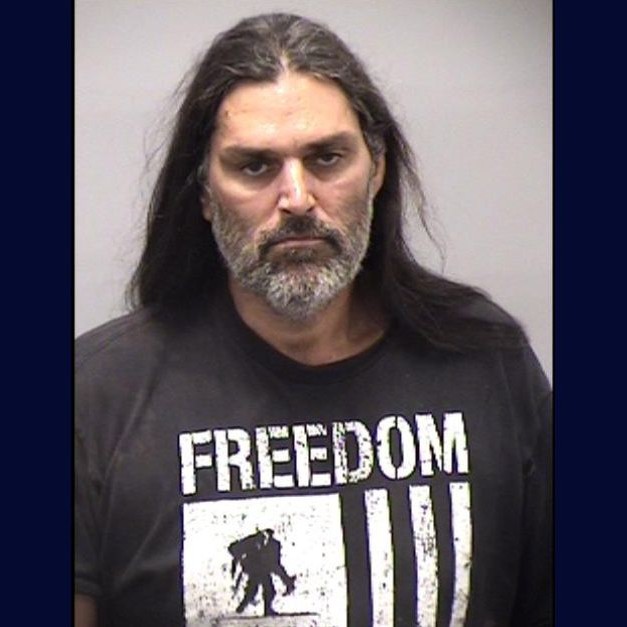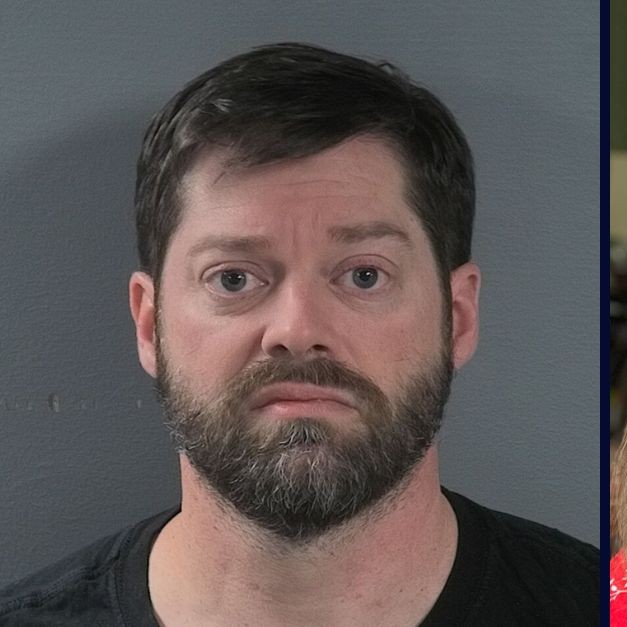


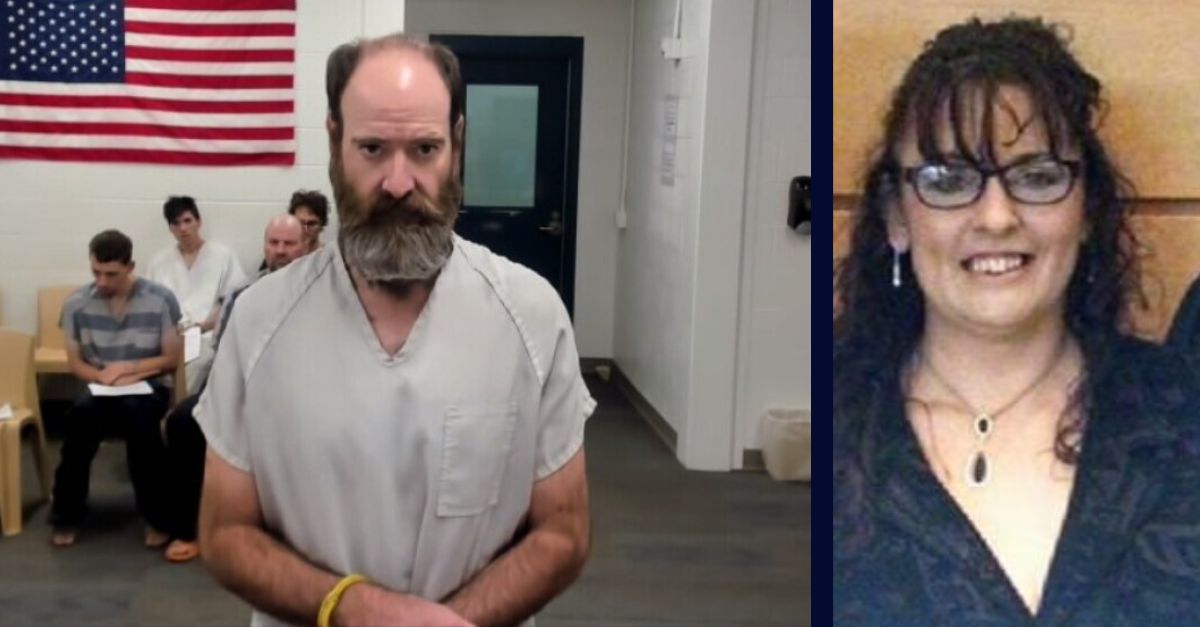
That man is 46-year-old Shane Levi Cole Roberts. He has pleaded guilty to deliberate homicide in the 2024 killing of his girlfriend, 52-year-old Genna Rae LaCombe, in Billings, Montana. A Yellowstone County judge recently sentenced him to 85 years in prison, a longer term than the 70-year sentence that both prosecutors and the defense had jointly recommended, according to coverage by Law&Crime and local CBS affiliate KTVQ.12
What Police Found At The Apartment
According to KTVQ’s courtroom account, Billings police went to the residence in late August 2024 after neighbors complained about a strong odor coming from an apartment in the Heights area of the city.2 When officers arrived, they discovered a body on the porch. The remains were wrapped in blankets, towels and a shower curtain.
Officers entered the apartment and found Roberts hiding in a closet with a dog, according to Law&Crime’s summary of the hearing, which relied in part on KTVQ reporting.1 Police took him into custody at the scene.
A coroner later determined that the victim, identified as LaCombe, had suffered numerous stab wounds, including one that nearly severed her head, KTVQ reported.2
Evidence That Shortened The Case
The case did not go to trial. Roberts chose to plead guilty to deliberate homicide under Montana law. Courtroom testimony described a series of pieces of evidence that helped prosecutors build the case.
According to Law&Crime, investigators recovered photos from Roberts’ phone that appeared to show LaCombe’s body in a bathtub, covered in blood. The images were time-stamped about nine days before neighbors reported the odor and police discovered the body on the porch.1
Officers also seized multiple potential weapons from the apartment, including two bloodied knives, a hatchet and a hammer, according to the same report. Those items, together with the photos and the medical examiner’s findings, formed the backbone of the physical evidence presented at sentencing.
Prosecutors additionally pointed to Roberts’ own words. After his arrest and placement in the Yellowstone County Jail, he made a recorded phone call to his mother. In that call, he admitted to killing LaCombe and said she had “pushed him too far,” KTVQ reported.2
By the time of sentencing, Roberts was not disputing that he had killed LaCombe. The central questions in the courtroom were how the law would classify his conduct and how long he would spend in prison.
A Plea Deal And A Judge’s Rejection
Roberts pleaded guilty to deliberate homicide, which in Montana covers intentional killings and certain deaths that occur while committing other serious crimes. In exchange, prosecutors and the defense reached a joint recommendation for a 70-year prison sentence, according to both Law&Crime and KTVQ.
Judges in Montana are not required to follow such recommendations. In this case, District Judge Colette Davies chose to impose a longer term. She added 15 years beyond the agreed recommendation, for a total of 85 years in prison.2
In court, Davies spoke directly to Roberts about how he had described his relationship with LaCombe. “I’m told that you loved this woman,” she said, according to KTVQ. “But this is not love. This is abomination.”
Law&Crime reported that, with an 85-year sentence, Roberts is effectively expected to spend the rest of his life in prison.1 Details of his parole eligibility were not discussed in the public reporting reviewed for this article.
Who Genna Rae LaCombe Was Outside The Case File
Most courtroom coverage focuses on the defendant and on evidence. Some additional picture of LaCombe’s life comes from her obituary, published through Legacy.com.3
The obituary describes LaCombe as a mother of two. It states: “In addition to her role as a devoted mother, Genna cherished her hobbies. She was talented in arts and crafts, particularly painting and beading. She also had a passion for cooking, with her chicken noodle soup and pork chop chili being family favorites.”
Her family also recalled her love of 1980s music and a home often filled with dancing. Those details do not appear in charging documents or sentencing memoranda, but they provide context for who was lost beyond a case number and an exhibit list.
What We Know And What We Do Not
The publicly reported record gives a relatively clear account of the killing itself, the discovery of LaCombe’s body and the evidence that supported Roberts’ guilty plea. Several important aspects remain unclear or unreported.
The KTVQ and Law&Crime accounts do not describe any prior police responses to the couple’s home. They also do not address whether there were existing reports of domestic violence, protective orders or earlier warnings involving Roberts and LaCombe.12 Without access to the full investigative file or pre-sentence report, it is not possible from public reporting alone to reconstruct the full history of the relationship.
Available coverage also does not include any extended statement from LaCombe’s family about the sentence or the plea agreement. Nor does it describe whether prosecutors consulted with them in reaching the 70-year joint recommendation that Judge Davies ultimately exceeded.
On Roberts’ side, the reporting does not detail his prior criminal record, if any, or any mental health evaluations that may have been conducted. Those factors often appear in sentencing arguments, but they have not been publicly summarized in the sources cited here.
What is documented, in court and on the record, is that Roberts admitted to killing LaCombe, that he lived with her body for days and that a judge rejected his claim that the killing could be squared with love. The unanswered questions sit alongside that record, shaping how the case will be remembered in Billings and in the lives of the people who knew LaCombe before her name appeared in a homicide file.