On a Wichita street where a birthday argument turned deadly, Amunique Schare Cavitt has been sentenced to 13 years and nine months in prison for killing her boyfriend, while court records leave unresolved how jurors weighed her account of abuse against witnesses’ descriptions of the shooting.
TLDR
Kansas prosecutors say 21-year-old Amunique Schare Cavitt chased boyfriend, Norman Carter, with a Jeep, then shot him multiple times on April 23rd, 2024, in Wichita. A jury later convicted her of second-degree murder, and a judge sentenced her to 13 years and nine months in prison.
A Birthday Argument Ends in Gunfire
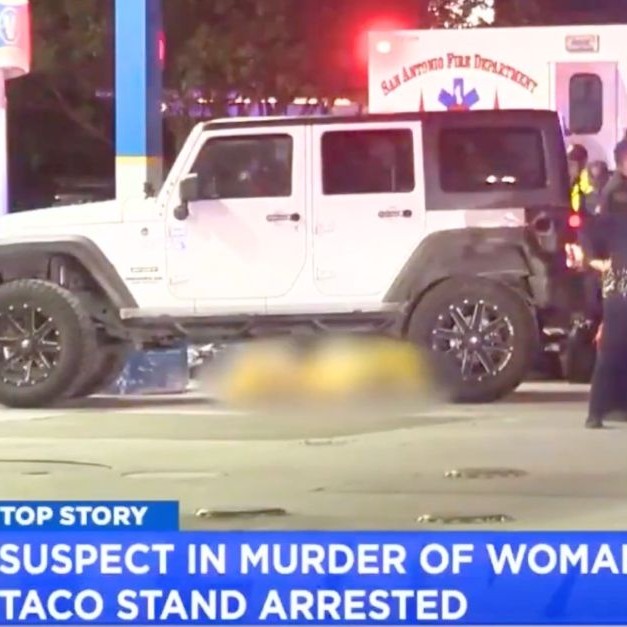
The case centers on the killing of 33-year-old Norman Eugene Carter III on April 23rd, 2024, outside a home on North Minnesota Avenue in Wichita, Kansas. According to KAKE, officers arrived around 12:15 p.m. after reports of a shooting and found Carter with multiple gunshot wounds to his upper body.
Carter, a father of one, was taken to a nearby hospital, where he died of his injuries. His obituary notes that the shooting took place on his birthday and that he had recently turned 33, underscoring the abrupt, violent end to what family members describe as a devoted life.
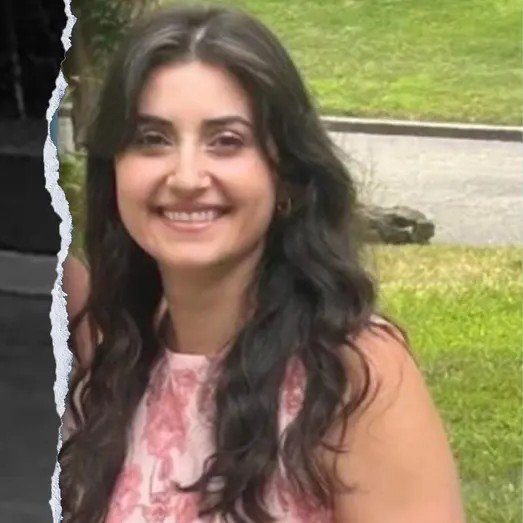
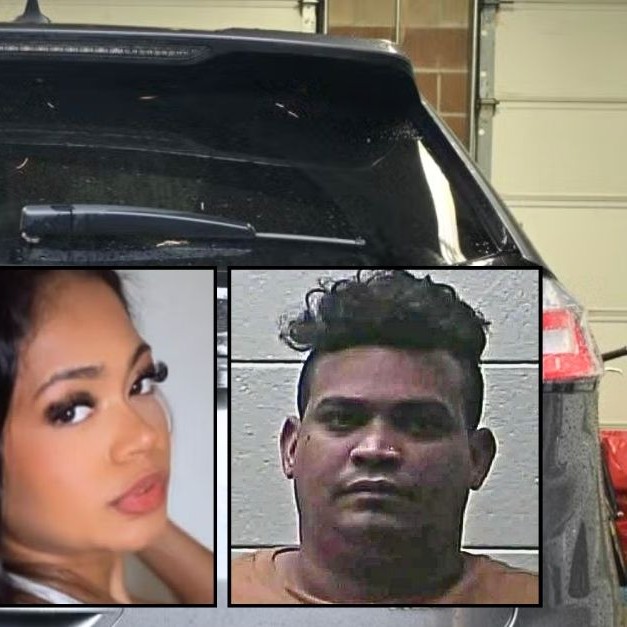
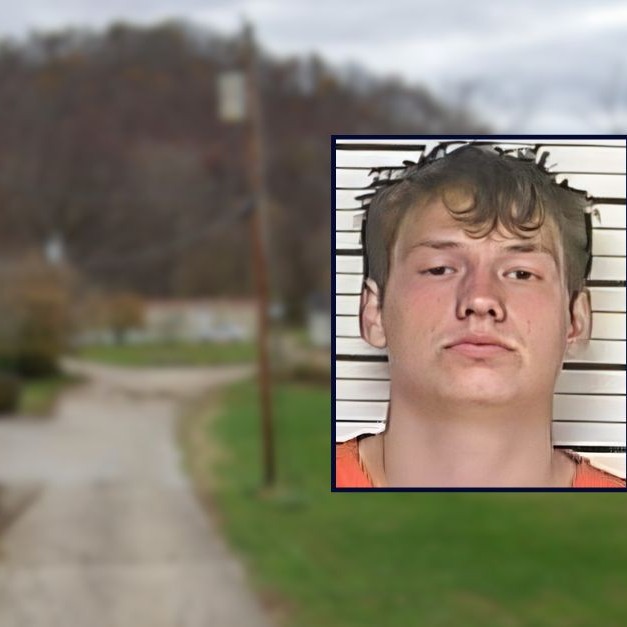
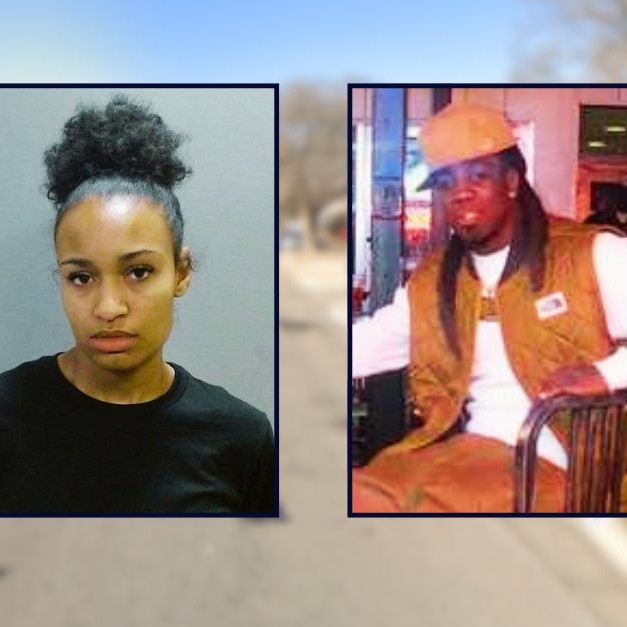
Inset photographs show Amunique Cavitt in a booking photo and Norman Carter III from an obituary, set against the Wichita neighborhood where the shooting occurred.
Allegations Inside the Jeep
According to a probable cause affidavit described by KSN-TV, Cavitt told investigators that the couple had been arguing earlier that morning as they drove together in a Jeep. She alleged that Carter slapped her, struck her several times in the head, and tried to strangle her while they were in the vehicle.
Officers documented scratches on Cavitt’s neck but no other visible injuries, according to the affidavit. The limited physical evidence, compared with her description of being beaten and strangled, became one of several points where her account did not fully align with the records now available.
The affidavit and charging documents, reported by Law and Crime and other outlets, state that the Jeep eventually stopped near the intersection of North Minnesota Avenue and 13th Street. Carter got out of the vehicle, and at least one witness later told police it appeared Cavitt tried to run him over after he stepped away from the SUV.
Investigators say Cavitt then left the Jeep, produced a handgun, and fired multiple rounds at Carter. According to the charging document obtained by The Wichita Eagle and summarized in Law and Crime’s coverage, the gunfire continued even after Carter was on the ground. Officers later recovered seven shell casings from the grass near his body.
In an online obituary, relatives described Carter as “very talented, creative, passionate, and smart” and emphasized that he “loved his daughter more than anything.” They wrote that his young daughter was the light in his eyes and that he would remain her angel.
From First-Degree Charge to Second-Degree Conviction
Police arrested Cavitt later that afternoon and booked her into the Sedgwick County Jail. According to KAKE, prosecutors initially charged her with one count of first-degree murder, and a judge set bond at $1 million, which kept her in custody throughout the pretrial proceedings.
Court records reported by KSN-TV and Law and Crime indicate that the case eventually went to a jury trial in Sedgwick County District Court. Jurors were instructed on the charged count of first-degree murder and on the lesser option of second-degree murder, which in Kansas covers intentional killings that do not require proof of premeditation.
In December 2025, after hearing testimony about the argument in the Jeep, the alleged strangling, and the witness accounts of the shooting on North Minnesota Avenue, the jury found Cavitt guilty of second-degree murder rather than the more serious first-degree charge.
At a sentencing hearing in February 2026, the court ruled that the 21-year-old defendant would serve 13 years and nine months in prison, according to the Sedgwick County District Attorney’s Office statement cited by Law and Crime. The sentence reflects a significant period of incarceration for Cavitt and a formal finding that her actions met the legal definition of murder.
What the Public Record Reveals and Omits
The available affidavits, charging documents, and obituary offer glimpses into both the violence and the people involved, but they do not resolve every question about what happened inside the Jeep before the final shots were fired. Much of the interaction between Cavitt and Carter occurred without independent witnesses, leaving investigators to rely on her statements, any physical evidence, and, later, testimony at trial.
Police records, as described in local reporting, show that officers noted only modest visible injuries on Cavitt despite her detailed claims of being beaten and strangled. Witnesses, meanwhile, reported seeing her use the Jeep in a way that appeared aggressive and then continue shooting even after Carter was on the ground, evidence that supported prosecutors’ argument that the killing was intentional rather than purely defensive.
The jury’s decision to reject the original first-degree charge while still convicting Cavitt of murder underscores how fact finders often navigate competing narratives in intimate-partner violence cases. Without access to a full trial transcript, the public record does not explain how jurors weighed her allegations of abuse against the physical and eyewitness evidence of how Carter died.
What is clear from the filings and the obituary is that two intertwined realities now coexist. Kansas courts have classified the killing of Norman Carter III as second-degree murder by Amunique Cavitt, and his family has chosen to remember him as a devoted father and creative presence. The legal case is formally closed at the trial level, but the unanswered questions about what led up to the shooting will continue to live outside the courtroom record.