


Case overview
On December 28, 1993, 9-year-old Katie Beers disappeared after being taken to a local arcade by John Esposito, a family friend, in Bay Shore, New York. For 17 days, authorities searched for the missing girl while Esposito publicly participated in the search effort. Katie was found alive on January 13, 1994, locked inside a 6-by-7-foot concrete bunker beneath Esposito’s home.
The day Katie disappeared
Katie Beers lived in a household marked by neglect and instability. On her ninth birthday, December 28, 1993, John Esposito, a 43-year-old family acquaintance who had been part of Katie’s life for years, told her godmother, Linda Inghilleri, that he was taking Katie to the Spaceplex arcade in Nesconset to celebrate. Inghilleri, who had legal custody of Katie, allowed the trip.
When Katie did not return that evening, Esposito called Inghilleri and claimed Katie had been abducted by a man in a white van at the arcade. He said he had been with her when it happened. Inghilleri contacted police, and a missing persons investigation began.
The public search and Esposito’s performance
In the days following Katie’s disappearance, Esposito participated in televised press conferences and search efforts. He appeared emotional, made public appeals for Katie’s safe return, and repeated his account of the white van abduction. Investigators treated him as a witness and pursued leads based on his story.
No physical evidence supported the white van narrative. Surveillance footage from the arcade did not show Katie entering the building that day. Witnesses did not corroborate Esposito’s version of events. Detectives began scrutinizing his timeline and noticed inconsistencies in his statements.
What investigators uncovered
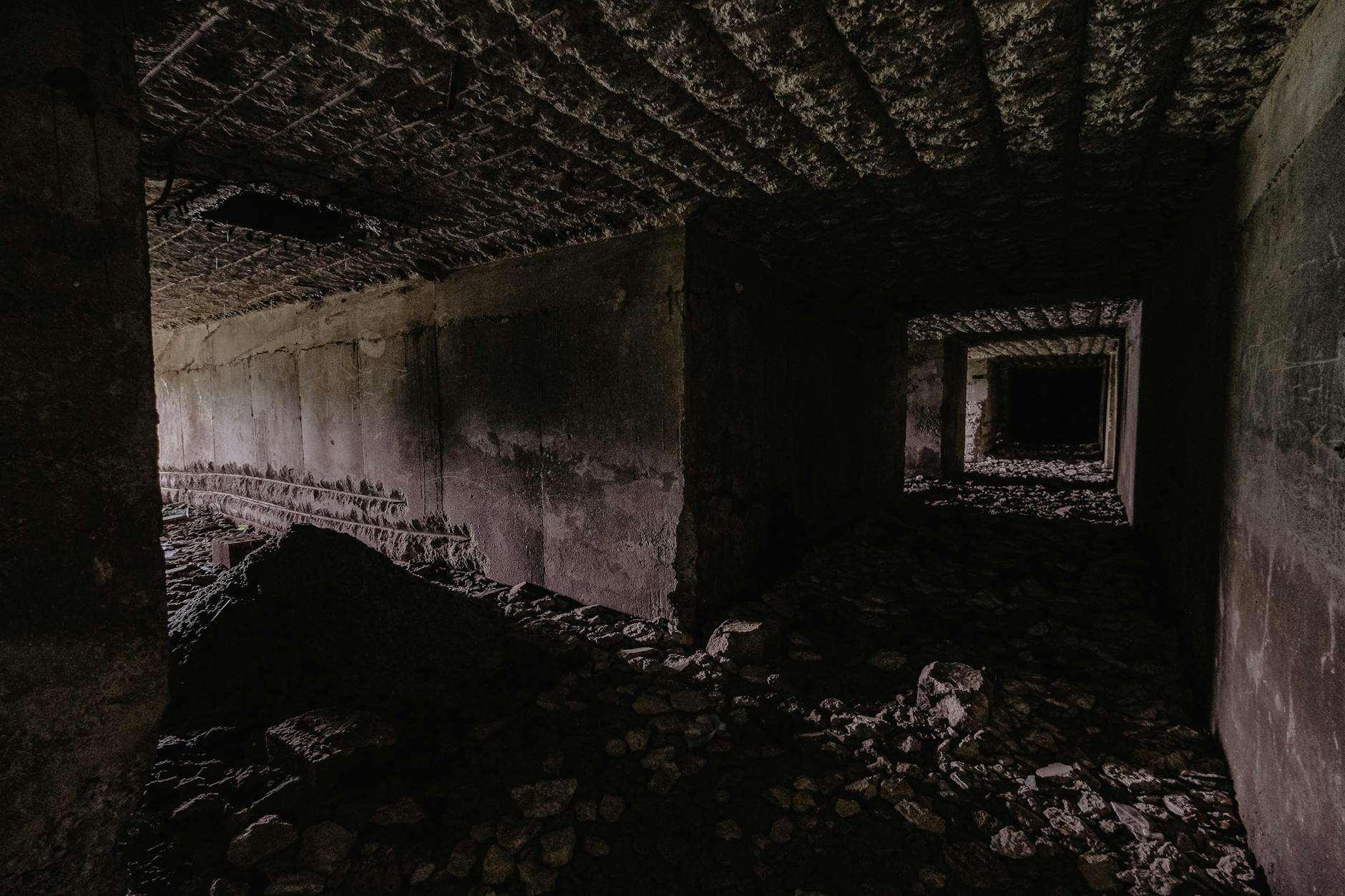
Suffolk County detectives obtained a search warrant for Esposito’s home on January 13, 1994. The residence in West Bay Shore contained a garage and basement area that raised immediate suspicion. During the search, investigators discovered a concrete bunker hidden beneath a 200-pound steel and concrete trap door in the garage floor.
Inside the bunker, they found Katie Beers alive. She had been held in the small, soundproofed chamber for 17 days. The space was equipped with a television, a chemical toilet, and minimal supplies. Katie told investigators that Esposito had lured her into the garage under the pretense of showing her a surprise, then trapped her in the bunker and locked the door from above.
Esposito was arrested at the scene. He initially denied involvement but later admitted to the kidnapping. The bunker had been constructed in advance, indicating premeditation. Prosecutors determined that Esposito had planned the abduction and prepared the confinement space before taking Katie from her home.
The charges and trial
John Esposito was charged with kidnapping in the first degree. During court proceedings, evidence showed that Esposito had sexually abused Katie both before and during her captivity. Additional charges were filed, including multiple counts of sexual abuse and endangering the welfare of a child.
In 1995, Esposito pleaded guilty to kidnapping and sexual abuse charges. He was sentenced to 15 years to life in prison. He remains incarcerated and has been denied parole multiple times, most recently in 2023.
Katie’s background and ongoing harm
The investigation into Katie’s disappearance also revealed the severe neglect and abuse she had experienced before the kidnapping. Her biological mother, Marilyn Beers, and her godmother, Linda Inghilleri, were both investigated for their roles in Katie’s care. Both women were found to have subjected Katie to prolonged neglect and physical abuse.
Court records documented that Katie had been living in unsafe and unstable conditions. Inghilleri, who had legal custody, allowed Esposito regular access to Katie despite concerns raised by others. After Katie’s rescue, she was placed in foster care and later adopted.
Outcome and legal resolution
Katie Beers survived her captivity and has since spoken publicly about her experience. In 2013, she published a memoir detailing the abuse she suffered before and during her kidnapping, as well as her recovery and life after the case. She has described the years of trauma inflicted by the adults responsible for her care and the process of rebuilding her life.
The case prompted scrutiny of child welfare systems and the failure of multiple adults and institutions to intervene on Katie’s behalf. Esposito’s conviction and continued incarceration closed the criminal case, but the broader questions about how Katie’s abuse went unaddressed for years remain part of the public record.
Where to look next
- Documentary: “Buried in the Backyard” (Oxygen)
- Book: “Buried Memories: Katie Beers’ Story” by Katie Beers
- Podcast: “Katie Beers” (“Casefile True Crime”, Casefile Presents)