

More than 1,000 items labeled as potential biological and hazardous materials have been removed from a Las Vegas home, yet authorities have not publicly said what any of them are. The search has drawn federal attention because the property owner is already at the center of a separate unauthorized biolab case in California, while his attorney insists he has nothing to do with what was found in Nevada.
According to the Las Vegas Metropolitan Police Department, SWAT officers served a search warrant at a residence on the east side of the city after a tip about a suspected biological laboratory operating inside the home. The materials were largely confined to a locked garage, and officials have repeatedly stressed that they do not believe there is a current threat to the public, even as testing continues.
Las Vegas Home Becomes Crime Scene
Police officials said the search warrant was carried out on a Saturday after investigators received information suggesting that laboratory work involving biological substances was taking place inside the residence. Sheriff Kevin McMahill, who heads the Las Vegas Metropolitan Police Department, told reporters during a Monday briefing that officers approached the scene as a potential hazardous materials incident.
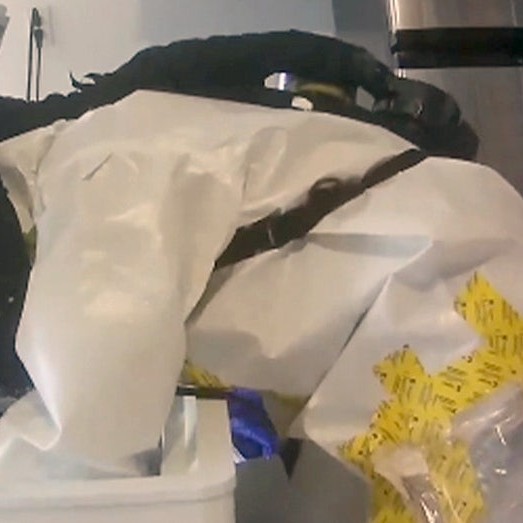
According to McMahill, a police robot was used to enter the house, collect air samples, and confirm that officers could safely proceed. Hazardous materials teams then entered to remove items from the property. Inside the attached garage, investigators reported finding multiple refrigerators containing vials of unknown liquids, larger containers filled with unidentified liquids, a centrifuge, and other laboratory equipment.
In a written statement, police said that more than 1,000 items of evidence were seized from the property, including materials that appeared to be biological in nature. Those items were collected and shipped to laboratories operated by the Federal Bureau of Investigation for analysis. Officials have not publicly described any of the substances or said whether any pathogens have been identified.
“Some of that evidence included biological material and liquids that were meticulously collected and sent to FBI labs for testing,” the department stated.
Despite the volume of material removed, authorities have said there is no indication that the surrounding community was exposed to dangerous agents. As of early February, they had not announced any charges in Nevada related to biological weapons, public health violations, or biosafety laws. The investigation, they said, remains open.
FBI JUST RAIDED A LAS VEGAS HOME TIED TO JIA BEI ZHUhttps://t.co/ykaq6yKeRj
THE SAME GUY HAD AN ILLEGAL BIOLAB IN CALIFORNIA 2 YEARS AGO
TURNED OUT TO BE A “BIOLAB” WITH BIOWEAPONS
TRENDING 30M AGO
THE LAB HAD COVID, HIV, MALARIA, EBOLA, AND MORE… pic.twitter.com/tCbZWU9S5D
— OnchainPlato (@OnchainPlato) February 3, 2026
Property Manager Faces Hazardous Waste Charges
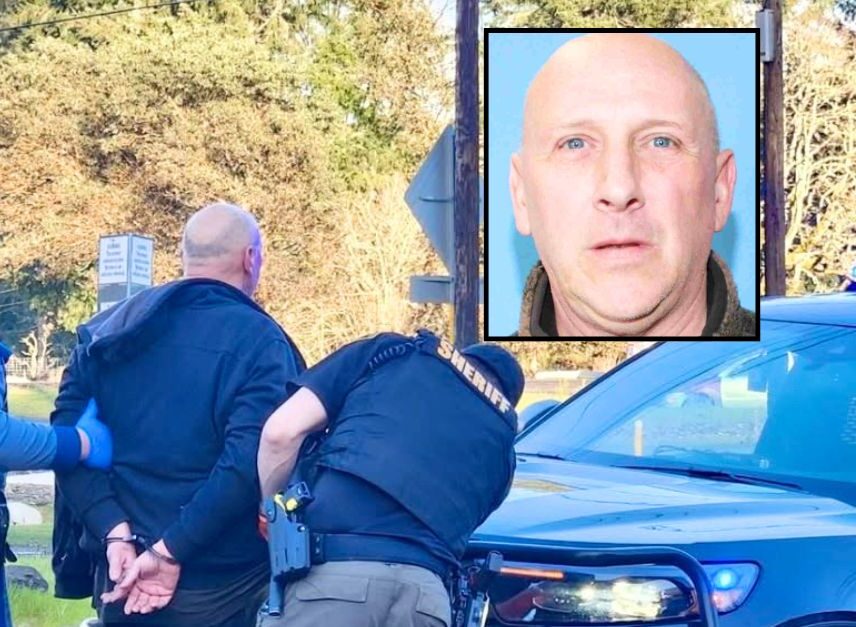
The person first taken into custody in the Las Vegas case was not the home’s owner, but the property manager. Police identified him as 55-year-old Ori Solomon. According to booking records described by local officials, Solomon was arrested and jailed at the Clark County Detention Center on state charges of disposing of and discharging hazardous waste.
Authorities have not released a detailed charging document describing what specific conduct led to those counts. State hazardous waste laws typically cover the improper storage, disposal, or release of materials that pose a risk to health or the environment. Investigators have not alleged that Solomon operated a biological laboratory himself, nor have they publicly described his relationship to the substances seized in the garage.
Solomon, like any defendant, is presumed innocent unless and until proven guilty in court. Prosecutors will have to show that he knowingly handled or allowed the improper disposal of hazardous waste if they intend to move forward with the case as booked. It is not yet clear whether additional state or federal charges will be filed as testing results come back from the FBI.
Police and federal agents have declined to say whether the hazardous waste allegations relate to biological agents, to chemical hazards such as solvents, or to a mixture of materials. That lack of specificity keeps the scope of the alleged misconduct unclear, even as the case has attracted national attention because of who owns the home.
Link to Reedley Biolab Owner Raises Stakes
Investigators identified the owner of the Las Vegas residence as Jia Bei Zhu, a businessman already in federal custody in connection with a separate unauthorized laboratory discovered in Reedley, California, in 2023. The Reedley case emerged after a city code enforcement officer noticed a garden hose extending from a warehouse and, during a subsequent inspection, found a large quantity of laboratory and manufacturing equipment inside.
According to city officials and federal filings cited in news reports, that California facility contained medical-grade freezers, manufacturing devices, and approximately 1,000 transgenic mice used in disease research. Workers at the site told authorities that the mice were genetically engineered for COVID-19 research, although federal regulators have not publicly confirmed the scope or legitimacy of that research.
Federal prosecutors later charged Zhu in connection with the California operation. In that case, he faces allegations that he manufactured and distributed misbranded medical devices, including tests for COVID-19, pregnancy, and HIV, without required approvals and licenses, and that he made false statements to the Food and Drug Administration. Court records indicate he is scheduled to go on trial in April.
Separately, a report by the House Select Committee on the People’s Republic of China identified Zhu, 62, as a citizen of the PRC and described him as a wanted fugitive in Canada. The committee alleged that he had close ties to elements of the Chinese government and that he participated in a transnational criminal enterprise accused of stealing millions of dollars in intellectual property from United States companies.
Those claims about Zhu’s alleged connections to the Chinese state and to broader criminal activity come from a congressional investigation, not from a criminal verdict. Zhu has not been convicted on those specific allegations, and congressional reports do not carry the same evidentiary standards as court proceedings. Still, the House committee’s findings have intensified concern in Washington about privately run laboratories that operate outside standard regulatory channels.
Defense Denies Any Las Vegas Role
While the connection between the two properties is clear on paper, Zhu’s defense team has distanced him from the Las Vegas discovery. His attorney, Anthony Capozzi, said that Zhu is not involved in any laboratory activity at the Nevada home.
“He is not involved in any kind of a biolab being conducted in a home in Las Vegas,” Capozzi said. “What went on in that residence, we are unaware of.”
Capozzi’s statement underscores a key unresolved question: whether the Las Vegas site is functionally related to the alleged activity in Reedley or is simply another property owned by the same person. Public records tie Zhu to the house, but investigators have not yet outlined who used the garage space, who purchased or handled the equipment, or what, if any, instructions came from the owner.
For now, Zhu faces no additional charges in Nevada tied to biological materials. His immediate legal risk remains centered on the federal case in California, where prosecutors will attempt to prove that he ran a business that flouted medical device regulations and misled federal regulators. Any findings that emerge from the Las Vegas investigation could later influence prosecutors’ decisions, but that remains speculative until test results and investigative reports are made public.
Testing, Secrecy, and Public Risk
The Las Vegas case sits at an intersection of local environmental enforcement, federal biosafety concerns, and geopolitical anxieties about foreign-linked research operations. Yet much of what matters most to public health remains undisclosed. Police have said that FBI laboratories are analyzing the seized materials, but they have not shared any preliminary results or indicated when testing might be complete.
Officials have also declined to say whether the items found in the garage resemble materials removed from the Reedley facility, such as commercial test kits, research reagents, or samples related to disease studies. Without that detail, it is not possible from public information to determine if the Las Vegas site was operating as an unlicensed medical device warehouse, a small research lab, an attempted copy of the California operation, or something else entirely.
At the same time, law enforcement leaders insist that there is no evidence of a widespread threat. The materials were contained within the property, and responders used protective equipment and remote tools to minimize risk while removing them. No evacuations or shelter-in-place orders were reported in the surrounding neighborhood.
That message, that there is no immediate danger, sits beside the reality that an unusual collection of biological and hazardous materials has now been found at two properties tied in different ways to the same man. For residents and policymakers, the unresolved questions include how many similar operations may exist, how effectively current regulations detect them, and what accountability will look like if testing confirms serious biosafety or environmental violations.
The next procedural steps will play out on at least two tracks. In Nevada, investigators will review laboratory reports, complete interviews, and determine whether to seek additional charges beyond the hazardous waste counts already booked against the property manager. In California, federal prosecutors and Zhu’s defense team are preparing for a trial that will test the government’s claims about misbranded devices and regulatory deception.
Until more information is released about what, exactly, was stored in the Las Vegas garage, the case will remain defined by its gaps: a crime scene full of unknown liquids, a defendant already facing federal charges elsewhere, and a set of allegations about foreign ties that have yet to be fully tested in court.
Sources
- Associated Press: Chinese-Linked Biolab Discovered in Las Vegas Home Sparks Federal Investigation
- U.S. House Select Committee on the People’s Republic of China: Report on Reedley Biolab and Jia Bei Zhu
- U.S. Department of Justice: Indictment of Jia Bei Zhu for Misbranded Medical Devices