Case overview
Gareth Williams, a 31-year-old British intelligence officer on assignment with MI6, was found dead inside a padlocked duffel bag in the bathtub of his London apartment in August 2010. A coroner ruled the death was likely criminally caused, but Scotland Yard later concluded Williams probably died alone in an accident. The conflicting findings, along with questions about missing evidence and delayed discovery, have left the case unresolved.
The discovery
On August 23, 2010, two colleagues from MI6 entered Williams’s ground-floor flat in Pimlico after he failed to appear at work for over a week. They found his decomposing body curled inside a red North Face duffel bag in the bathtub. The bag was padlocked from the outside. The key to the padlock was inside the bag, beneath Williams’s body.
The heating had been left on despite the summer weather, accelerating decomposition. A post-mortem examination could not establish a definitive cause of death due to the condition of the remains. No injuries, drugs, or signs of poisoning were detected. Pathologists estimated he had been dead for up to nine days before he was found.
The investigation and conflicting conclusions
Metropolitan Police opened a murder investigation. Detectives noted that the bag had been locked from the outside and that Williams had been placed inside in a fetal position. Investigators conducted tests to determine whether someone could lock themselves inside a similar bag. After multiple attempts by professional contortionists and escape artists, none succeeded in replicating the scenario without external help.
In May 2012, coroner Fiona Wilcox delivered a narrative verdict stating that on the balance of probabilities, Williams had been killed unlawfully. She cited the lack of evidence that he could have locked himself inside the bag and the absence of his DNA on the padlock or the rim of the bathtub. Wilcox also raised concerns about the delay in reporting Williams missing and suggested that the intelligence community may have hindered the investigation.
Scotland Yard continued its review. In November 2013, Detective Chief Superintendent Hamish Campbell issued a statement concluding that Williams’s death was likely accidental. Campbell suggested that Williams, who had accessed bondage and claustrophilia websites on his computer, may have died during a solo sexual act gone wrong. The revised conclusion acknowledged the unusual circumstances but argued that no evidence of third-party involvement had been found.
The disputed evidence
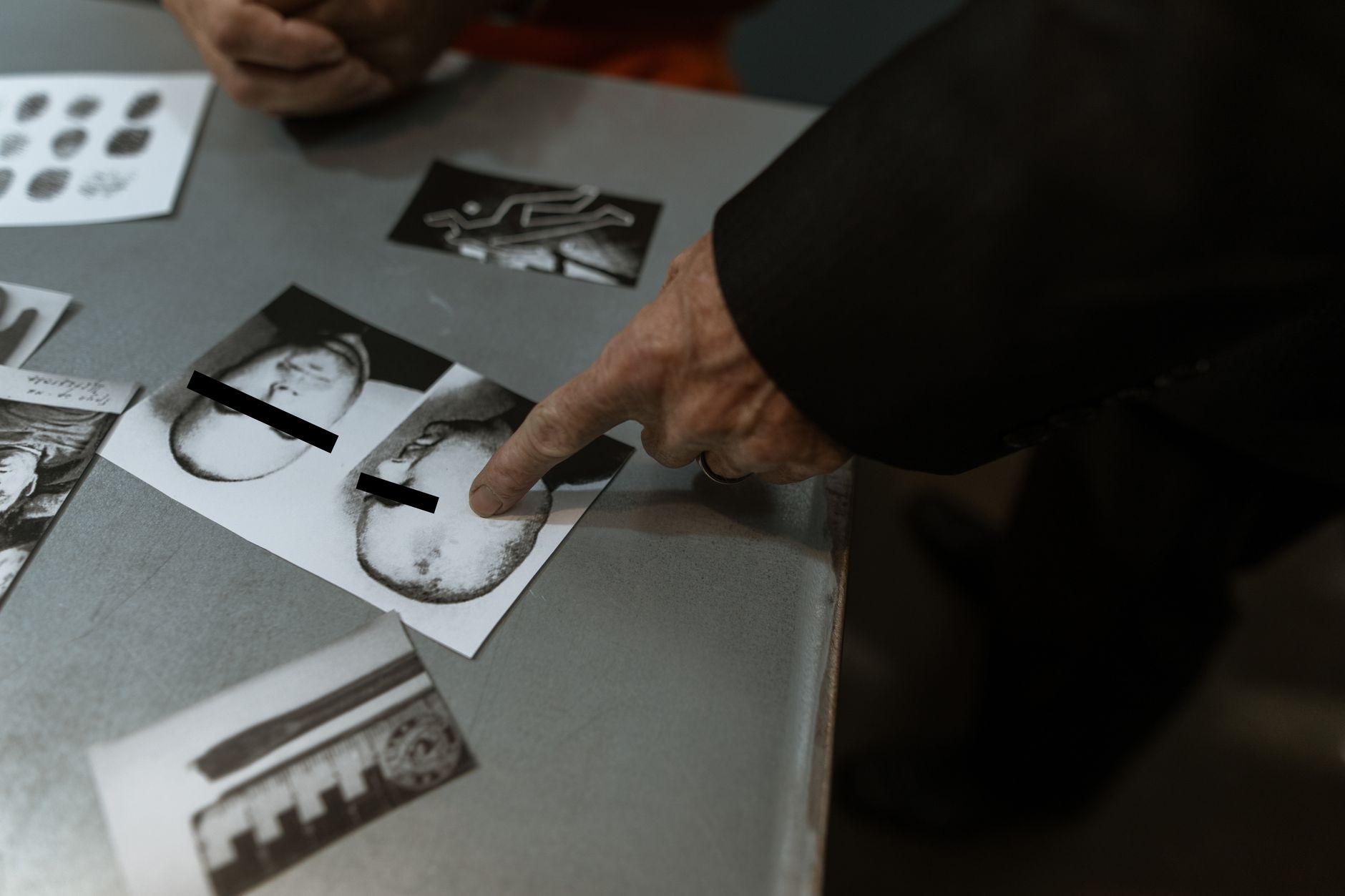
Several details fueled disagreement between investigators and the coroner. Forensic teams found no fingerprints on the bath, the bag’s zipper, or the padlock, despite the lack of evidence that the scene had been wiped clean. Trace amounts of unidentified DNA were recovered from the bag, but no match was found in criminal databases. That DNA has never been explained.
Williams’s belongings included women’s clothing and wigs found in his flat, purchases made in the months before his death. Police believed the items were for personal use, though no independent confirmation of their intended purpose was established. There were no signs of forced entry, no disturbance inside the apartment, and no evidence of a struggle.
Williams’s work phone had been wiped and reset shortly before his death, but police could not determine who performed the reset or why. His personal phone showed no outgoing calls or messages in the days leading up to his death. No CCTV footage showed anyone entering or leaving the building during the estimated window of death.
The intelligence angle
Williams worked as a cipher and codes expert for GCHQ, Britain’s signals intelligence agency, and had been temporarily assigned to MI6. His work involved sensitive cryptographic projects, and he held high-level security clearance. His family questioned whether his death could be connected to his classified work, but no evidence supporting that theory was presented during the inquest.
The coroner criticized both MI6 and the police for delays in reporting Williams missing and for failing to investigate why he had not shown up to work. Williams had not been seen or heard from for at least seven days before his body was found, yet his absence was not formally escalated until colleagues forced entry into his flat.
Metropolitan Police stated there was no evidence that a foreign intelligence service or any third party was involved. No suspect was ever identified, and no arrests were made.
What remains unresolved
The case remains officially open, though no active investigation is ongoing. Metropolitan Police maintain that Williams’s death was likely an accident, while the coroner’s determination of unlawful killing has not been withdrawn. The central dispute revolves around whether the physical evidence supports the conclusion that Williams locked himself inside the bag without assistance.
No explanation has been provided for the unidentified DNA, the absence of Williams’s prints on the lock and bag, or the reset of his work phone. Williams’s family publicly rejected the police conclusion and have continued to call the circumstances of his death suspicious.
In 2021, an internal review by Scotland Yard reaffirmed the 2013 conclusion, stating that while the death was highly unusual, there was insufficient evidence to support a criminal investigation. No new forensic analysis has been conducted since that review.
Where to look next
- Documentary: “Gareth Williams: Spy Found Dead in a Bag” (Sky News)
- Documentary: “Death in a Locked Room” (Channel 4)
- Book: “The Spy Who Came in from the Cold War” by Andy McNab