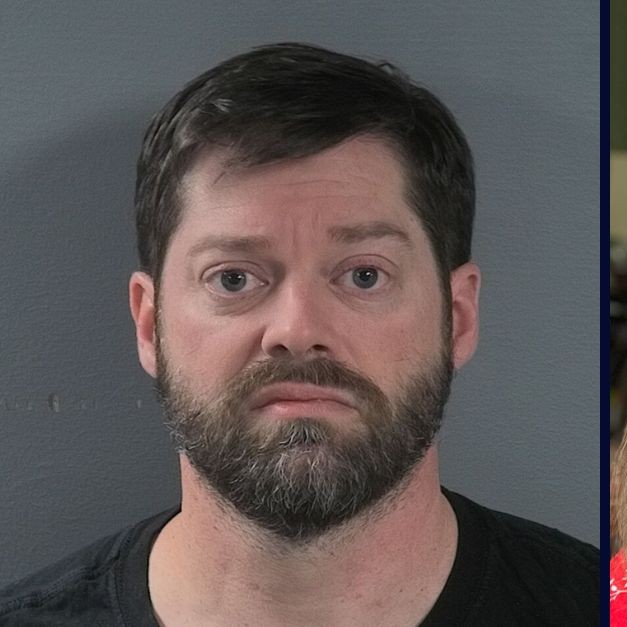



In a new wrongful-death lawsuit filed in Greene County, the parents of 24-year-old George Lubrano allege Mercy Hospital Springfield left their diabetic son in an emergency room waiting area for hours as his breathing worsened, raising unresolved questions about how staff assessed his escalating symptoms.
TLDR
The parents of 24-year-old George Lubrano have filed a wrongful-death lawsuit alleging Mercy Hospital Springfield left him untreated in an emergency room waiting area for nearly five hours as diabetic ketoacidosis advanced, while the hospital says it is working with the family toward a resolution.
The complaint centers on events of December 16th, 2024, when Lubrano, who had diabetes, arrived at the Springfield hospital’s emergency department. According to the legal petition, he reported vomiting, lower back spasms, and a critically high blood sugar reading above 500. He died that evening at 6:01 p.m., with the petition describing the cause as complications of diabetic ketoacidosis.
In the filing, Lubrano’s parents accuse the hospital and two named clinicians of failing to provide timely and appropriate care. They argue that staff misinterpreted their son’s repeated reports that he could not breathe, documented his condition as hyperventilation, and delayed moving him from the waiting area to a treatment room while his condition deteriorated.
Family’s Lawsuit Alleges Missed Warning Signs
The petition, filed in Greene County Circuit Court, describes a series of encounters between Lubrano and nursing staff in the hours before his death. The parents say hospital records show he arrived at the emergency room around 1:30 p.m. with signs consistent with diabetic ketoacidosis, including severe hyperglycemia and gastrointestinal distress.
According to the lawsuit, Lubrano remained in the waiting area for more than four hours without being evaluated by a physician. During that time, the filing states, he repeatedly told nurses that he was struggling to breathe and felt extremely weak.
The petition recounts an incident at about 2:43 p.m., when Lubrano allegedly called out that he could not breathe. It states that a nurse documented his lung sounds as clear and attributed the episode to hyperventilation. Around 3:30 p.m., according to the complaint, he again had trouble breathing and was once more described as simply hyperventilating.
The legal filing also cites hospital records that, the parents say, showed his blood glucose level documented as beyond the high range of the emergency department’s parameters, with a note that he needed to go back to a room as soon as possible. Despite that notation, the petition alleges he remained in the waiting area.
None of these claims have been tested in court. At this stage, they remain allegations by the family, based on their reading of hospital documentation and their lawyer’s investigation.
Disputed Timeline in ER Waiting Room
The core of the case is a disputed timeline of what happened between 1:30 p.m. and 5:35 p.m. on December 16th, 2024. Lubrano’s parents say that during those nearly four hours, their son showed clear signs of an advancing medical emergency that did not prompt the response required by accepted standards of care.
At approximately 4:30 p.m., the petition alleges, Lubrano was still in the waiting area and told nurses he felt weak while his personal blood sugar monitor was beeping and malfunctioning. About 10 minutes later, according to the filing, he reported that his insulin pump had not been working for more than 45 minutes, and staff noted that he was breathing rapidly, had a dry mouth, and was having difficulty speaking.
Around 5:30 p.m., the petition states, Lubrano again complained of difficulty breathing and an extremely dry mouth. At approximately 5:35 p.m., he was brought from the waiting area to a treatment room, still without having been examined by a doctor, according to the complaint.
Once in the room, his condition allegedly worsened quickly. The petition describes him making gurgling sounds, losing his pulse, becoming unresponsive, and going into cardiac arrest. A hospital code was called, and a physician attempted to resuscitate him.
The lawsuit says the resuscitation effort included CPR, multiple rounds of intravenous epinephrine, and an airway intubation that was initially placed in the esophagus instead of the airway. The parents argue that both the delay in moving him from the waiting room and the airway placement error contributed to the fatal outcome.
Hospital records described in the petition have not been released publicly in full, and Mercy Hospital has not laid out its own detailed account of the timeline. The hospital is expected to respond formally through the court process.
Medical Standards for Diabetic Ketoacidosis
Diabetic ketoacidosis, often referred to as DKA, is a serious complication of diabetes that develops when the body lacks enough insulin. According to the Mayo Clinic, acids called ketones build up in the bloodstream and can become life-threatening if left untreated. Typical symptoms include nausea or vomiting, abdominal pain, rapid or labored breathing, extreme thirst, frequent urination, fatigue, and confusion.
The parents’ petition argues that Lubrano arrived at the hospital with what they describe as classic clinical signs of advanced diabetic ketoacidosis. They point to his reported breathing difficulties, very high blood glucose, dry mouth, and inability to speak easily as indicators that warranted immediate intervention.
In their filing, they assert that the applicable standard of care required cardiac monitoring, prompt intravenous access, and aggressive fluid resuscitation as soon as staff recognized those signs. The petition concludes that Lubrano instead waited untreated in the waiting area for nearly five hours, despite showing symptoms they say should have prompted urgent treatment.
The complaint contrasts the hospital’s alleged response with mainstream medical guidance that diabetic ketoacidosis can often be reversed within hours with timely fluids, insulin, and monitoring. It cites the Mayo Clinic’s description of DKA as a condition that is dangerous when ignored but manageable when addressed early.
Those contentions will likely be central to the case, which may turn on expert testimony about how a reasonably prudent emergency department would triage and treat a patient with Lubrano’s presentation, as well as whether any delays or errors are legally linked to his death.
Hospital Response and Legal Stakes Ahead
Beyond the main petition, Lubrano’s parents submitted what Missouri law refers to as a letter of merit, written by a physician who reviewed the medical records related to the emergency department visit. That doctor backed the family’s position that the hospital’s care did not meet professional standards.
“It is my opinion that Mercy Hospital, through their physicians, assistants, nurses, technicians, and other care providers, failed to use such care as a reasonably prudent and careful health provider would have used under similar circumstances,” the letter states. It adds that this alleged failure “directly caused or directly contributed to cause harm and the subsequent death of George Lubrano.”
The lawsuit names Mercy Hospital Springfield as a defendant, along with a doctor and a nurse practitioner who were involved in Lubrano’s care. The parents argue that, had “good, safe, and timely medical choices” been made, their son would not have experienced the chain of events that ended in his death.
Mercy Hospital did not provide a detailed response to the specific allegations when contacted by Law & Crime. However, according to a statement the hospital gave to the Springfield Daily Citizen, which was quoted in Law & Crime’s reporting, a spokesperson said, “We extend our heartfelt prayers and condolences for this family’s devastating loss. We have and will continue to work with the family and their counsel to work toward a resolution.”
The hospital’s statement does not address the described waiting room timeline, the characterization of Lubrano’s breathing as hyperventilation, or the allegation of an initially misplaced intubation. Those issues are likely to be examined through discovery, depositions, and expert reports if the case proceeds toward trial.
At this point, no trial date has been publicly reported. The defendants are expected to file answers or motions challenging the legal sufficiency of the claims. The case could eventually be resolved through a settlement, dismissed by a judge, or decided by a jury.
More broadly, the lawsuit touches on ongoing concerns about emergency department crowding, triage decisions, and how staff distinguish anxiety or hyperventilation from life-threatening respiratory distress. For Lubrano’s parents, the immediate question is narrower and more personal. They are asking a Missouri court to determine whether the care their son received on December 16th, 2024, met the legal standard and whether different decisions in that waiting room might have changed the outcome.