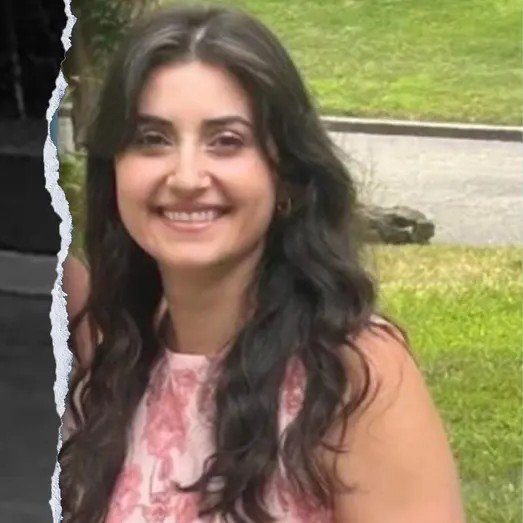


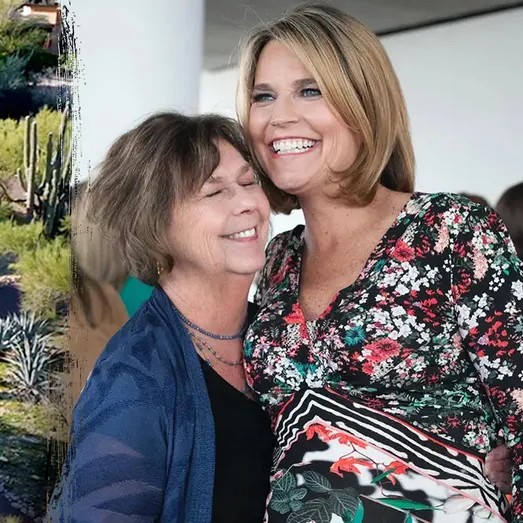
The abduction of 84-year-old Nancy Guthrie from her Tucson-area home has prompted an intensive search and a parallel debate over how safe affluent retirement enclaves truly are for older residents who live alone, often out of public view.
TLDR
Authorities say 84-year-old Nancy Guthrie was taken from her Catalina Foothills home near Tucson on February 1st, 2026, triggering a multi-agency search. The case has raised wider questions about how isolation, gated communities, and assumptions about low crime affect senior safety.
Guthrie, a retired Arizona resident and mother of television host Savannah Guthrie, lived in the Catalina Foothills, a suburban area outside Tucson with high property values, a median age in the mid-50s, and many homes set back on large, less visible lots, according to Fox News reporting on census data.
What Investigators Have Publicly Described
Fox News, citing local authorities, reported that Guthrie was taken from her home in the early hours of February 1st, 2026, in what investigators are treating as an abduction. A multi-agency search, including local law enforcement and the FBI, has reportedly produced few public leads.
Coverage has referenced an FBI-distributed doorbell image tied to the investigation, a neighbor who recalled a suspicious man walking nearby two weeks before the disappearance, and the use of a neighborhood camera app to gather potential video. Fox News has also reported that Guthrie’s family, through Savannah Guthrie, offered a $1 million reward for her recovery. Authorities have not publicly identified a suspect or a clear motive, and significant portions of the investigative timeline remain undisclosed.
Affluent, Aging, and Out of Sight
The Catalina Foothills area is described as a retirement destination with a median home value above $600,000 and a population of roughly 53,000, many of them older adults. Fox News, citing census data, reported that many residences, including Guthrie’s, sit on acres of land that are not visible from the road, which can lengthen response times and reduce casual oversight by neighbors or patrols.
Nationally, people over 65 experience lower rates of violent victimization than younger adults, according to U.S. Department of Justice research summarized in the Fox reporting. Yet the Guthrie case illustrates that when serious crimes do occur in low-crime, higher-income pockets, they can be harder to detect quickly, particularly where neighbors are spread out, seasonal, or unfamiliar with one another.
Gated Communities and a False Sense of Security
Security consultant and retired NYPD detective Mike Sapraicone told Fox News that offenders may deliberately seek out wealthier, low-crime communities by weighing potential rewards against perceived risks. He argued that some residents rely heavily on gates, guards, or reputation rather than on basic precautions. As he put it, “They feel that they do not have to lock their doors, they do not have to worry about things or that nobody is going to bother them, but it is just the opposite.”
Sapraicone also pointed to factors that can make older adults more vulnerable. In gated or retirement communities where residents are part-time, do not know each other well, or maintain highly predictable routines, it can be easier for someone to study patterns and identify who lives alone, who displays signs of wealth, and when homes are unoccupied. He told Fox News that embarrassment about aging or fear of being seen as less capable can keep seniors from reporting earlier crimes, creating opportunities for repeat targeting.
Reporting Gaps and Community Responses
Fox News, paraphrasing Sapraicone, reported that some seniors may hesitate to tell family members or police about thefts or harassment, either because they question their own memory or because they worry relatives will doubt their ability to live independently. That reluctance can limit the warning signs available to investigators long before a high-profile case emerges.
In Guthrie’s disappearance, authorities have turned to digital tools such as doorbell footage and neighborhood sharing apps, according to Fox reporting, reflecting how modern investigations increasingly depend on private cameras and voluntary cooperation. Sapraicone urged neighbors to be more active in informal checks on each other, warning that “Bad guys will always take an opportunity if it is in front of them. Do not give them the opportunity.” For now, however, the central questions in the Guthrie case, who took her, how they accessed her home, and whether anyone witnessed critical moments, remain publicly unanswered.
Guthrie’s case sits at the intersection of an aging population, rising private security, and persistent gaps in community connection. Whether investigators identify a suspect and how they describe that person’s planning and access will likely influence how other affluent communities think about isolation, visibility, and the quiet risks faced by older residents living alone.