

TLDR
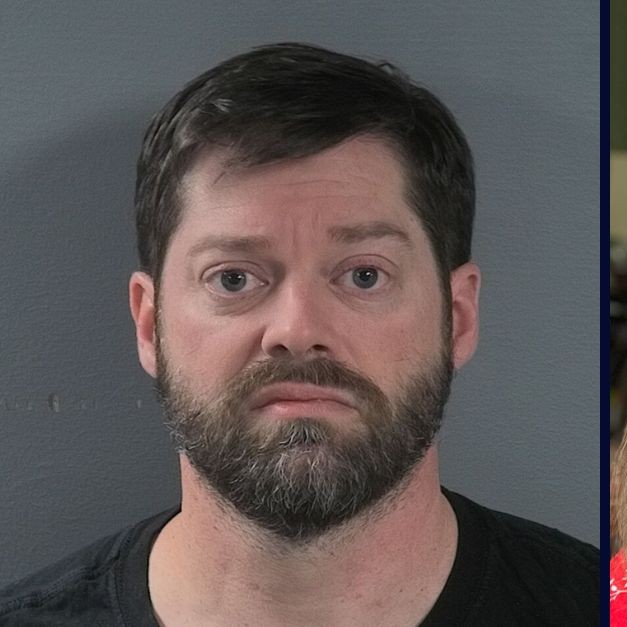
New Jersey defendant Christopher Blevins received a 17-year prison sentence after pleading guilty to first-degree aggravated manslaughter in the killing of his girlfriend, Laura Hughes, whose body was found in a refrigerator left in Belleplain State Forest.
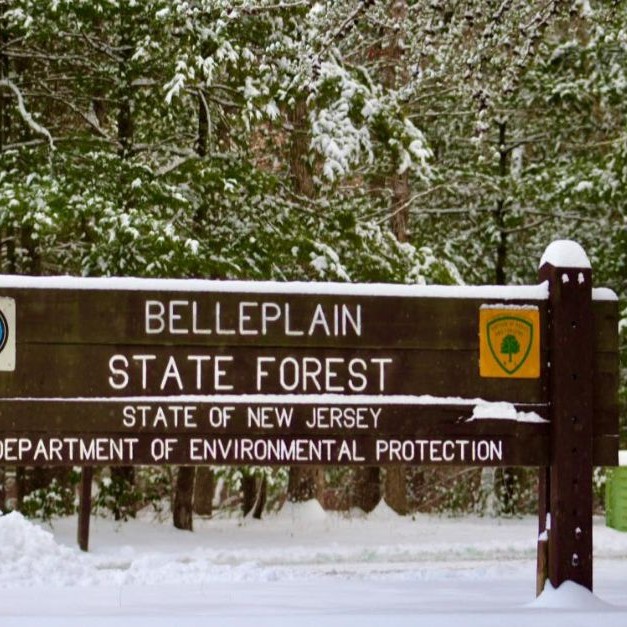
Clockwise images show the Belleplain State Forest entrance sign, a photo of Laura Hughes, and sketches of distinctive tattoos authorities used to help identify the body, later confirmed as hers.
Plea Deal and Sentencing
According to Law & Crime, 46-year-old Blevins pleaded guilty in October to first-degree aggravated manslaughter in the death of 50-year-old Laura Hughes. Court records cited by the outlet and NJ.com show he had initially been charged with first-degree murder, a more serious offense, before prosecutors agreed to drop that count as part of a plea agreement. A New Jersey judge then sentenced him to 17 years in state prison, a term that falls below the decades-long maximum that a murder conviction could have carried.
At sentencing, Hughes’ former partner, Cornel Alston, described the lasting impact on the couple’s two daughters, including a younger teen who now refers to herself as a secondary victim of homicide. Addressing Blevins in court, Alston said, according to NJ.com, that although no prison term could restore Hughes’ life, “you should never be able to walk among the free.” Blevins, for his part, apologized and told the court, “I do not know why it happened. I wish I could do things differently, in that I just left.” His statement accepted responsibility while framing the killing as not intentional, a characterization prosecutors did not adopt in their earlier murder charge.
Discovery in State Forest and Flight South
Hughes’ remains were found inside a refrigerator in Belleplain State Forest in Cape May County, according to a probable cause affidavit described by NJ.com and earlier Law & Crime coverage. Before the victim was identified, New Jersey State Police released a public bulletin describing the woman as a short adult with two distinctive tattoos, along with a yoga mat and a necklace recovered near the scene. Investigators asked for the public’s help in matching the tattoos and items to a missing person, which eventually helped lead to Hughes’ identification.
The affidavit, summarized by local outlet Breaking AC, alleges that Blevins brought the refrigerator with Hughes’ body into the forest on July 24th, 2024. Investigators said automated license plate readers captured images of his green Dodge Ram pickup truck carrying what appeared to be a refrigerator on two separate trips toward the area. The same truck, which police said was solely driven by Blevins, was later recorded crossing into Mexico on August 2nd, 2024. Breaking AC reported that Blevins turned himself in to Mexican authorities on August 27th, 2024, and allegedly told investigators he had panicked after a violent incident in New Jersey and even suggested he might have killed another person during a bar fight. Those reported comments, which extend beyond the Hughes case, have not resulted in publicly reported additional charges.
Domestic Violence History and Impact on Family
Authorities said Blevins and Hughes had a history of domestic violence, as well as drug and alcohol abuse, according to Law & Crime’s review of investigative documents. That background placed the killing within a pattern of prior conflict, although detailed accounts of earlier incidents have not been released in charging papers made public so far. The aggravated manslaughter plea acknowledges a reckless killing under New Jersey law, rather than a premeditated murder, yet the alleged effort to conceal Hughes’ body and leave the country is central to how police and prosecutors reconstructed what happened.
Hughes left behind two daughters. A GoFundMe page organized on their behalf describes the family’s needs in the aftermath of the crime, including cremation expenses and a memorial tree in her name, along with educational costs for the girls. The organizer writes that the death has left the children facing grief and uncertainty, and that any remaining funds will help them stay in school and cover basic needs. Alston told the court he fears the day Blevins is released and that his daughters may one day encounter the man convicted in their mother’s death on an ordinary sidewalk, underscoring how the legal sentence does not fully resolve their safety concerns.
Blevins’ 17-year sentence closes the primary criminal case surrounding Hughes’ killing, but many details, including what happened in the moments before her death, remain known only through his limited statements and the physical evidence described in affidavits. For Hughes’ family, the formal punishment marks an end to the courtroom phase, not to the enduring consequences of a homicide that took place out of public view and was uncovered only through a refrigerator left in a state forest.
References
- Law & Crime: Man Who Killed Mom Of 2 Stuffed Her Body In A Refrigerator And Drove Remains In The Bed Of His Pickup Truck To A Remote State Forest Is Headed To Prison
- NJ.com: Man Charged In Disappearance Of Body Found In Refrigerator In NJ Forest, Documents Show
- Breaking AC: Boyfriend Drove Remains To Belleplain Forest
- New Jersey State Police: Public Assistance Requested To Identify Woman Found In Belleplain State Forest
- GoFundMe: Aid For Grieving Daughters Of Laura Hughes