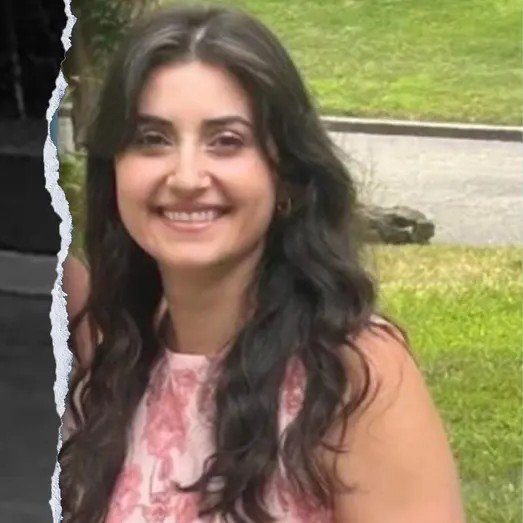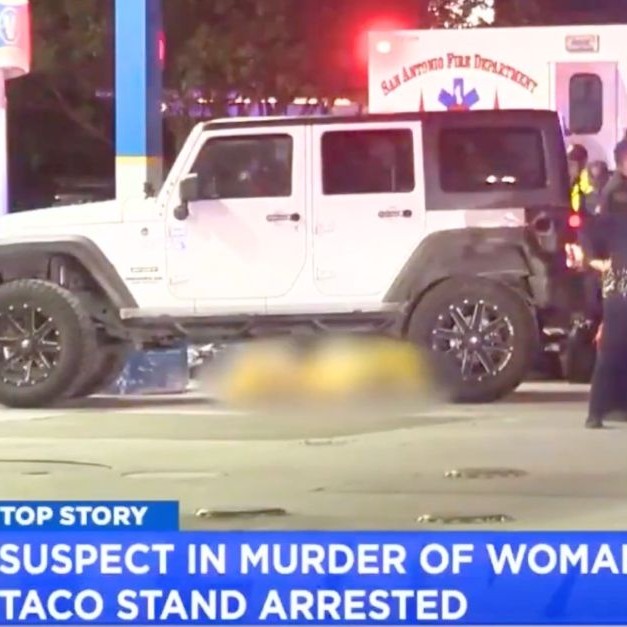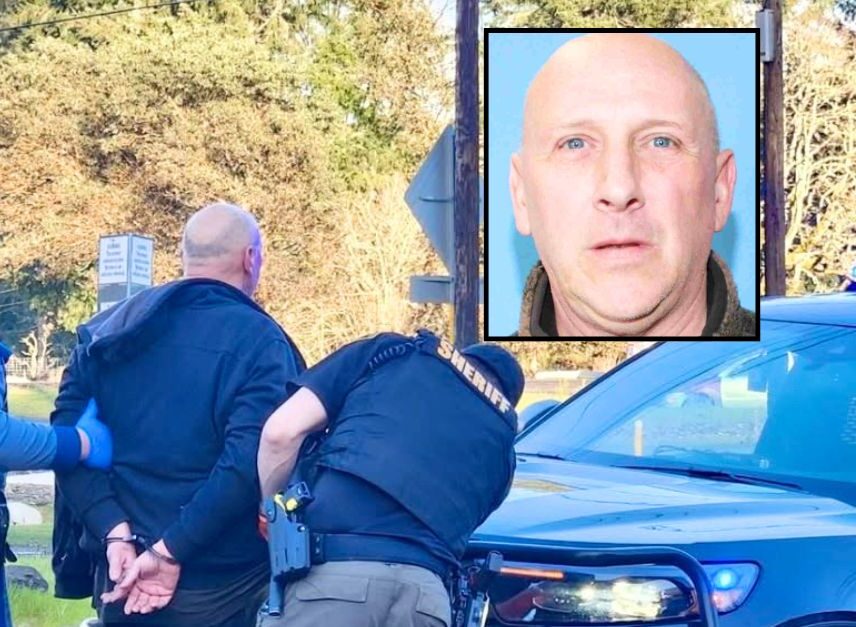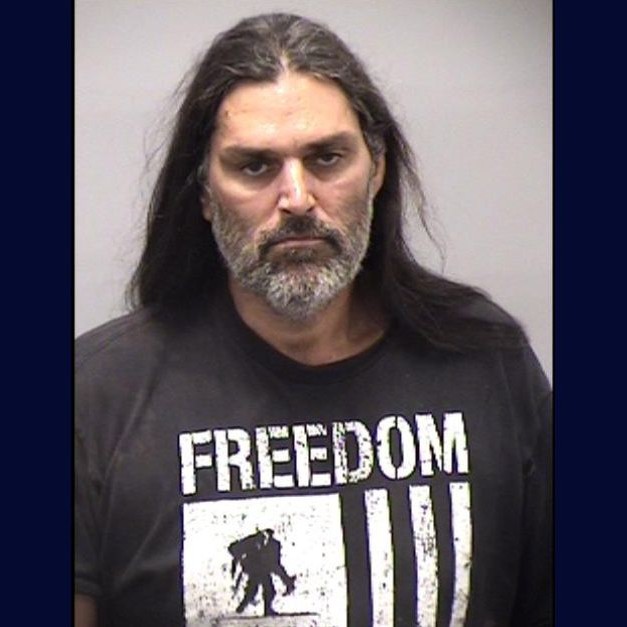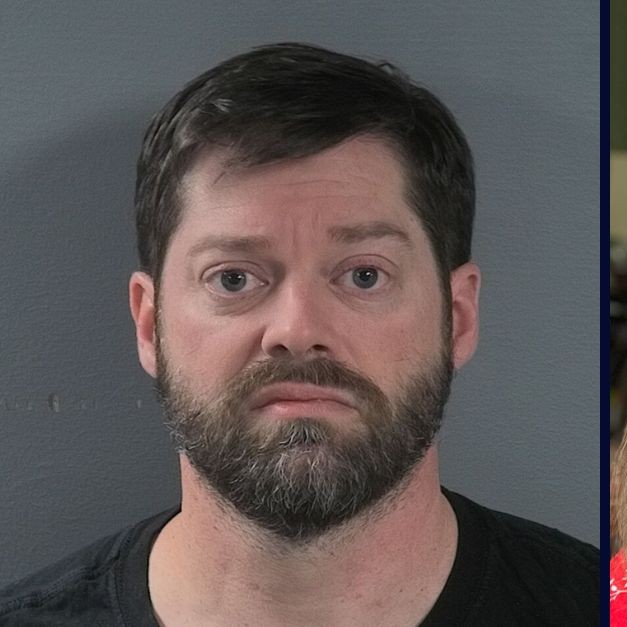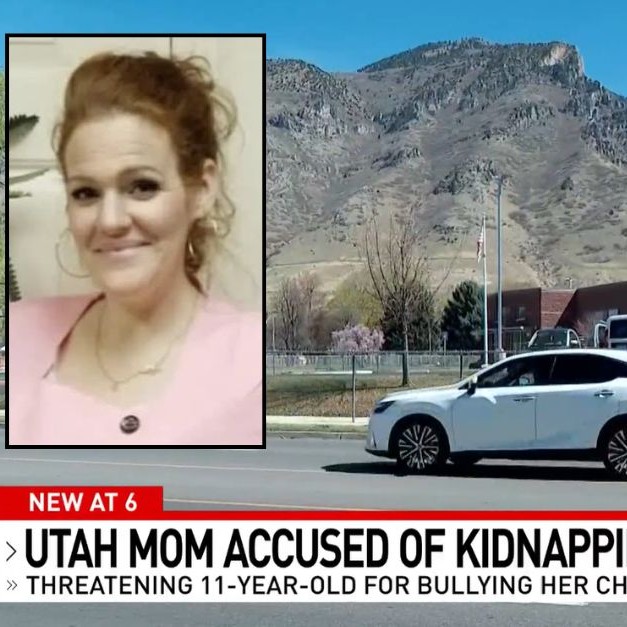



Two young mothers vanished on a rural stretch of highway on their way to a child’s birthday visit. Months later, the grandmother, tied to a bitter custody fight, stood in an Oklahoma courtroom and accepted a plea that will keep her in prison for life, while four other people still face capital charges.
A Birthday Visit That Never Happened
According to investigators and court records, Veronica Butler, 27, and her friend, 39-year-old pastor’s wife Jilian Kelley, left southern Kansas on March 30, 2024, to drive into the Oklahoma panhandle. Butler had a court order granting her Saturday visitation with her two children, who lived in rural Texas County, Oklahoma. Law&Crime’s earlier coverage reported that Kelley was one of several people approved by a judge to supervise those visits.
The women never arrived. Authorities later found their abandoned vehicle at the intersection of Highway 95 and Road L in Texas County, near the Kansas border. Reporting by Law&Crime states that early evidence at the scene led investigators to treat the disappearance as suspicious and to suspect foul play.
For more than two weeks, law enforcement searched remote farm and ranch land. According to Oklahoma State Bureau of Investigation statements summarized in earlier news reports, that search ended when the remains of both women were located in rural Texas County.
From Custody Fight to Capital Case
The missing persons case quickly intersected with a long-running custody dispute. Butler shared two children with the adult son of Tifany Machel Adams, an Oklahoma grandmother from Cimarron County. Court records and family accounts reported by Law&Crime describe a contentious legal battle over where the children would live and who would supervise contact.
Relatives told reporters that Adams, her boyfriend Tad Bert Cullum, and the couple Cora and Cole Earl Twombly identified with an anti-government group they called “God’s Misfits.” Law&Crime later reported that Adams also served as the Republican Party chair in Cimarron County, citing Oklahoma GOP chair Nathan Dahm.
According to the criminal complaints summarized in court records, investigators allege that Adams and several associates intercepted Butler and Kelley as they drove to pick up the children. Prosecutors say the group forced the women from their vehicle, abducted them, and ultimately killed them in connection with the custody dispute. Those allegations have now been tested against Adams in court, but they remain unproven against several co-defendants who still await trial.
The Plea That Ended in Life Without Parole
Oklahoma court records in the Texas County case CF-2024-00072 show that 56-year-old Adams entered a plea of no contest in October 2025 to six felony counts. The online docket lists two counts of first-degree murder, two counts of unlawful removal of a dead body, and two counts of unlawful desecration of a human corpse.
In exchange for that no-contest plea, three additional counts were dismissed. Those dropped charges were a conspiracy count and two counts of child neglect, according to the same court records.
A no-contest plea, also known as nolo contendere, results in a conviction but differs slightly from a straightforward guilty plea. As Law&Crime explained, in such a plea, “a defendant does not admit guilt, but acknowledges that prosecutors have enough evidence to secure a conviction.” The judge then treats the plea the same as a guilty plea for purposes of sentencing.
In early February 2026, local CBS affiliate KFDA reported that the judge sentenced Adams to spend the rest of her life in state custody. KFDA’s coverage states that Adams received life without the possibility of parole for the murders of Butler and Kelley.
BREAKING NEWS: Tifany Adams will spend the rest of her life in prison for the 2024 killings of two Kansas moms Veronica Butler and Jilian Kelley.
Read more: https://t.co/SQguE22KfM pic.twitter.com/kDk9sacYAs
— KSN News Wichita (@KSNNews) February 2, 2026
The state’s sentencing recommendation and any statements from the families at that hearing had not been fully published in available online records. What is clear from the docket and local reporting is that Adams will not return to the community, and that the plea spared her a contested jury trial on a potential capital sentence.
Co-defendants and Cooperation Agreements
Although Adams’ case has concluded, four other people remain charged in connection with the deaths of Butler and Kelley. Charging documents and subsequent reporting identify them as:
Tad Bert Cullum: Adams’ boyfriend, charged with first-degree murder, kidnapping, and conspiracy to commit murder.
Cora Twombly: Charged with the same counts as Cullum.
Cole Earl Twombly: Cora’s husband, also charged with first-degree murder, kidnapping, and conspiracy to commit murder.
Paul Grice: Age 31 at the time of charging, facing the same counts.
Two of those defendants have entered cooperation agreements with the state. KFDA and Kansas outlet KWCH reported that both Grice and Cora Twombly signed plea deals that required them to testify about the killings. Their December 2025 testimony provided the most detailed public account so far of what prosecutors believe happened after Butler and Kelley disappeared from the highway.
Under his agreement, KFDA reported that Grice will not face the death penalty. In Cora Twombly’s case, the station said she must serve 30 years in prison before she can seek parole. Those terms suggest prosecutors view both as key witnesses whose cooperation could strengthen the state’s case against the remaining defendants.
Death Penalty Challenge and Trials Ahead
At least two defendants, Cullum and Cole Twombly, still face possible capital punishment. Their cases are on separate tracks.
KFDA reported that Cullum’s trial is currently scheduled to begin on October 16 in Texas County District Court. According to that station, his defense team has filed a motion asking the judge to bar the death penalty entirely in his case, calling it “cruel and unusual punishment.” That phrase, drawn from the Eighth Amendment to the U.S. Constitution, signals an intent to challenge not just the evidence but the ultimate sentence available to jurors.
Cole Twombly’s trial, by contrast, was not expected to begin until February 2027, according to the same set of reports. That longer timeline reflects both the complexity of capital litigation and the ripple effects of multiple co-defendants entering plea deals on staggered schedules.
None of the remaining defendants has been convicted at this point in the process. All are presumed innocent unless and until a jury finds otherwise or a court accepts a plea. Their trials are expected to test the credibility of the cooperating witnesses, the strength of the physical and forensic evidence gathered from the highway and burial sites, and the prosecution’s theory that a custody dispute and anti-government ideology converged to motivate planned violence.
What Remains Unclear
The available public record explains how prosecutors say Butler and Kelley were targeted and killed, but several key issues remain unresolved outside the courtroom. The precise planning conversations among group members, the role each defendant allegedly played once the women were forced from their vehicle, and the full extent of any ideological or religious influences have mostly surfaced only through secondhand summaries of plea testimony.
As further hearings and trials move forward, more primary evidence is likely to enter the public record through exhibits and sworn testimony. For now, one participant has accepted a life-without-parole sentence based on a no-contest plea, two others have traded detailed cooperation for the chance to avoid or eventually outlive prison, and two more are preparing to ask jurors to disregard the state’s version of a crime that began on a routine drive for a child’s birthday visit and ended in a field on the Oklahoma panhandle.