


A knife inside a New York hospital and what police called an officer-involved shooting. Almost everything else about the encounter is still out of public view.
What Police Say Happened
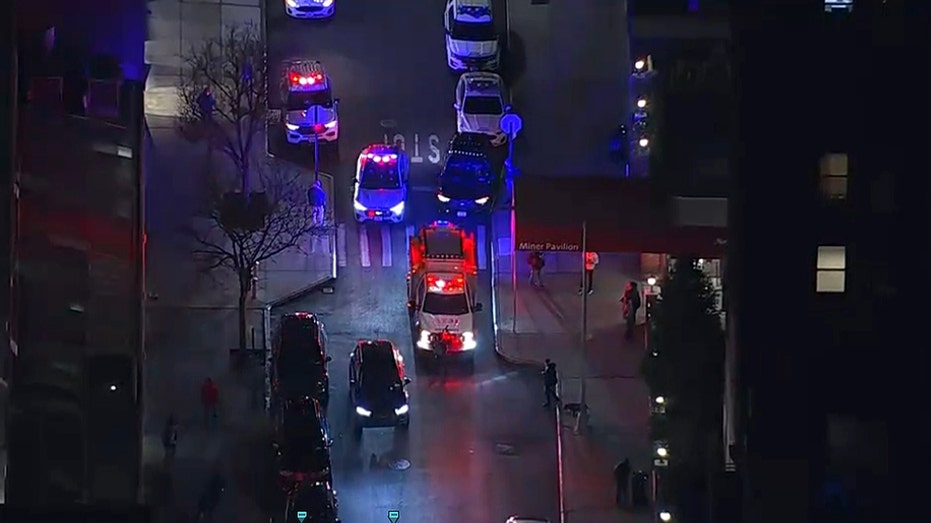
According to a brief report from Fox News Digital, an officer-involved shooting took place inside NewYork-Presbyterian Brooklyn Methodist Hospital in Brooklyn. A law enforcement source told the outlet that a person inside the hospital was armed with a knife and that hospital security called for help from law enforcement.
At the time of that report, the identity of the person described as the suspect had not been released. Their medical condition also had not been disclosed. Fox News Digital did not indicate whether any officers, hospital employees, patients, or visitors were injured.
Publicly, the New York Police Department addressed only the disruption outside the hospital. In a post on X, the NYPD asked people to avoid the area around 6th Street and 7th Avenue in Brooklyn, writing that it was “due to a police investigation.” The account added, “Expect delays and heavy traffic in the surrounding area.”
The NYPD is investigating a police-involved shooting inside an NYC hospital, according to sources.
Here are the latest updates: https://t.co/DWwSvnN0ou pic.twitter.com/2ITjLvPRRC
— PIX11 News (@PIX11News) January 8, 2026
The hospital itself did not provide details about the events inside. According to the Fox News report, hospital representatives directed all questions to the NYPD.
What Remains Unclear
Based on the limited public statements, several key facts are still unknown.
First, officials have not publicly confirmed who fired a weapon, how many shots were fired, or who, if anyone, was struck. The phrase officer-involved shooting generally refers to an incident in which a law enforcement officer discharges a weapon or is fired upon. It does not, by itself, specify who pulled a trigger or whether injuries occurred.
Second, there is no official public description yet of the encounter that preceded the shooting. As of the latest available reporting, police have not released information about where in the hospital the knife was allegedly displayed, how many people were present, whether any attempts at de-escalation were made, or how long officers were on scene before a shot was fired.
Third, authorities have not publicly described the knife that was reportedly involved. Details such as the type of knife, whether it was being used to threaten others, or whether it was taken from hospital equipment can matter in later use-of-force reviews, but those specifics have not been shared.
Finally, there is no public information yet about body-worn camera footage. The NYPD has equipped patrol officers with body cameras for several years, and the department has a policy for releasing footage from critical incidents. In practice, however, the timing and scope of those releases can vary, and there is no indication so far of when or whether video from this encounter will be made public.
How NYPD Reviews Officer-Involved Shootings
While the facts of this specific case are still emerging, the investigative framework around it is more established.
The NYPD conducts internal reviews of shootings and other serious uses of force. According to the department’s publicly available use of force reports, each firearms discharge is examined to determine whether it complied with NYPD policy and state law. These reviews typically involve the Force Investigation Division, the involved officers’ commands, and the Firearms Discharge Review Board.
Separately, the New York State Office of the Attorney General may have a role. Under New York Executive Law section 70-b, the Attorney General’s Office of Special Investigation is authorized to investigate incidents in which a person dies during an encounter with law enforcement or while in custody, including cases involving firearms. The Attorney General’s office explains that it “investigates every incident in which a police officer or a peace officer may have caused the death of a person” in New York State, regardless of whether the person was armed, and that it can prosecute when appropriate (source).
In cases where there is no death, investigations are usually handled internally by the NYPD and, at times, by local prosecutors. A district attorney’s office can review an officer-involved shooting to determine whether any criminal laws were violated, even if the person who was shot survives.
Hospitals themselves may also conduct internal reviews, especially when a weapon is introduced into a clinical setting. Those reviews are typically not public but can result in changes to security procedures, staff training, or coordination protocols with law enforcement.
Why A Shooting Inside A Hospital Raises Extra Scrutiny
Officer-involved shootings tend to draw public scrutiny in any setting. When they occur inside medical facilities, there are additional stakes.
Hospitals hold large numbers of patients who may not be able to move quickly or protect themselves, along with visitors and staff. Weapon discharges in such spaces increase the risk that unintended people will be harmed. The Joint Commission, a major hospital accrediting body, has highlighted the need for clear policies on managing armed individuals in healthcare settings and on coordinating with police when force may be used inside a facility.
NewYork-Presbyterian Brooklyn Methodist Hospital is a major institution in Park Slope that serves patients from across Brooklyn. Its website describes a wide range of services and notes its busy urban emergency departments and inpatient units (source). Any use of firearms in such an environment is likely to prompt questions from patients, staff, and neighborhood residents about what happened and whether protocols were followed.
In past incidents around the country, families of patients have pressed officials for timelines that explain when police were called, what options were considered before weapons were drawn, and how bystanders were protected. Advocates often focus on the availability of mental health interventions, especially in hospitals where clinical resources are already present on site.
What Transparency Could Look Like
For this Brooklyn case, transparency would likely start with basic clarifications from the NYPD and hospital leadership.
Key points the public often seeks in similar incidents include:
Item 1: A clear, chronological account of events, including when the person with the knife was first noticed, when security intervened, and when police arrived.
Item 2: Information on any attempts at verbal negotiation or less-lethal options before a firearm was used.
Item 3: Confirmation of injuries, including the condition of the person described as the suspect and whether any bystanders or officers were hurt.
Item 4: Details on body camera footage, including whether cameras were active and when any recordings might be released.
Item 5: An outline of which agencies are investigating, what their roles are, and how findings will be made public.
In other New York cases, city officials have sometimes released edited compilations of body-worn camera footage along with 911 calls and radio transmissions. Those releases are often accompanied by written summaries that explain what investigators believe happened and which questions remain open. How much of that approach will be applied here is not yet known.
What We Know, What We Do Not
At this stage, the confirmed public record is narrow. There was an officer-involved shooting at NewYork-Presbyterian Brooklyn Methodist Hospital. A knife was reportedly involved. Police warned people to avoid nearby streets and anticipate traffic delays “due to a police investigation.” The hospital has referred all questions to the NYPD.
Absent are details about who was shot, how serious any injuries are, and why deadly force was used in a building full of patients. Whether investigators will eventually release body camera footage, internal reports, or a full timeline of the encounter remains an open question.