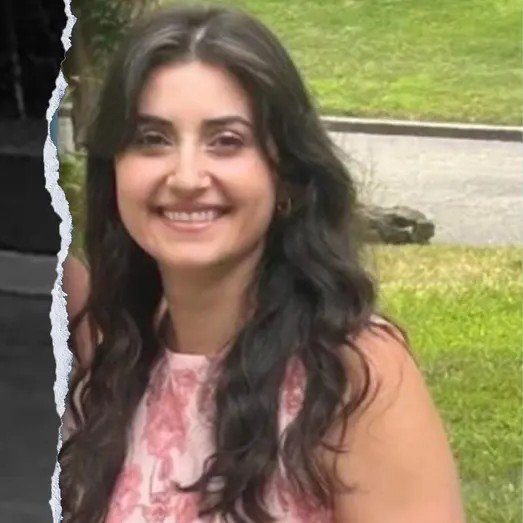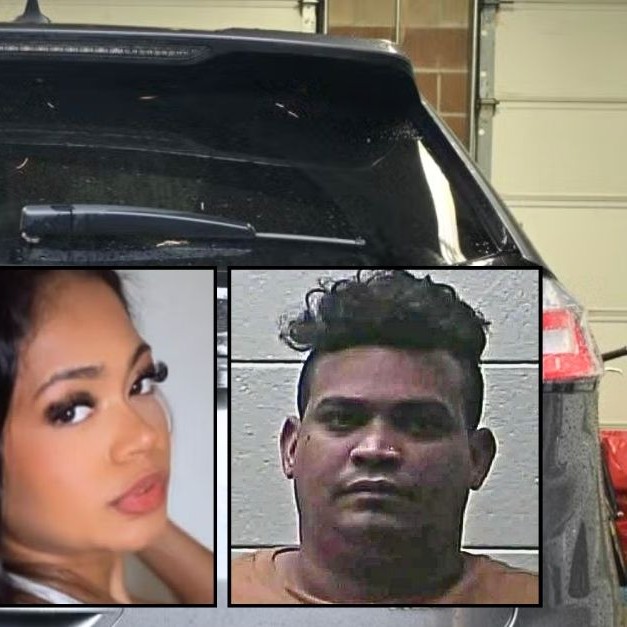


According to reporting by Fox News Digital, the guarded apartment belonged to Michael McKee. He is the ex-husband of Monique Tepe and is now charged in Ohio with killing Monique and her husband, dentist Spencer Tepe, inside their Columbus home.
Allegations In Columbus, Arrest In Illinois
Court records cited by Fox News Digital identify McKee as the former spouse of 39-year-old Monique Tepe. She and her husband, 37-year-old dentist Spencer Tepe, were found dead with gunshot wounds in their home in Columbus, Ohio. Both deaths are being treated as homicides.
An earlier report from Fox News described Columbus police initially searching for the person responsible after the couple were discovered shot to death while their children were found safe inside the home, and published a basic timeline of events.
Another Fox News Digital story quoted a brother-in-law of the slain dentist, who said a 911 call that dispatchers labeled as a domestic dispute did not come from Monique, but from a party guest instead. The article stated that the brother-in-law said the “domestic dispute” 911 call came from a guest, not the wife, and that account has not been publicly contradicted by authorities.
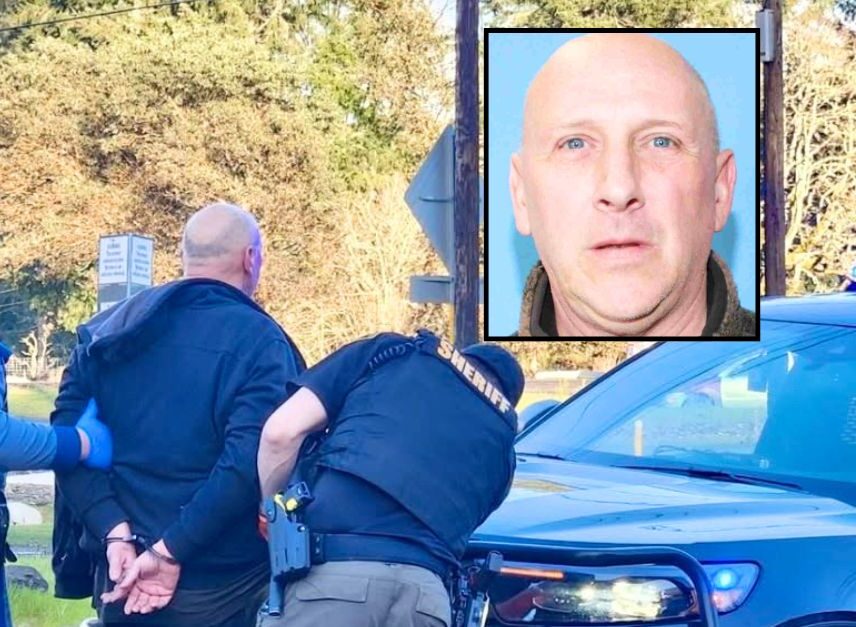
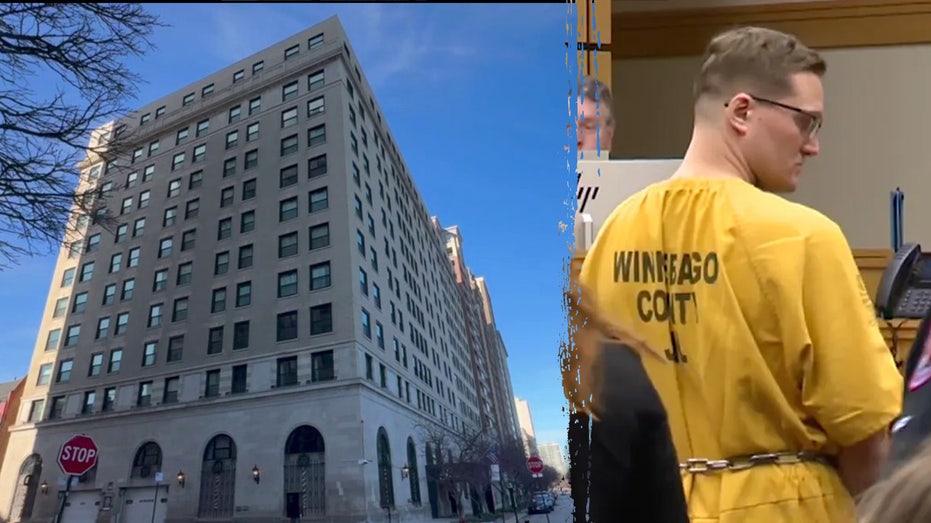
After the killings, Ohio authorities sought McKee. Fox News reporting states that police located him living in a high-rise on Chicago’s Near North Side. He was then taken into custody in Illinois and later appeared in a Rockford courtroom for an initial hearing on extradition to Ohio.
Man charged in murders of his ex-wife, Ohio dentist due in court Monday https://t.co/EIIZqPiSCU pic.twitter.com/5KXAy7uG6r
— Eyewitness News (@ABC7NY) January 13, 2026
In Ohio, McKee has been charged with two counts of premeditated aggravated murder in connection with the deaths of Spencer and Monique Tepe, according to Fox News Digital. At the Illinois hearing, his attorney indicated that McKee plans to plead not guilty once he appears in an Ohio court.
Inside The Chicago High Rise Search
The guarded doorway in Chicago sat several floors above street level at The Pierre, a luxury apartment building constructed in the late 1920s on the Near North Side. Residents told Fox News that the intense police activity was highly unusual in a building better known for its quiet atmosphere.
Gera Lind Kolarik, a longtime resident who has lived in the building since the 1980s, told Fox News Digital that she had met the man now accused in the Ohio double murder while using the building’s amenities.
“I talked to him at the pool,” said Gera-Lind Kolarik, 72, who has lived in the building since the 1980s. “There was nothing that seemed unusual.”
Kolarik said she did not connect the man she knew from casual encounters in the building with the double homicide case until she saw his photograph broadcast by a television reporter outside. That was when she recognized Michael McKee as the same person.
The next day, Kolarik began recording video as she observed a uniformed officer standing post in front of McKee’s 12th-floor apartment. She also watched as investigators went inside and removed items from the unit.
“And I saw the door open and I saw officers bringing stuff out and putting it in the boxes, clothing. I saw clothing and things like that,” she said.
She told Fox News Digital that she also saw vehicles associated with the Columbus, Ohio, Police Department parked near the building. That detail suggests that detectives from the jurisdiction where the homicide case is filed traveled to Chicago to participate in the search of McKee’s residence.
As of the latest public reporting, authorities have not disclosed what, if anything, they recovered from the apartment. There has been no official description of specific physical evidence, digital devices, or documents taken from the scene.
Building Residents Warned Of An Active Investigation
The heavy law enforcement presence in and around The Pierre did not go unexplained to the people who live there. According to Fox News Digital, residents received a written notice describing what was happening, which the outlet obtained and published.
The public service announcement told residents that there was an “active police investigation involving a resident.” It added a warning about what they might encounter in coming days.
“You may see and encounter law enforcement officials in and around the building over the next few days,” it said. “We want to assure everyone there is no immediate threat or danger to anyone in the building as a result of this investigation.”
The notice emphasized safety while acknowledging ongoing investigative work. It did not identify McKee by name and did not specify the nature of the alleged crime. That aligns with typical building management practice in high-profile criminal cases, where privacy and liability concerns often limit the level of detail shared directly with residents.
Even with that assurance, some neighbors have expressed unease that a person now charged in a double murder case was living in their building until very recently.
“You never think something like this is happening right next door,” Kolarik said.
The Legal Process Ahead
At his appearance in Rockford, Illinois, McKee waived his right to contest extradition, according to Fox News coverage of the hearing. Waiving extradition typically speeds up the process of returning a defendant to the state where charges have been filed. It does not indicate any admission of guilt.
Under Ohio law, a charge of aggravated murder reflects an allegation that a killing was committed with prior calculation and design, or under specified aggravating circumstances. Prosecutors in Franklin County will have to present their evidence to a grand jury and, if the case proceeds, eventually to a trial jury. McKee, like any defendant, is presumed innocent unless and until the state proves the charges beyond a reasonable doubt.
Public reporting so far has not detailed what specific evidence investigators believe links McKee to the killings. The presence of Columbus detectives in Chicago and the search of his apartment suggest that investigators are looking for items that could connect the alleged shooter to the crime scene or reveal planning. However, without an affidavit or charging document made public, the nature and strength of that evidence remains unknown to the wider public.
The question of motive is also not addressed in the reporting available to date. The fact that McKee is described in court records as Monique Tepe’s ex-husband establishes a prior relationship. It does not, on its own, explain why prosecutors allege he traveled to or was involved in events at the Columbus home where Monique and Spencer were killed.
The 911 call that was initially classified as a domestic dispute adds another unresolved layer. If, as Monique’s relative has claimed, that call was made by a party guest rather than by Monique herself, investigators and eventually jurors will need to understand what that caller witnessed and how it fits into the larger timeline of the shootings.
What Remains Unclear
There are still significant gaps in the public record. Authorities in Columbus have not released a detailed narrative of how they believe the killings unfolded inside the Tepe home, what the children may have heard or seen, or how McKee allegedly entered and left the property.
Officials have also not publicly outlined McKee’s movements in the days before and after the homicides. The Fox News reporting places him living in Chicago at the time of his arrest, but it does not specify when he moved there, how often he traveled to Ohio, or whether investigators are examining his financial records, phone data, or vehicle information.
For people living in The Pierre, the image that remains is simpler. Police officers guarding a door, evidence boxes carried down a hallway, and an email warning that an “active police investigation” is underway in the same building where they sleep.
For the families of Spencer and Monique Tepe, the unanswered questions are heavier. Until prosecutors present their full case in an Ohio courtroom, the link between a guarded Chicago apartment and a double homicide in Columbus will continue to rest on charging documents and brief public statements, rather than a complete account tested by cross-examination and evidence that can be seen and evaluated in the open.