

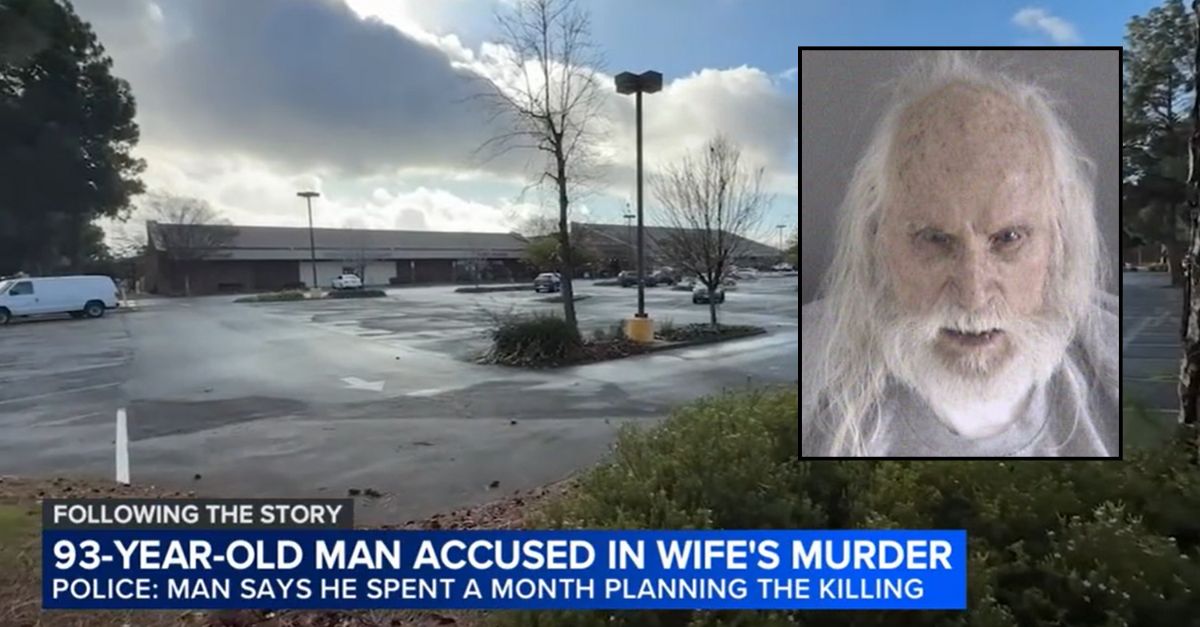
By the time patrol cars rolled into the Fremont shopping center lot, one person in the parked van was already beyond help, and the other was telling officers he was ready to surrender.
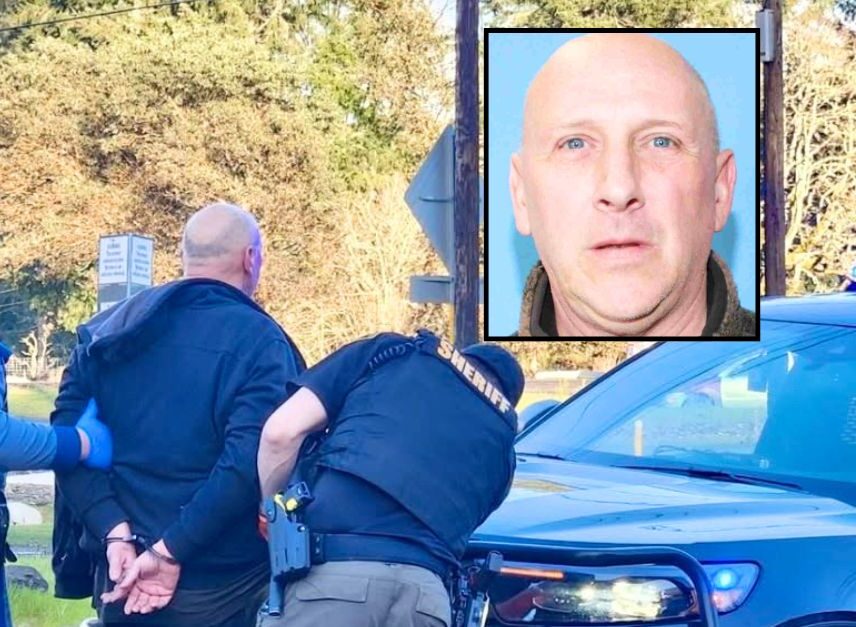
Investigators say the man was 93-year-old Richard Hocking, and the woman inside the van was his wife of roughly 60 years, 86-year-old Patricia. According to police, Hocking had already told a 911 dispatcher that he had shot his wife, and within hours he was under arrest on suspicion of murder in a case that blends alleged planning, serious health problems, and a long marriage into a contested account of intent.
A late-night call and a van in a parking lot
In a public statement, the Fremont Police Department said Hocking called 911 shortly after midnight and reported that he had shot his wife. When officers arrived, they found an 86-year-old woman in the couple’s van with a gunshot wound, and Hocking at the scene. The department said Hocking “wanted to turn himself in” and was taken into custody (https://www.fremontpolice.gov/Home/Components/News/News/1630/15).
Police say the shooting took place in a parking lot near a Fremont shopping center. The location is notable because, according to investigators, Hocking is alleged to have chosen it and driven there with Patricia after leaving their home, rather than the shooting occurring inside the house.
Fremont police have publicly identified the victim only as an 86-year-old woman, but court and media reports name her as Patricia Hocking, his spouse of about six decades (https://lawandcrime.com/crime/93-year-old-planned-for-about-a-month-to-kill-his-wife-of-60-years-who-was-struggling-with-health-issues-police/).
What police say Hocking planned
According to a summary of court documents reported by Law&Crime (https://lawandcrime.com/crime/93-year-old-planned-for-about-a-month-to-kill-his-wife-of-60-years-who-was-struggling-with-health-issues-police/) and local coverage from KTVU (https://www.ktvu.com/news/fremont-man-his-90s-charged-wifes-murder), detectives say Hocking told them he had been “planning” to kill Patricia “for about a month”. Police say he convinced her to get into their Ford Transit van, drove to a shopping center parking lot, and shot her in the head.
Investigators also wrote that Hocking left the couple’s home that night “knowing that he was going to kill her”, according to those same reports. Law&Crime, citing court filings, reports that Hocking told officers his wife “had been struggling with health issues,” and that killing her was “necessary.” Those alleged statements are part of the prosecution file, but they have not yet been examined through testimony or cross-examination in court.
At this stage, all of the planning details come from law enforcement summaries of what Hocking is alleged to have said after his arrest. There is no public indication yet that defense attorneys have offered an alternative account of the timeline or of his intent.
Health problems and caregiving inside the home
Neighbors who spoke with San Francisco television station KGO, as cited by Law&Crime, described a household shaped by age and illness. One neighbor said Patricia had diabetes and other health issues and was largely confined to sitting. She told the station Patricia was “almost in [a] chair. Not able to do chores or anything. [Hocking] was taking care of her completely.” (https://lawandcrime.com/crime/93-year-old-planned-for-about-a-month-to-kill-his-wife-of-60-years-who-was-struggling-with-health-issues-police/)
Richard Hocking, 93, from Fremont, has been charged with murder for shooting and killing his 86-year-old wife, saying it was “necessary” due to health issues, according to court documents. The couple was married for 60 years.
Story here: https://t.co/9EfiW8M0iC pic.twitter.com/EXbuRlsALD
— ABC7 News (@abc7newsbayarea) January 8, 2026
Those descriptions are not medical records, but they sketch a picture of long-term caregiving performed by a spouse in his 90s. The same neighbor accounts, again relayed through media reports, say Hocking himself has “serious” health issues, including chronic obstructive pulmonary disease, or COPD.
Police have framed the deteriorating health of both spouses as relevant primarily because of what they say Hocking told them after the shooting. In the version reported in court documents, he pointed to his wife’s declining condition and said that killing her was “necessary.” Prosecutors have not suggested that any doctor or relative supported or even knew about the alleged plan.
There is no indication in the publicly available records that Patricia had requested an end to her life, or that she was aware that the trip in the van would, according to police, end with a gunshot. Those gaps in the record are likely to be central if the case goes to trial.
How prosecutors are treating the case
The Alameda County District Attorney’s Office has charged Hocking with one count of murder, along with an enhancement for using a firearm (https://da.alamedacountyca.gov/elderly-man-charged-with-murder-in-deadly-shooting-of-woman-in-fremont). He is being held without bail at Santa Rita Jail, according to the DA and Fremont police. Court schedules cited by Law&Crime list a plea hearing for Jan. 12 in Alameda County Superior Court.
In California, intentional killing of another person is prosecuted under the state’s homicide statutes even when a defendant claims a motive related to mercy or relief of suffering. California’s End of Life Option Act applies only where a mentally capable, terminally ill adult personally requests and self-administers prescribed medication under medical supervision. It does not authorize a family member to end another person’s life using a firearm or any other method.
That legal framework helps explain why Alameda County prosecutors are pursuing a traditional murder charge rather than treating Patricia’s death as a medical or end-of-life matter. The firearm enhancement, if proved, could increase any potential sentence.
For now, publicly available filings focus on the basic allegations: that Hocking planned the killing, drove his wife to a parking lot, shot her once in the head, and then called 911 to report what he had done. The district attorney’s office has not released any detailed narrative of Patricia’s medical history, nor any deeper explanation of how it intends to address Hocking’s statements about her health and his own.
What remains unanswered
Many central questions remain unanswered in the public record. It is not yet clear whether Hocking had previously discussed his wife’s condition or any wish to die with relatives, medical providers, clergy, or friends. Police and prosecutors have not said whether there were prior calls for service to the home, nor whether any weapons had been seized or reported there in the past.
It is also unknown whether the defense will dispute the alleged admissions that appear in the police narrative, or whether they will instead focus on Hocking’s age, physical condition, or mental state. At 93, he is among the oldest defendants to face an active murder charge in Alameda County in recent years, but age alone does not determine criminal responsibility.
As the case moves toward the scheduled plea hearing, the only detailed account available to the public is the one written by investigators and filtered through early charging documents. Whether the courtroom version of events matches that narrative, or reveals a more complicated story about health, autonomy, and intent inside a long marriage, is something that will only be tested in the months ahead.