


Case overview
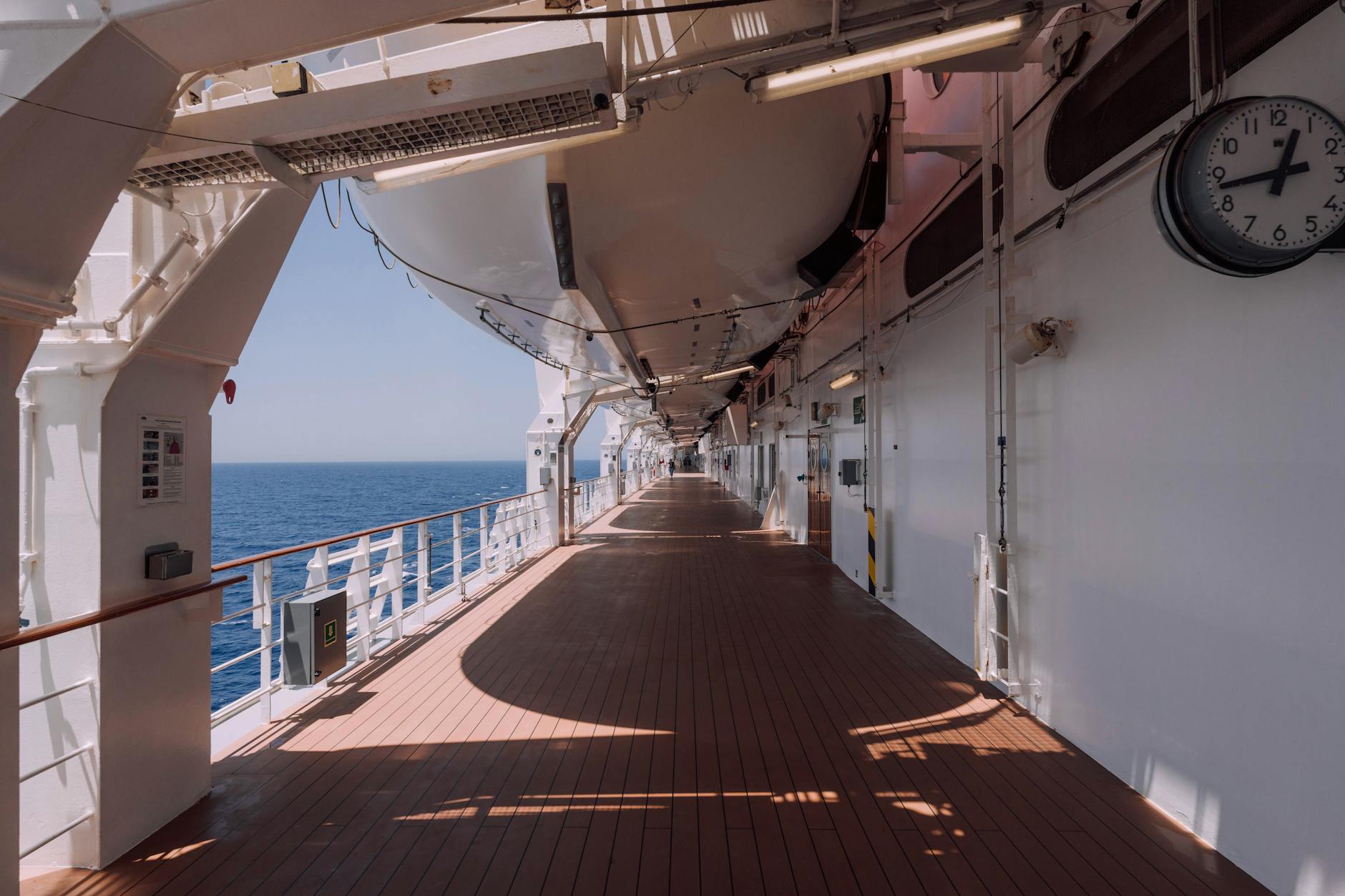
Rebecca Coriam, a 24-year-old crew member aboard the Disney Wonder cruise ship, was reported missing on March 22, 2011, during a voyage along the Pacific coast of Mexico. Her last confirmed appearance was captured on security footage at 5:45 a.m. that morning, showing her in distress during what appeared to be a phone conversation near the crew pool area on Deck 5. Despite extensive searches of the vessel and surrounding waters, no trace of Coriam was found, and her disappearance remains unresolved.
The final confirmed movements
Rebecca Coriam joined Disney Cruise Line in June 2010 as a youth activities worker, responsible for supervising children in the ship’s Oceaneer Club. By March 2011, she had been with the crew for nine months and was regarded as reliable and well-liked by colleagues and supervisors.
On the evening of March 21, 2011, Coriam finished her shift and was seen by multiple crew members in common areas of the ship. She attended a crew gathering and was described as being in good spirits. She retired to her cabin, which she shared with another crew member, sometime after midnight.
At approximately 5:45 a.m. on March 22, security cameras captured Coriam near the crew pool on Deck 5. The footage, later shown to her family, depicted her wearing men’s clothing and appearing visibly distressed during a brief phone conversation. She was seen gesturing and looking upset before the call ended. This 60-second clip remains the last confirmed sighting of Coriam.
When Coriam failed to report for her 9:00 a.m. shift, supervisors began looking for her. A search of the vessel was initiated, and her absence was formally reported to the ship’s command by mid-morning. Her personal belongings, including identification and shoes, were found in her cabin. One sandal was later discovered on Deck 5, near the area where she was last seen on camera.
The official response and investigation
Disney Cruise Line and the ship’s captain coordinated an immediate search of the Disney Wonder. Crew members inspected all decks, public areas, storage spaces, and restricted zones. No sign of Coriam was found aboard the ship.
The ship was approximately 150 miles off the coast of Mexico when Coriam was reported missing. The United States Coast Guard and Mexican authorities were notified, and aerial and maritime searches were conducted in the surrounding Pacific waters. These efforts yielded no results.
Because the incident occurred in international waters, jurisdiction fell to the Bahamas Maritime Authority, as the Disney Wonder was registered under a Bahamian flag. Bahamian investigators conducted interviews with crew members and reviewed available evidence, including security footage and ship logs.
In April 2011, Bahamian authorities concluded their investigation, determining that Coriam had been washed overboard by a rogue wave. This finding was based partly on weather conditions reported that morning and the location where her sandal was found. The official conclusion cited accidental death, with no evidence of foul play.
Coriam’s family disputed this determination. They questioned how a wave could have swept her from the crew pool area, which was surrounded by walls approximately six feet high. They also raised concerns about the lack of comprehensive witness interviews and the limited scope of the investigation.
Unresolved questions and disputed evidence
The timeline between Coriam’s last appearance on camera at 5:45 a.m. and the start of her shift at 9:00 a.m. remains unclear. No crew members reported seeing her during that window, and no additional security footage was identified or made available to the family.
The phone call captured on video has never been fully explained. Investigators did not publicly identify who Coriam was speaking with, and it remains unknown whether the call was incoming or outgoing, or if it was placed using the ship’s internal communication system or a personal device.
Coriam’s family questioned the investigative process, citing restricted access to evidence and inconsistent communication from Disney Cruise Line and Bahamian authorities. They noted that crew members were interviewed without independent representation, and some reported being pressured not to speak with the family or outside investigators.
In 2011, Coriam’s parents traveled to Los Angeles to meet with Disney Cruise Line representatives. They were shown the security footage but were not provided with copies. They described the meeting as controlled and unsatisfactory, with limited answers to their questions about the investigation’s scope and findings.
Additional details emerged through media reports and independent inquiries. Some crew members reportedly described Coriam as having been involved in a romantic relationship with another female crew member, which had recently become strained. Others mentioned tensions related to work assignments and living conditions aboard the ship. None of these accounts were confirmed as relevant to her disappearance by official investigators.
The family’s pursuit of answers
Coriam’s parents, Mike and Ann Coriam, challenged the official conclusion and sought a fuller accounting of the circumstances surrounding their daughter’s disappearance. They hired legal representation and pushed for an inquest in the United Kingdom, where Rebecca was a citizen.
In 2016, a pre-inquest review was held in the UK to determine whether a formal inquest should proceed. The review examined whether British authorities had jurisdiction and whether sufficient new evidence existed to warrant further investigation. The coroner ultimately determined that an inquest would not go forward, citing jurisdictional limitations and the conclusion already reached by Bahamian authorities.
The Coriam family expressed frustration with the outcome, arguing that critical questions about the investigation’s thoroughness and the evidence reviewed had not been adequately addressed. They continued to advocate publicly for transparency and accountability from Disney Cruise Line and the agencies involved.
Investigative gaps and procedural concerns
Maritime disappearances present unique investigative challenges due to jurisdictional complexity, limited physical evidence, and the transient nature of witness availability. In Coriam’s case, these factors were compounded by the vessel’s location in international waters and the involvement of multiple authorities with differing investigative protocols.
Critics of the investigation have pointed to the absence of a comprehensive forensic review of the crew pool area, limited public disclosure of witness statements, and the lack of independent oversight. The security footage, while critical, covered only a narrow window of time and did not capture the moments immediately before or after Coriam’s final appearance.
The determination that Coriam was swept overboard has been questioned based on the physical layout of Deck 5 and the reported sea conditions that morning. No eyewitnesses reported seeing a wave strike the area, and no other crew members or passengers reported unusual weather events during the timeframe in question.
The Coriam family also raised concerns about the handling of Rebecca’s personal belongings and the extent to which her electronic devices and communications were reviewed. Disney Cruise Line did not publicly confirm whether data from onboard communication systems or personal devices was examined as part of the investigation.
Where this case stands
Rebecca Coriam’s disappearance remains officially classified as an accidental death by Bahamian authorities. No criminal charges have been filed, and no additional suspects or persons of interest have been publicly identified.
Her family has not ceased their efforts to obtain further information. They continue to seek disclosure of evidence, including unredacted witness statements and additional security footage, if any exists. They have also called for reforms in how cruise line disappearances are investigated, particularly regarding jurisdictional clarity and independent oversight.
The case has drawn attention to broader issues surrounding safety, accountability, and transparency in the cruise industry. Advocacy groups have cited Coriam’s disappearance as an example of the need for stronger international protocols and more rigorous investigative standards when incidents occur in international waters.
Rebecca Coriam’s final movements remain confined to a brief segment of security footage and the hours that followed, during which no verified sightings were reported. What happened between 5:45 a.m. and the moment she was reported missing has never been conclusively determined.
Where to look next
- Documentary: “Disappeared” (Investigation Discovery)
- Book: “Death on the High Seas” by J.H. Bográn
- Podcast: “Morbid” (Wondery)