


TLDR
Coast Guard cutter Munro’s 119-day deployment yielded a record 11-ton cocaine seizure and six detentions, while expanded U.S. maritime strikes on suspected traffickers raise unresolved legal and accountability questions about evidence, oversight, and use of force.
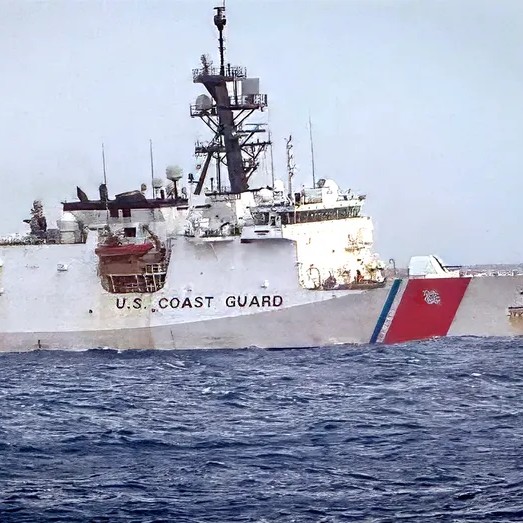
Munro, a 418-foot national security cutter homeported in Alameda, was sent out in November 2025 for training and Pacific counternarcotics patrols, according to Fox News and Pentagon statements. Midway through the mission, the crew was redirected to the Atlantic to support Operation Southern Spear, a Trump administration initiative targeting maritime drug trafficking.
Record Maritime Drug Seizure
According to Fox News, Munro’s crew detected a vessel transiting a known smuggling route in the Pacific, then used pursuit boats and a helicopter firing warning and disabling shots to force it to stop. Upon boarding, they detained six suspected drug smugglers and recovered about 22,052 pounds of cocaine, roughly 11 tons.
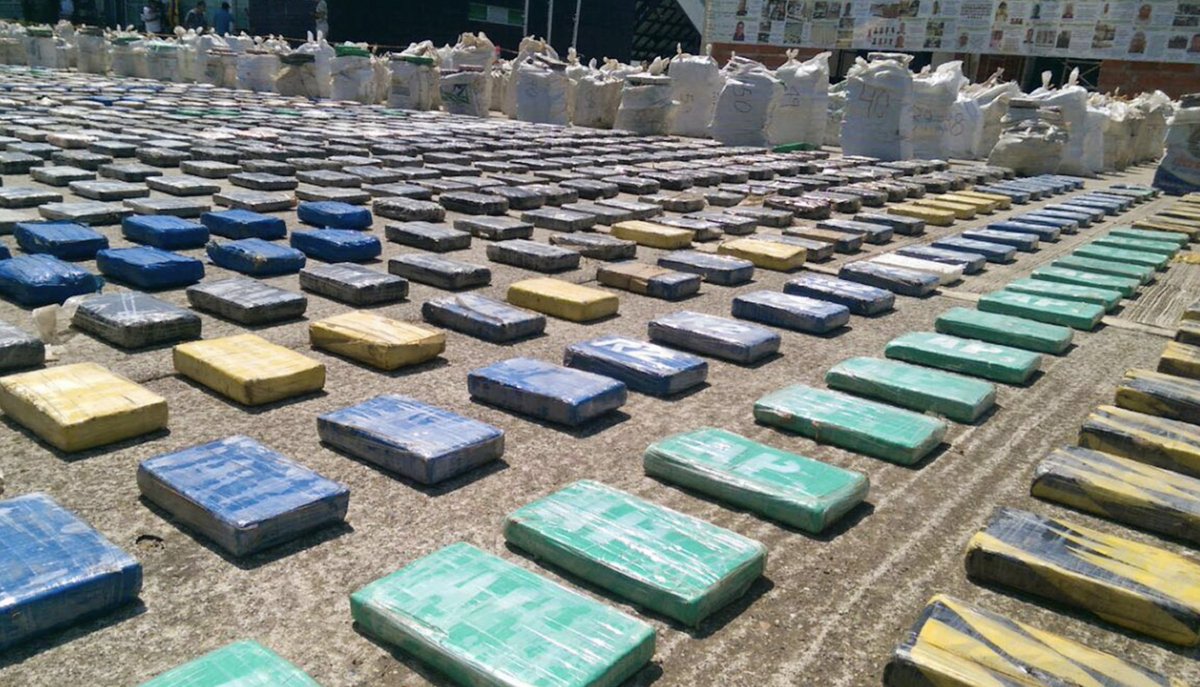
Officials described the case as the largest maritime cocaine seizure in 18 years, removing a significant volume of narcotics from the supply chain. Munro’s commanding officer, Capt. Jim O’Mara said, “The service, our nation, and our families can be extremely proud of Munro.” The operation fits within the Coast Guard’s law enforcement role under the Maritime Drug Law Enforcement Act and related authorities.
A US Coast Guard Munro seized more than 22,000 pounds of cocaine, after detecting a vessel using a smuggling route. This is the largest maritime drug seizure in 18 years. pic.twitter.com/D68jQTMJii
— Media-Werkz Texas (@mediawerkz1) March 10, 2026
Stateless Vessels and Expanding Jurisdiction
Earlier in the deployment, Munro tracked the U.S.-sanctioned crude oil carrier Bella 1 across the Caribbean and Atlantic for 18 days, about 4,900 miles. Officials determined that the tanker was a vessel without nationality, placing it under U.S. jurisdiction and allowing the crew to board and seize control.
That legal finding carries major consequences. When a ship is considered stateless, U.S. authorities may apply domestic drug and sanctions law even far from American shores. These powers underpin Operation Southern Spear, described by defense officials as an effort to target and disrupt transnational criminal networks that move drugs and illicit funds by sea.
Lethal Strikes and Accountability Questions
Alongside high-profile seizures, the administration has increased lethal maritime strikes. In a Pentagon announcement, officials said U.S. forces carried out a strike on a vessel in the Eastern Pacific allegedly carrying suspected narco-traffickers, killing six people on board. According to The New York Times, at least 156 people have died in such operations, across 45 strikes since early September.
Those numbers point to a shift from interdiction and arrest toward the use of force against alleged traffickers. Public reporting has not detailed what intelligence thresholds must be met before a strike, whether there are standardized post-strike reviews, or how families of those killed can challenge the government’s characterization of the dead as smugglers. The legal frameworks governing these actions, and the mechanisms for transparency, remain only partially visible.
Munro’s record cocaine haul illustrates how much drug supply can be removed through traditional maritime law enforcement and arrest. The parallel rise in lethal operations, however, raises questions that statistics alone do not answer. As new deployments are planned, the unresolved issue is how the United States will balance interdiction, prosecution, and deadly force at sea.