

TLDR
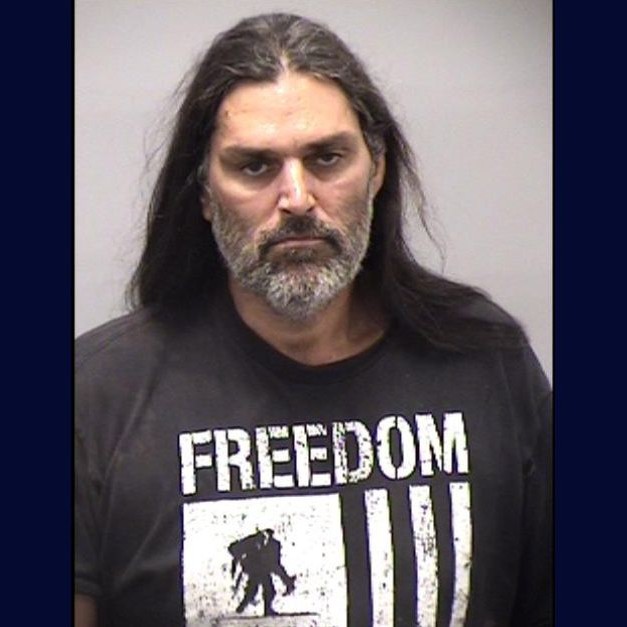
Valeriy Kouznetsov, a 41-year-old Virginia man with a prior conviction for threatening Donald Trump, has been sentenced to 27 months in federal prison for renewed online death threats against the president and his family, followed by three years of supervised release.
A repeat defendant in federal court, Valeriy Kouznetsov, came back before a judge after investigators tied a series of menacing posts on X to his email address and internet activity. The case asked the court to weigh speech, history, and public safety.
According to federal prosecutors, Kouznetsov pleaded guilty to one count of making threatening interstate communications. In exchange, a second count and a separate charge of threatening the president were dismissed under a plea agreement, leaving the single felony count for sentencing.
New Threats, Familiar Defendant
According to a probable cause affidavit, agents with the United States Secret Service began monitoring the account @VVKTsar in April 2025 after posts called Donald Trump “a hopeless and helpless American b” and warned, “I will murder all of you filthy rats.” The threats escalated over several days.
Investigators documented posts on March 28th, 2025, April 14th, 2025, and April 19th, 2025, that referenced the safety of the president’s family and alluded to a July 13th, 2024, assassination attempt at a campaign rally in Butler, Pennsylvania. The affidavit states that Kouznetsov repeatedly suggested there could be a “repeat” if his demands were not met.
Digital Trail and Prior Conviction
Records from X, cited in court documents, linked the account to an email address in Kouznetsov’s name and an IP address in Reston, Virginia. Investigators also obtained Google login data that aligned with the timing of the posts, strengthening the government’s claim that Kouznetsov controlled the account.
The new case did not occur in isolation. Court filings recount that in July 2020, Kouznetsov jumped security barriers outside the Trump International Hotel in Washington, D.C., and told guards he intended to kill Trump by “stabbing him in the heart, cutting off his head, and blowing up the hotel.” He later admitted to those threats and received a 27-month federal sentence in 2022, followed by three years of supervised release.
Supervised Release and Public Safety Concerns
Between those two federal cases, law enforcement encountered Kouznetsov again in April 2023 near the White House, where, according to prosecutors, he approached officers claiming he had a meeting with the FBI director arranged by President Joe Biden. Officers arrested him for possessing a controlled substance and for violating his supervision, leading to another custodial term.
In the latest sentencing, U.S. District Judge Rossie D. Alston imposed 27 months in prison and three years of supervised release, as announced by the Department of Justice. The outcome reflects both the seriousness of threats against public officials and the court’s effort to manage a defendant with a documented pattern of violent political rhetoric.
The Kouznetsov case illustrates how online threats, prior convictions, and supervision violations intersect in federal court. Future proceedings, including any potential appeals or supervision hearings, will determine how long federal authorities keep direct oversight of his conduct.
References