Case overview
On June 25, 1968, Richard Robison, his wife Shirley, and their four children were found shot to death in their vacation cottage in Good Hart, Michigan. Despite a lengthy investigation that focused heavily on one suspect, no arrests were ever made, and the case remains officially unsolved more than five decades later.
The victims and the discovery
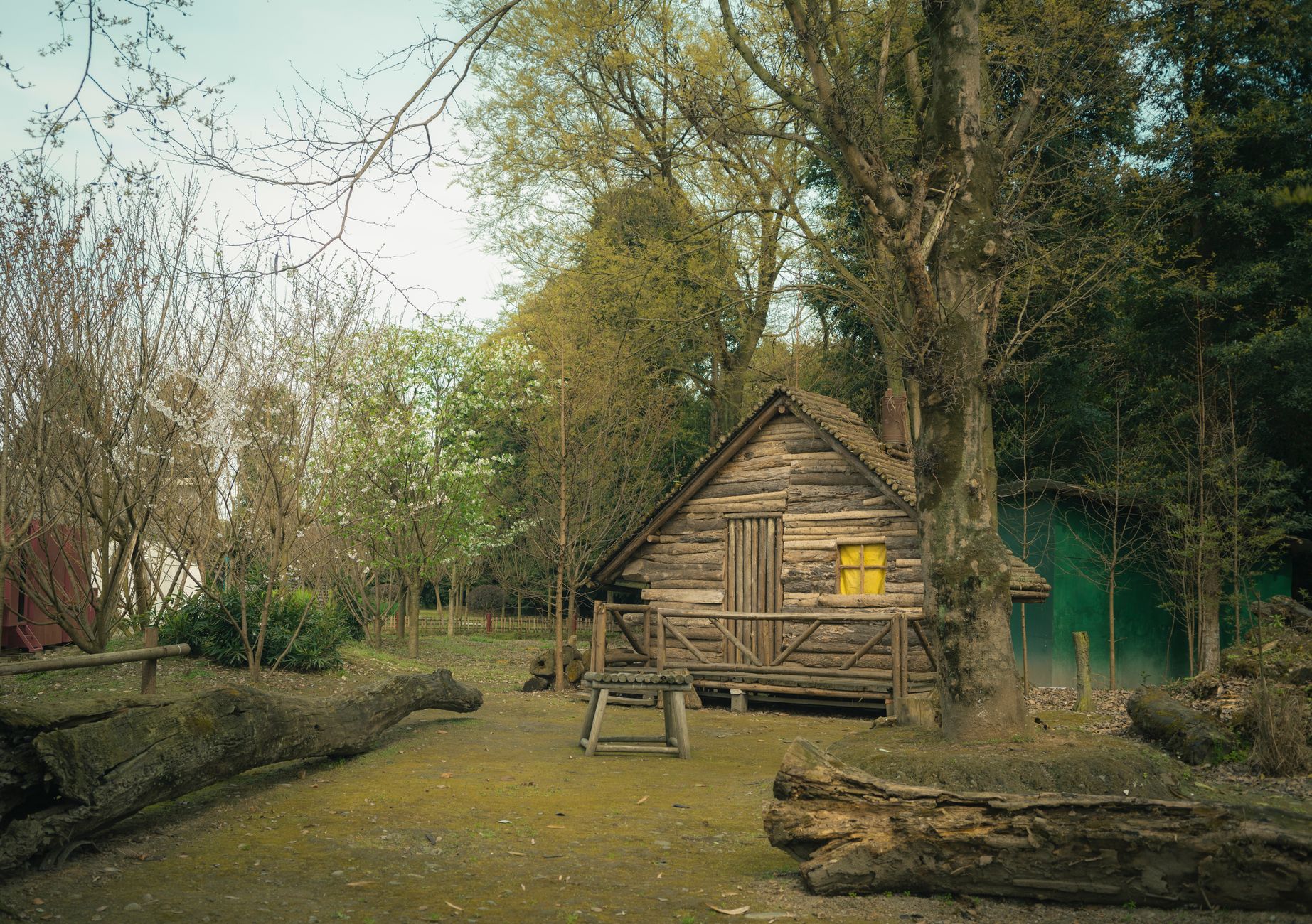
Richard Robison was a successful advertising executive in the Detroit area. His wife Shirley cared for their four children: Ritchie, 12, Gary, 10, Randy, 7, and Susan, 4. The family owned a secluded summer cottage near the shore of Lake Michigan in Emmet County, roughly 290 miles north of their home in Lathrup Village.
On June 25, 1968, a family friend arrived at the cottage to check on the Robisons after they had not been seen or heard from for several days. Inside, he discovered all six family members dead from gunshot wounds. The bodies were badly decomposed. Investigators estimated the time of death between June 16 and June 18.
The scene showed no signs of forced entry. Cash and valuables were left untouched. The positioning of the victims and the lack of defensive wounds suggested they had been taken by surprise.
The timeline before the murders
The Robisons had traveled to their cottage on June 14, 1968. Richard had told colleagues he planned to return to work the following week. Shirley spoke with her mother by phone on June 16, reporting that everything was fine.
No one reported contact with the family after that conversation. Neighbors in the sparsely populated area did not recall unusual activity. Mail accumulated at the cottage, and scheduled appointments in the Detroit area were missed without explanation.
When Richard failed to return to work and attempts to reach the family by phone went unanswered, Shirley’s mother asked a family friend to check on them.
The investigation and forensic findings
Michigan State Police led the investigation. Autopsies confirmed that all six victims had been shot, some multiple times. The murder weapon was never recovered. Ballistics analysis determined that a .25 caliber firearm had been used.
Investigators collected fingerprints and other trace materials from the scene. They conducted interviews with neighbors, business associates, friends, and family members. No clear motive emerged, and the lack of forced entry suggested the killer had been admitted willingly or had access to the property.
Detectives explored several theories, including business disputes, personal grudges, and robbery. The untouched valuables and the methodical nature of the killings led investigators to believe the murders were personal rather than opportunistic.
The focus on Joseph Scolaro III
Attention soon centered on Joseph Raymond Scolaro III, a business associate of Richard Robison. Scolaro had been involved in financial dealings with Robison through a company called Impco, which Robison managed. The business relationship had soured, and there were allegations of financial impropriety.
Scolaro became a suspect after investigators learned he had been in the Good Hart area around the time of the murders. Witnesses placed him near the cottage, and phone records indicated he had made calls from the region. Scolaro initially denied being in the area, then later admitted he had traveled north during that period.
Investigators also discovered that Scolaro owned a .25 caliber pistol, the same type of weapon used in the murders. When questioned, Scolaro claimed he had lost the gun before the killings. No physical evidence definitively linked him to the crime scene, and he was never charged.
Circumstantial threads and investigative gaps
Detectives continued to build a circumstantial case against Scolaro. Financial records showed tensions between him and Robison. Behavioral inconsistencies in his statements raised suspicion. Without physical evidence tying him to the scene or the murder weapon, prosecutors did not have enough to file charges.
Scolaro maintained his innocence and denied any involvement in the murders. He refused to take a polygraph test, which investigators noted but which carried no legal weight. Over the years, he remained the primary focus of the investigation, but no breakthrough came.
Other potential leads were explored and dismissed. Tips from the public were investigated. The remote location of the cottage and the time lag between the murders and the discovery of the bodies complicated efforts to establish a clear timeline or identify additional suspects.
The case over time
The Robison family murders became one of Michigan’s most notorious unsolved cases. Media coverage kept the story in public view, and investigators periodically revisited evidence as forensic technology advanced. DNA testing was conducted on materials from the scene, but no matches were found in criminal databases.
Joseph Scolaro died in 2013 without ever being charged. His death effectively closed one investigative avenue, though some investigators and observers continued to believe he was responsible. Others pointed to the lack of physical evidence and argued that the case against him was never strong enough to warrant charges.
The murders also prompted several books and investigative reports. Authors and journalists examined the evidence, interviewed surviving witnesses, and proposed various theories. None provided definitive answers.
What remains unresolved
The Robison family murders remain officially unsolved. No arrest has ever been made, and no one has been prosecuted for the killings. The investigation is considered open, though active leads have long since dried up.
The case illustrates the challenges of prosecuting homicides that rely on circumstantial evidence without physical proof linking a suspect to the crime. It also highlights the difficulties posed by remote crime scenes, delayed discoveries, and the passage of time.
For the surviving family members and the community that knew the Robisons, the lack of resolution has left lasting questions. The identity of the person who killed six members of a family in their vacation home remains unknown, and the motive remains unclear.
Where to look next
- Book: “When Evil Came to Good Hart” by Mardi Link
- Podcast: “The Robison Family Murders” (“Murder in the Mitten”, independent)