
Case overview
Randy Kraft was arrested in 1983 after a California Highway Patrol officer found a deceased Marine in his car, ending a killing spree that spanned more than a decade across Southern California and beyond. Investigators later connected him to at least 16 confirmed murders, though a coded list found in his possession suggested he may have killed as many as 67 victims. His case became known as the “Scorecard Killer” due to this cryptic list, which contained abbreviated entries that appeared to correspond to his victims.
The traffic stop that ended the pattern
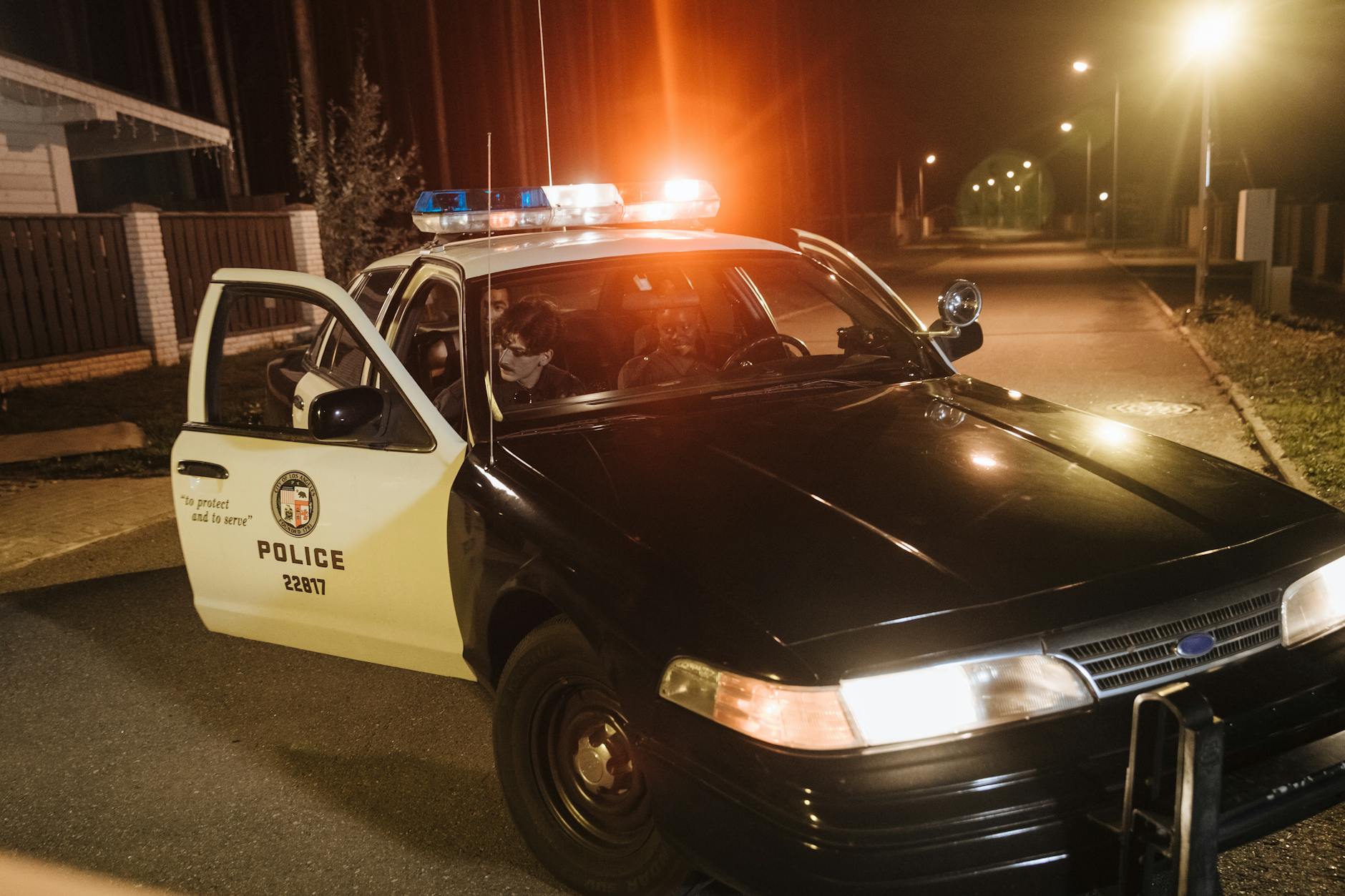
On May 14, 1983, California Highway Patrol officer Michael Howard stopped Randy Kraft’s Toyota Celica on Interstate 5 near Mission Viejo after observing erratic driving. In the passenger seat was 25-year-old Terry Gambrel, a Marine from El Toro Air Station, who appeared unconscious. Howard determined Gambrel was not breathing and had no pulse. Kraft, a 38-year-old computer consultant, was arrested at the scene.
An autopsy revealed Gambrel had been strangled and sexually assaulted. Toxicology tests showed lethal levels of alcohol and tranquilizers in his system. The medical examiner determined Gambrel had died within the previous two hours.
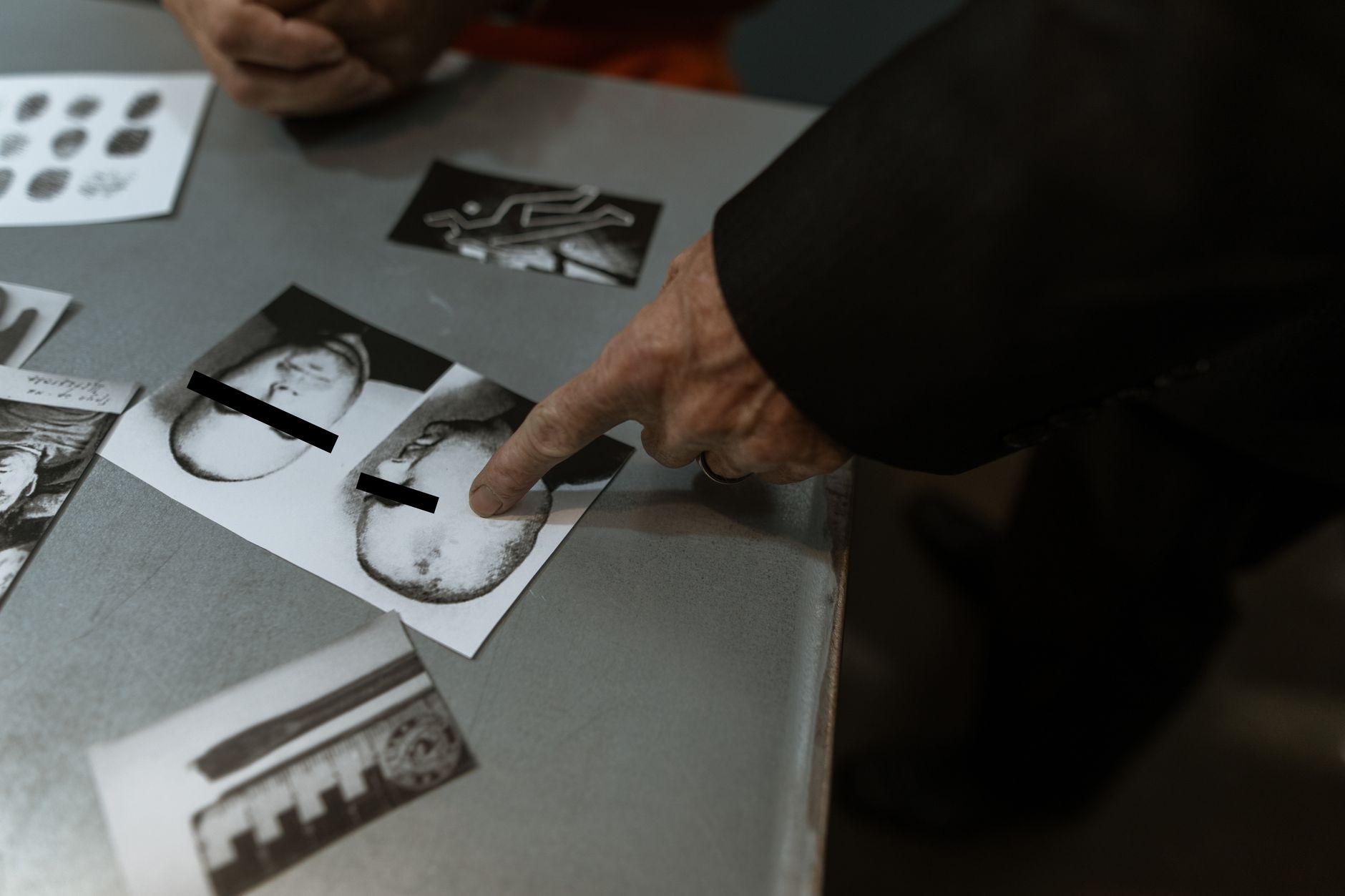
A search of Kraft’s vehicle produced photographs of young men in various states of unconsciousness or death, along with personal items that did not belong to him. Investigators also found a coded list on paper containing 61 entries with cryptic notations such as “STABLE,” “PORTLAND,” “2 IN 1 HITCH,” and “MARINE CARSON.” The list became the foundation for linking Kraft to dozens of unsolved murders.
The coded list and victim identification
Detectives believed the list functioned as a record of Kraft’s victims, with each entry representing a murder. The notations appeared to reference locations, physical characteristics, or circumstances of the crimes. “MARINE CARSON” was linked to the 1980 murder of a Marine whose body was found near Carson, California. “2 IN 1 HITCH” was believed to correspond to two victims found together.
Investigators cross-referenced the entries with unsolved homicides in California, Oregon, and Michigan. They identified at least 16 victims who matched entries on the list, though many others remained unconfirmed. Most victims were young men, often military personnel or hitchhikers, who had been drugged, sexually assaulted, strangled, or mutilated. Some bodies were found alongside Southern California highways, while others were discovered in remote areas.
Kraft had traveled extensively for work, and the geographic spread of the murders aligned with his known movements. Entries referencing Portland and Michigan matched the locations of unsolved cases in those regions, though prosecutors focused primarily on crimes committed in California.
Victim pattern and investigative linkage
Kraft’s victims followed a consistent pattern. Most were young men between 18 and 30, often hitchhikers or individuals picked up near military bases. Autopsies revealed that many had been drugged with alcohol and sedatives before being killed. Some victims showed signs of torture, including ligature marks, burns, and sexual mutilation. Bodies were typically found nude or partially clothed, often discarded along highways or in isolated areas.
The first known victim linked to Kraft was Wayne Dukette, a 30-year-old bartender whose body was found in 1972 in Laguna Beach. Dukette had been strangled and sexually assaulted. His death was initially treated as an isolated case.
Over the next decade, similar murders occurred throughout Orange County, Los Angeles County, and along Interstate 5. In 1975, the body of Keith Crotwell, a Marine from Camp Pendleton, was found near San Diego. He had been strangled and showed signs of sexual assault. In 1980, two more Marines were found dead in separate incidents. Investigators noted similarities in the methods used, but without a centralized database for tracking serial crimes, the cases remained largely disconnected.
Detectives began linking the murders after Kraft’s arrest in 1983. The coded list provided a framework for connecting cases that had been investigated separately by different jurisdictions. The Orange County District Attorney’s Office led the effort to prosecute Kraft, consolidating evidence from multiple agencies.
The trial and convictions
Kraft’s trial began in 1988 in Orange County Superior Court. Prosecutors charged him with 16 counts of murder, relying on physical evidence, autopsy reports, and the coded list. The trial lasted 13 months, making it one of the longest criminal trials in California history at the time.
Witnesses testified that Kraft was known to frequent bars popular with young men and military personnel. Several survivors came forward to describe being picked up by Kraft, offered drinks, and then blacking out, only to wake up hours later with no memory of what had happened. One witness testified that Kraft had drugged him but released him unharmed after he regained consciousness.
The prosecution presented photographs found in Kraft’s possession that depicted victims in states of unconsciousness or death. Forensic experts testified that the images matched the condition of bodies recovered in several cases. Personal items belonging to victims, including military identification cards and jewelry, were found in Kraft’s home and car.
Kraft’s defense argued that the evidence was circumstantial and that the coded list could have been interpreted in multiple ways. They suggested that some of the photographs could have depicted consensual encounters or individuals who were merely intoxicated. The defense did not call Kraft to testify.
On August 12, 1989, the jury found Kraft guilty of 16 counts of murder. He was sentenced to death and sent to San Quentin State Prison. Kraft has maintained his innocence and has never confessed to any of the murders.
Unresolved entries and ongoing questions
While Kraft was convicted of 16 murders, the coded list contained 61 entries, and investigators believe the actual victim count could be much higher. Many entries remain unmatched to known cases, and some victims have never been identified. Detectives in California, Oregon, and Michigan continue to review unsolved homicides from the 1970s and early 1980s that fit Kraft’s pattern.
One entry, “PORTLAND,” has been linked to the 1976 murder of a young man found near Portland, Oregon, but no charges were filed in that case. Another entry, “MICHIGAN,” may reference murders committed during Kraft’s time stationed at an Air Force base in that state, though no definitive connections have been established.
Families of potential victims have pressed law enforcement to reexamine cold cases that may be connected to Kraft. Advances in DNA technology have allowed investigators to revisit evidence from the 1970s and 1980s, though many cases lack biological evidence that could be retested.
Kraft remains on death row and has filed multiple appeals, all of which have been denied.
Where to look next
- Documentary: “The Scorecard Killer” (Oxygen)
- Book: “Angel of Darkness: The True Story of Randy Kraft and the Most Heinous Murder Spree of the Century” by Dennis McDougal
- Podcast: “The Freeway Killer” (“Casefile True Crime”, Casefile Presents)