Case overview
Between the late 1990s and 2010s, dozens of college-aged men were found drowned in rivers and lakes across the Midwest and Northeast, many after nights of drinking. Two retired New York City detectives proposed the deaths were connected murders marked by spray-painted smiley faces near recovery sites, a theory most law enforcement agencies and federal investigators have consistently rejected as unsupported by evidence.
How the theory began
The smiley face killings theory originated with retired NYPD detectives Kevin Gannon and Anthony Duarte, who began investigating drowning deaths of college-aged men in 1997. The detectives identified what they considered a pattern: young, athletic, academically successful men who disappeared after drinking with friends, only to be found drowned days or weeks later in bodies of water.
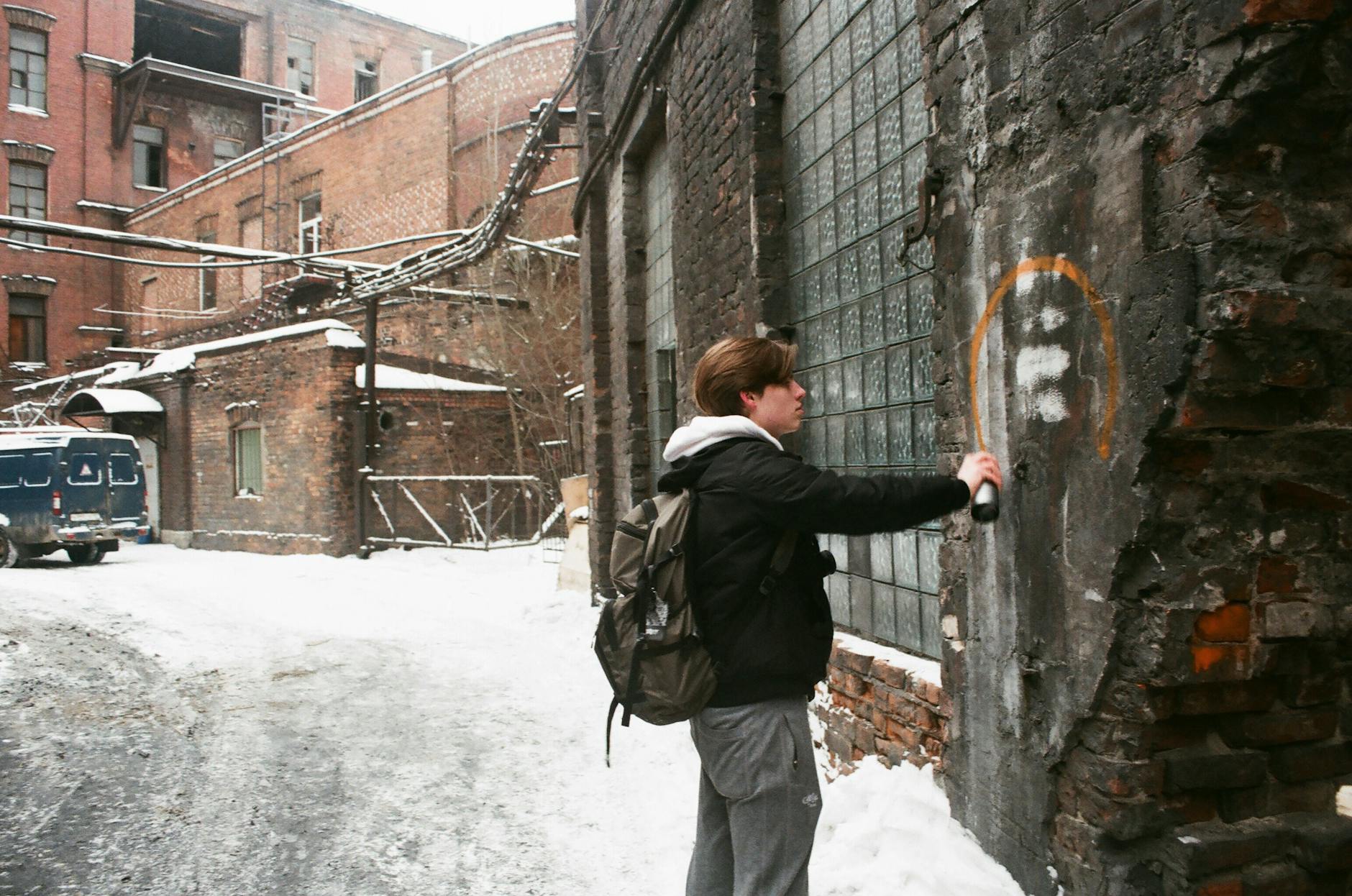
Gannon and Duarte noted that many deaths occurred in cities with major universities along Interstate 94 and other corridors in the upper Midwest. They also reported finding graffiti depicting smiley faces near several recovery locations, which they interpreted as a signature left by a coordinated group of killers. By 2008, the detectives claimed to have identified more than 40 cases they believed were linked homicides rather than accidental drownings.
The theory gained national attention after a 2008 news conference where Gannon and Duarte presented their findings. They suggested the deaths were the work of an organized network, possibly a gang or cult, operating across state lines for over a decade. The claim was striking: a serial killing operation targeting young men in multiple states, coordinated and deliberate, yet undetected by federal investigators.
The victims and the pattern claimed
The cases cited by Gannon and Duarte shared several characteristics. The victims were typically white men in their late teens or early twenties, often college students or recent graduates. Most were described as popular, athletic, and high-achieving. Nearly all disappeared after a night of drinking, usually in urban or college town settings near water.
The time between disappearance and discovery varied from days to months. Bodies were often recovered from rivers, canals, or lakes, sometimes miles from where the men were last seen. In many cases, autopsies cited drowning as the cause of death, with elevated blood alcohol levels noted. Toxicology reports occasionally identified other substances, but findings were inconsistent.
Patrick McNeil, a 21-year-old Fordham University student, disappeared in February 1997 after leaving a bar in New York City. His body was pulled from the East River weeks later. Chris Jenkins, a 21-year-old University of Minnesota student, vanished in October 1997 after a night out in Minneapolis. His body was found in the Mississippi River four months later. Jenkins’ death was initially ruled accidental, then changed to homicide after his family pushed for further investigation, though no suspects were ever charged.
Dakota James, 23, disappeared in Pittsburgh in January 2017 after leaving a downtown bar. His body was discovered in the Ohio River 40 days later. In 2006, 22-year-old Dan Zamlen went missing in La Crosse, Wisconsin, and was found drowned. La Crosse saw multiple similar drownings over several years, fueling speculation about a possible connection.
Gannon and Duarte pointed to the smiley face graffiti as a unifying element. They documented instances where such images appeared near recovery sites or last known locations. The graffiti varied in style, size, and context. Some were elaborate, others crude. Some appeared in high-visibility areas, others in obscure locations. Critics noted that smiley faces are among the most common forms of graffiti and appear in urban areas worldwide without criminal significance.
Why law enforcement rejected the theory
The Federal Bureau of Investigation reviewed the smiley face killings theory and concluded there was no evidence supporting the existence of an organized murder network. In 2008, the FBI stated that the cases appeared to be isolated incidents, most involving accidental drownings following alcohol consumption. The agency found no credible forensic or investigative links tying the deaths together.
Local and state agencies echoed this assessment. The New York City Police Department, Minneapolis Police, and other jurisdictions involved in the cases cited by Gannon and Duarte found no indication of foul play in the majority of deaths. Autopsies showed no signs of struggle, assault, or restraint in most instances. Toxicology results were consistent with voluntary intoxication, not forced drugging.
The timeline posed problems. The deaths occurred sporadically over more than a decade, across thousands of miles, with no consistent interval or geographic clustering beyond proximity to water. If a group were responsible, investigators argued, there would be more consistent modus operandi, communication evidence, or witness reports. None emerged.
The smiley face graffiti itself was criticized as coincidental rather than evidentiary. Investigators noted that smiley faces are ubiquitous in public spaces and that selecting this symbol as a signature marker introduced confirmation bias. No graffiti samples were forensically linked to each other or to any suspects. In several cases, the graffiti cited by Gannon and Duarte predated the deaths or was located in areas unrelated to the victims’ movements.
Behavioral analysts questioned the feasibility of a coordinated killing network operating undetected for years. Serial killers typically work alone or in pairs, and organized groups leave traces through communication, logistics, and participant turnover. No such evidence surfaced in any of the reviewed cases.
What families and independent investigators argued
Despite law enforcement skepticism, some victims’ families remained convinced their loved ones were murdered. In the Jenkins case, the Hennepin County Medical Examiner changed the manner of death from undetermined to homicide in 2006, citing evidence the body had been moved. This ruling lent credibility to the theory for some advocates, though it did not result in charges or identify a suspect.
Gannon and Duarte continued to present cases and conduct independent investigations. They argued that investigators were dismissing patterns due to jurisdictional fragmentation and a reluctance to pursue complex, multi-state cases. They pointed to gaps in surveillance footage, inconsistencies in witness statements, and injuries noted on some bodies as signs of foul play.
In some cases, families hired private investigators or forensic consultants who raised questions about the official conclusions. Some noted that the victims were strong swimmers, or that their movements before disappearing did not align with stumbling into water. Others highlighted the absence of obvious entry points or the distance between last sighting and recovery location.
Documentaries and media coverage gave the theory visibility. Television programs exploring the cases interviewed families, reviewed timelines, and examined the graffiti. The coverage was often framed as an open question rather than a debunked theory, which sustained public interest even as law enforcement agencies closed cases as accidental.
What remains unresolved
No criminal charges have been filed in connection with the smiley face killings theory. No suspects have been publicly identified, and no evidence has emerged linking the deaths beyond the circumstantial patterns noted by Gannon and Duarte. The theory has not been validated by forensic review, federal investigation, or coordinated task force findings.
Several of the individual cases remain officially unresolved or classified as undetermined. Families continue to seek answers, and in some instances, cases have been reopened for review. Reopenings have not produced new evidence supporting the theory of coordinated homicide.
The smiley face killings remain a point of debate in true crime discussions, particularly online. Advocates continue to document cases and argue for further investigation. Skeptics view it as a case study in pattern recognition bias, where unrelated tragedies are grouped based on surface similarities rather than substantive evidence.
The broader question persists: whether these deaths represent a failure of investigative coordination, or whether the pattern identified is an artifact of coincidence and the prevalence of alcohol-related drownings among young men. The absence of conclusive forensic links, suspects, or charges has left the theory in investigative limbo, neither fully disproven nor substantiated by the standard required for criminal cases.
Where to look next
- Documentary: “Smiley Face Killers: The Hunt for Justice” (Oxygen)
- Book: “The Case of the Smiley Face Killers” by Brian Whitney
- Podcast: “Stuff They Don’t Want You To Know” (iHeartRadio)