Case overview
On January 15, 1947, a young woman’s bisected body was found in a vacant lot in Los Angeles, sparking one of the most widely covered unsolved homicides in American history. The victim was identified as Elizabeth Short, a 22-year-old aspiring actress whose case drew intense press scrutiny, hundreds of false confessions, and investigative dead ends that persist decades later. Despite extensive police work and public attention, no suspect was ever charged, and the murder remains officially unsolved.
The discovery and identification
A resident walking through a vacant lot on South Norton Avenue in Leimert Park discovered the body around 10 a.m. The remains had been severed at the waist, drained of blood, and positioned deliberately. The victim’s face showed cuts extending from the corners of her mouth, along with signs of blunt force trauma. The body had been washed, and investigators found no blood at the scene, indicating the killing and mutilation occurred elsewhere.
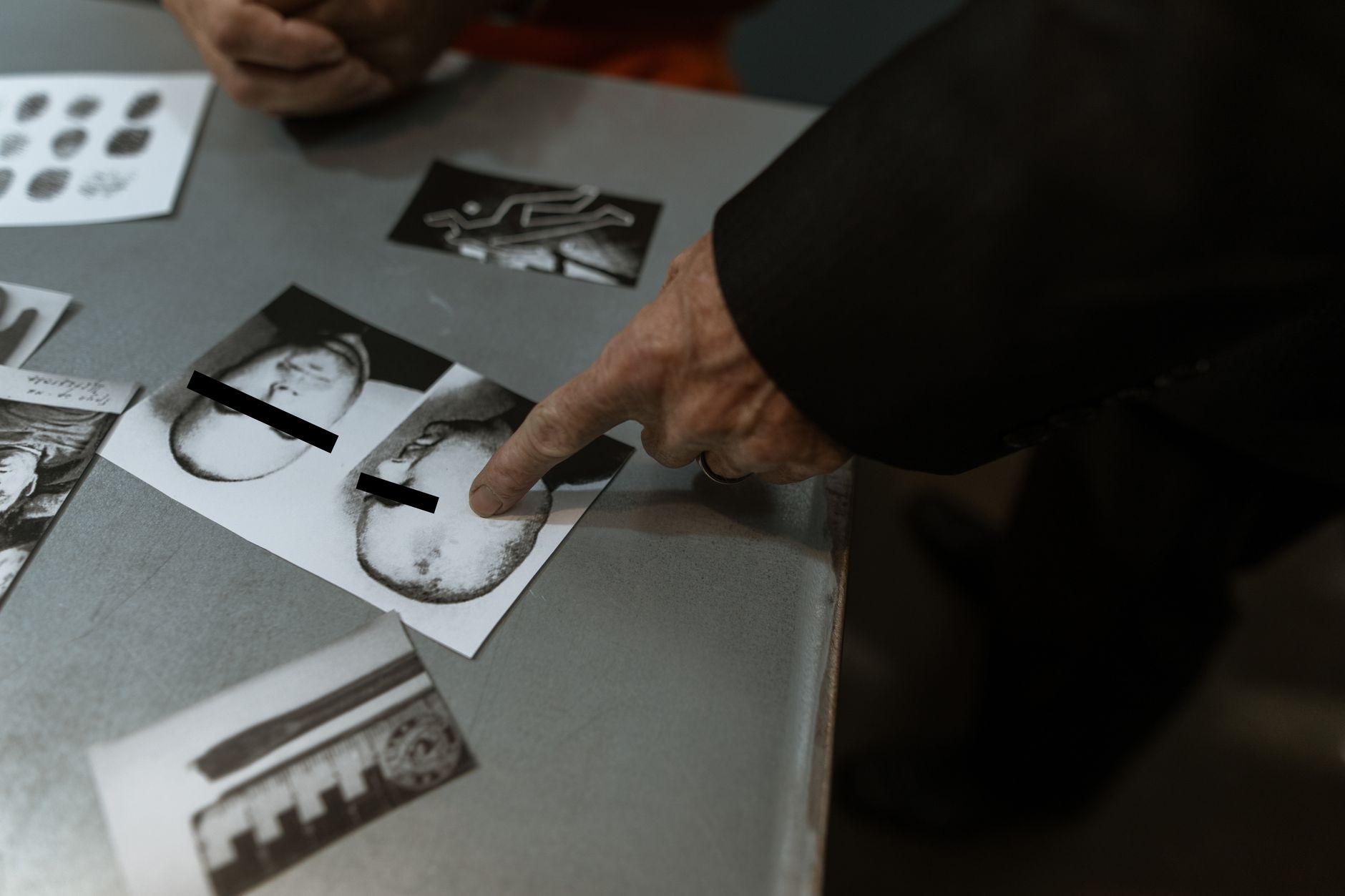
Fingerprints submitted to the FBI returned a match within hours. The victim was Elizabeth Short, originally from Medford, Massachusetts. Short had been arrested in 1943 in Santa Barbara for underage drinking, and her prints remained on file. At the time of her death, she had been living intermittently in Los Angeles, staying with various acquaintances in the weeks before her disappearance.
The press and the nickname
Los Angeles newspapers moved quickly on the case. Reporters began calling Short the “Black Dahlia,” a moniker later attributed to her dark hair and clothing, though its exact origin remains disputed. Some accounts link it to the 1946 film “The Blue Dahlia,” while others tie it to a Long Beach drugstore where Short was reportedly known by the name. The nickname stuck and became inseparable from the case.
Press coverage was extensive and often sensationalized. Newspapers published details of Short’s personal life, including her movements in the months before her death and relationships with men she had dated or stayed with. Reporters contacted her mother in Massachusetts under the pretense of an award before informing her of her daughter’s death, an approach that drew criticism. The media attention kept the case visible but also generated widespread misinformation and unverified claims.
The investigation and early suspects
The Los Angeles Police Department and the Los Angeles County Sheriff’s Office launched a joint investigation. Detectives interviewed hundreds of individuals, including acquaintances, former boyfriends, and residents of the rooming houses where Short had stayed. Investigators received thousands of tips, including more than 50 confessions, none of which led to a credible suspect.
Several individuals were questioned extensively. Robert “Red” Manley, a married salesman who drove Short from San Diego to Los Angeles on January 9, was one of the last known people to see her alive. He reported dropping her off at the Biltmore Hotel in downtown Los Angeles, where she said she was meeting her sister. Manley submitted to multiple polygraph examinations and was eventually cleared. Hotel staff reported seeing a woman matching Short’s description in the lobby that evening, but her movements afterward remain unconfirmed.
Other early persons of interest included Mark Hansen, a nightclub owner in whose home Short had stayed intermittently, and several men who had dated her in the weeks before her death. None were charged, and no physical evidence conclusively tied any individual to the crime scene or the body.
The letters and continued tips
In the days following the discovery, the Los Angeles Examiner received a letter and package allegedly from the killer. The package contained Short’s personal items, including her birth certificate, social security card, and photographs. The letter, composed of words cut from newspaper headlines, claimed responsibility and taunted investigators. Forensic analysis of the materials yielded no usable fingerprints, and the authenticity of the correspondence was never definitively established. Additional letters were received over the years, but most were dismissed as hoaxes.
Detectives also pursued leads involving individuals with medical or surgical knowledge, given the precision of the body’s bisection. The theory that the killer possessed anatomical expertise became a recurring element in the investigation, though it was never substantiated by concrete evidence. Some investigators believed the mutilation suggested familiarity with dissection, while others argued the cuts could have been made by someone without formal training.
Theories and later claims
Over the decades, numerous theories have been proposed, many based on circumstantial connections or later recollections. Some theories named prominent Los Angeles figures, while others pointed to transient individuals or organized crime connections. No theory has been corroborated by physical evidence or witness testimony sufficient to result in charges.
In the 1990s and 2000s, several books and investigative efforts proposed new suspects, including a prominent Los Angeles physician named George Hodel. His son, former LAPD homicide detective Steve Hodel, published a book in 2003 alleging his father’s involvement based on circumstantial evidence and recordings from a 1950 police surveillance operation. The recordings, made during a separate investigation into sexual assault allegations against George Hodel, included ambiguous statements but nothing that directly implicated him in Short’s death. The Los Angeles District Attorney’s office reviewed the material and declined to pursue charges, citing insufficient evidence.
Other theories have implicated individuals with criminal histories, including a man named Leslie Dillon, who was questioned extensively in 1948 but never charged. Dillon’s case involved disputed investigative tactics and allegations of coercion, and he later sued the LAPD. The case was settled out of court, and Dillon was never prosecuted.
Why the case remains unresolved
Several factors contributed to the case’s status as unsolved. The crime scene yielded limited physical evidence, and the body had been thoroughly cleaned, removing potential traces of the perpetrator. Witness statements were often inconsistent or unverifiable, and the intense media coverage generated a flood of false leads that diverted investigative resources.
The case file, maintained by the LAPD, was never officially closed but remains inactive. In 2013, the FBI released previously classified documents related to the case, though they contained no new leads. Advances in forensic technology, including DNA analysis, have not been applied to the case in a way that has yielded actionable results, in part because key physical evidence has been lost or degraded over time.
The Black Dahlia murder continues to be referenced in popular culture, academic studies of media influence on criminal investigations, and discussions of unsolved homicides. The case remains a point of public fascination, shaped as much by the gaps in the record as by the verified facts.
Where to look next
- Documentary: “The Black Dahlia: The Life and Death of Elizabeth Short” (Investigation Discovery)
- Book: “Black Dahlia Avenger” by Steve Hodel
- Book: “The Black Dahlia Files: The Mob, the Mogul, and the Murder That Transfixed Los Angeles” by Donald H. Wolfe
- Podcast: “The Black Dahlia” (“Crime Junkie”, Audiochuck)