


Case overview
On June 3, 1995, a woman was found dead in room 2805 of the Oslo Plaza Hotel, registered under the name Jennifer Fairgate. The official conclusion was suicide, but investigators later discovered that nearly every piece of identifying information she provided was false, and key evidence at the scene contradicted the ruling.
The check-in and the false identity
The woman checked into the Oslo Plaza Hotel on May 31, 1995, using the name Jennifer Fairgate and listing a Belgian address in the registration. She claimed to be traveling with a man named Lois Fairgate, though no one matching his description was identified or located. Hotel staff noted that she provided no credit card, no passport, and no verifiable contact information.
Investigators later reviewed the details she gave and found that the address did not exist, the phone number was invalid, and the company she listed as her employer had no record of her. Surveillance footage showed her entering and exiting the hotel, but the man she allegedly traveled with never appeared on camera.
The scene in room 2805
On June 3, security personnel entered the room after the woman failed to respond to repeated knocks. She was found lying on the bed, fully clothed, with a gunshot wound to her forehead and a 9mm Browning pistol in her right hand. The weapon had no serial number, and no gunshot residue was detected on her hands.
Her shoes had been removed and placed at the foot of the bed. Her luggage contained clothing with labels removed, no toiletries, and no identification. The room had been secured from the inside using the deadbolt and security latch.
The disputed cause of death
The initial autopsy classified the death as a suicide, citing the single gunshot wound and the locked room. Forensic specialists later raised concerns about the position of the body, the lack of blood spatter consistent with a contact wound, and the absence of gunshot residue. The angle of the wound prompted questions about whether it could have been self-inflicted given the position of her hands and the weapon.
A second examination of the evidence led some investigators to argue that the scene had been staged. Others maintained that the physical evidence, including the locked door and the weapon placement, supported the original ruling. The case was never formally reopened, and no alternative conclusion was issued.
The unidentified woman
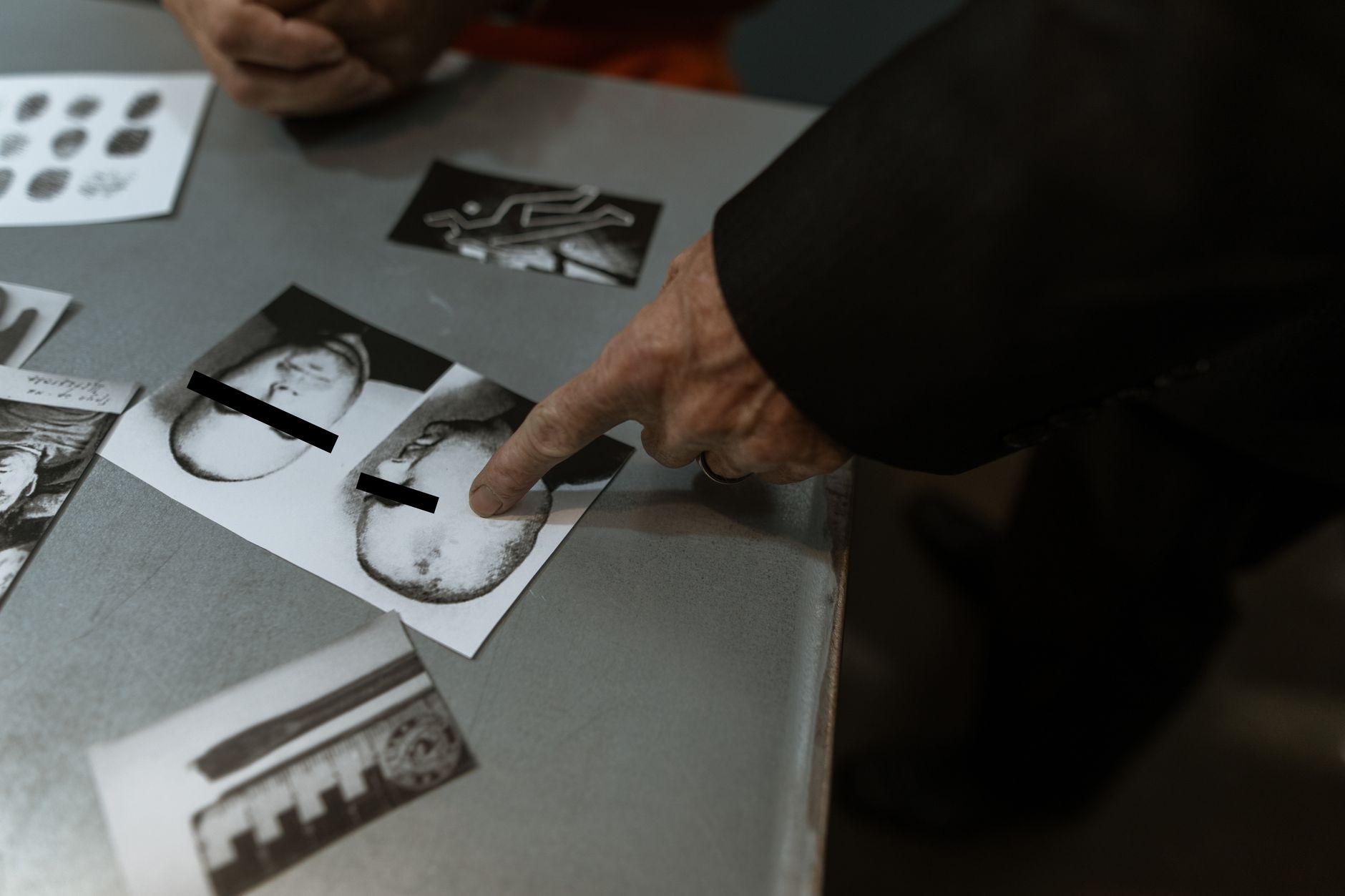
The woman known as Jennifer Fairgate was never conclusively named. Fingerprint and dental records produced no matches in European or international databases. Isotope analysis of her teeth suggested she may have grown up in central or eastern Europe, but the findings were not specific enough to narrow the search.
Investigators released composite images and descriptions of her clothing and jewelry, but no family members, colleagues, or acquaintances came forward. The man she claimed to be traveling with was never identified, and no witnesses reported seeing her with anyone during her stay.
The disputed timeline
Hotel records show that room service delivered food to the room on June 2, and staff heard voices inside, suggesting she was not alone. Surveillance footage from the lobby showed no one entering or leaving the room during that period, and the identity of any possible second occupant remains unknown.
The timing of the gunshot was also disputed. Staff reported hearing a loud noise around 7:50 p.m. on June 3, but the body was not discovered until nearly an hour later. Some investigators questioned whether the delay suggested someone else had been in the room and left before security arrived.
The belongings and missing items
The items found in the room raised additional questions. The woman had over 30 rounds of ammunition but no passport, driver’s license, or personal documents. Her clothing was expensive and appeared recently purchased, but all labels had been removed. Investigators found no hairbrush, cosmetics, or personal care items, which they noted was unusual for a multi-day hotel stay.
The gun itself was untraceable. The serial number had been professionally removed, and the model was commonly used by intelligence and security personnel in Europe during the 1990s. Ballistics experts could not determine where the weapon originated or how she obtained it.
The investigation’s end
Norwegian authorities closed the case in 1996, listing the cause of death as suicide and the woman’s identity as unknown. No arrest was made, no suspect was named, and no further forensic review was ordered. The case file remained inactive for more than two decades.
In 2019, the case gained renewed attention after it was featured in the Netflix series “Unsolved Mysteries.” Investigators and forensic experts were interviewed, and previously unpublished evidence was made public. Despite the attention, no new leads resulted in a confirmed identity or revised conclusion.
What remains unresolved
The death of Jennifer Fairgate remains officially classified as a suicide, but key questions continue to divide investigators. The locked room and weapon placement support the original ruling, but the lack of gunshot residue, the missing identification, and the presence of an unidentified second person in the hotel complicate the conclusion.
Her identity has never been confirmed, and no credible theory has explained why she used multiple false names, traveled with untraceable belongings, and carried a weapon with no serial number. The case remains open to reinterpretation, but no agency has committed resources to a formal reinvestigation.
Where to look next
- Documentary: “Unsolved Mysteries: A Death in Oslo” (Netflix)
- Podcast: “Death in Ice Valley” (NRK and the BBC)
- Podcast: “Casefile True Crime Podcast”