


Case overview
The death of Julie Doe remains disputed, with official findings challenged by family members, independent experts, and unresolved questions about the evidence. Authorities ruled the manner of death, but conflicting interpretations of forensic details and investigative gaps have left key aspects of the case open to debate. The investigation continues to draw scrutiny over what was documented, what was overlooked, and what remains unexplained.
The initial investigation
Julie Doe was found deceased under circumstances that immediately drew law enforcement attention. The scene was processed, evidence was collected, and witness statements were taken. Investigators worked to establish a timeline, identify the last known contact, and determine whether foul play was involved.
An autopsy was conducted, and a cause of death was determined. The official report documented physical findings, toxicology results, and contributing factors. Authorities classified the manner of death according to standard forensic categories.
The case was initially treated as closed following the release of the autopsy report and the conclusion of the primary investigation. Questions about the completeness of the evidence review and the interpretation of key findings began to surface shortly after.
Disputed forensic evidence
Family members and independent observers raised concerns about the forensic conclusions. Specific details cited in the autopsy report were challenged as inconsistent with the physical evidence or the known circumstances surrounding the death.
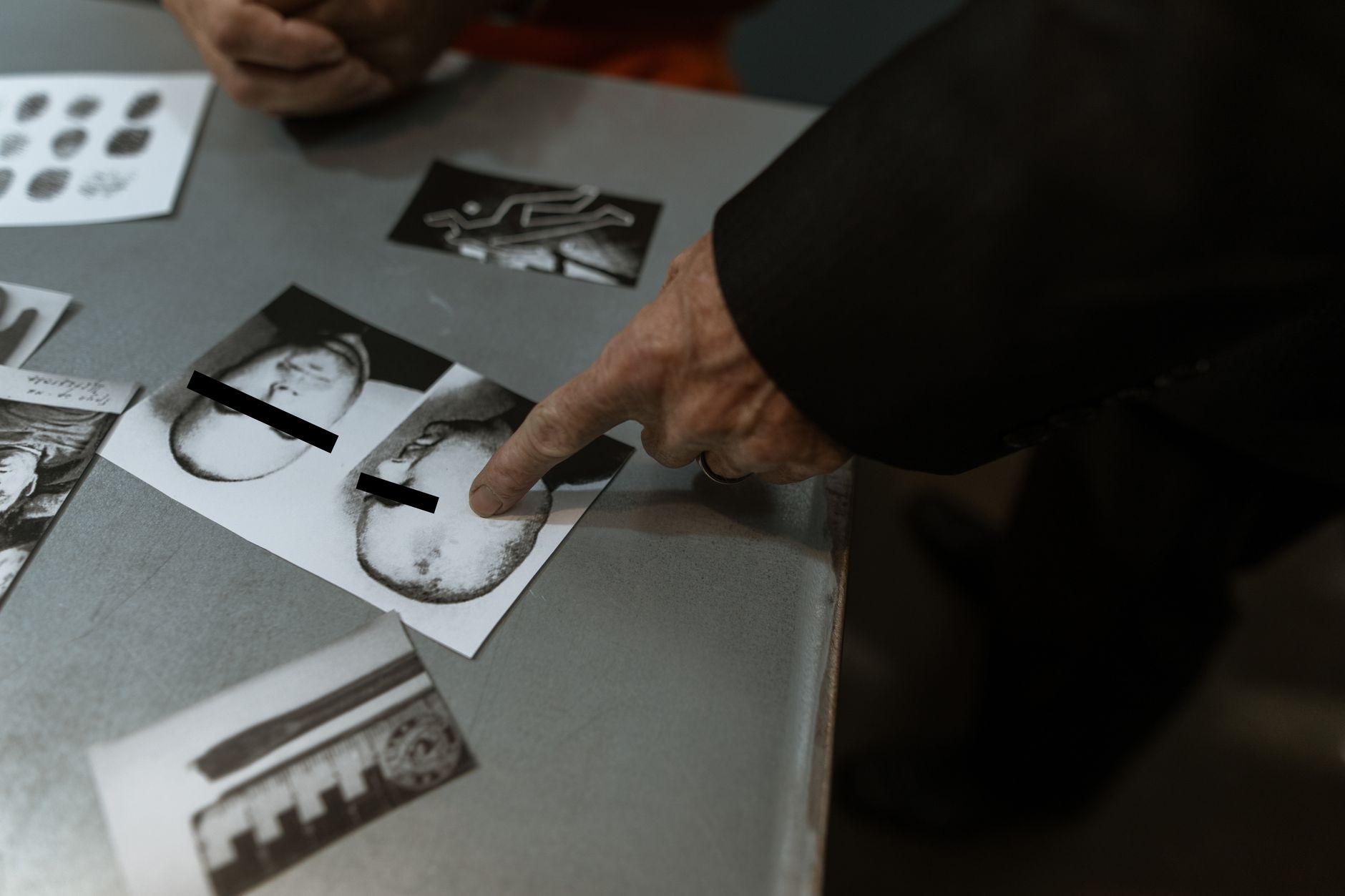
One area of dispute centered on injuries documented during the examination. Questions arose about whether the injuries aligned with the official explanation or suggested an alternative scenario. The positioning of the body, the condition of the scene, and the absence of certain expected evidence became focal points in the debate.
Toxicology results also drew scrutiny. Outside experts offered differing interpretations of what the findings indicated about the events leading up to the death. Some argued the results supported the official determination, while others contended they pointed to gaps in the investigation.
Efforts to obtain a second opinion or independent review faced procedural and jurisdictional obstacles. The original findings remained the official record, but disagreement over their accuracy and completeness continued to fuel public interest and calls for further examination.
Investigative gaps and unanswered questions
Several aspects of the investigation were later identified as incomplete or inadequately addressed. Witnesses who may have had relevant information were not interviewed, or their statements were not fully incorporated into the investigative narrative. Timeline discrepancies emerged, raising questions about the sequence of events and the accuracy of the initial reconstruction.
Physical evidence from the scene was either not collected, not tested, or not preserved in a manner that allowed for later review. This limitation became a point of contention when advocates sought to challenge the original findings or introduce new forensic analysis.
The handling of digital evidence, if any existed, was also scrutinized. Phone records, electronic communications, and other digital traces were either not obtained or not thoroughly analyzed. The absence of this information left gaps in understanding the decedent’s activities, state of mind, and interactions in the period leading up to the death.
Law enforcement maintained that the investigation was conducted according to standard procedures and that the findings were supported by the available evidence. Critics argued that standard procedures were insufficient given the disputed nature of the forensic conclusions and the presence of unresolved inconsistencies.
Family and advocate response
The family of Julie Doe rejected the official determination and launched efforts to reopen the case. They retained independent experts, conducted their own review of available records, and sought legal avenues to challenge the findings or compel further investigation.
Public advocacy efforts brought attention to the case, generating media coverage and community support. Petitions were circulated, and pressure was applied to officials to revisit the evidence and address the unresolved questions.
The case remained classified according to the original determination. No formal reopening was announced, and no additional forensic review was conducted by the investigating agency. The official stance remained that the case was resolved based on the evidence available at the time.
Current status and ongoing debate
The death of Julie Doe continues to be debated among forensic experts, legal advocates, and those following the case. The lack of consensus on key forensic findings and the presence of investigative gaps have kept the matter open in public discussion, even as the official record remains unchanged.
Questions persist about what additional evidence might have been gathered, what alternative interpretations of the forensic findings are possible, and whether the case warrants formal reconsideration. The dispute reflects broader concerns about the rigor of death investigations, the transparency of forensic processes, and the mechanisms available to challenge official determinations when families and experts disagree.
The case stands as an example of how unresolved questions and disputed findings can outlast the official closure of an investigation, leaving a record that remains incomplete and contested.
Where to look next
- Documentary: “Autopsy: The Last Hours Of…” (Reelz)
- Book: “The Death of Innocents” by Richard Firstman and Jamie Talan
- Podcast: “Unexplained Death” (“Crime Junkie”, Audiochuck)