


Case overview
Six-year-old Mary Boyle disappeared on March 18, 1977, while walking a short distance to her grandparents’ home in Cashelard, County Donegal, Ireland. She was last seen near her uncle’s property during a family visit, and despite extensive searches and witness interviews, no trace of her was ever found. The case remains Ireland’s longest-running missing child investigation, defined by a compressed timeline and the unanswered question of where she went in those final minutes.
The visit and the last movements
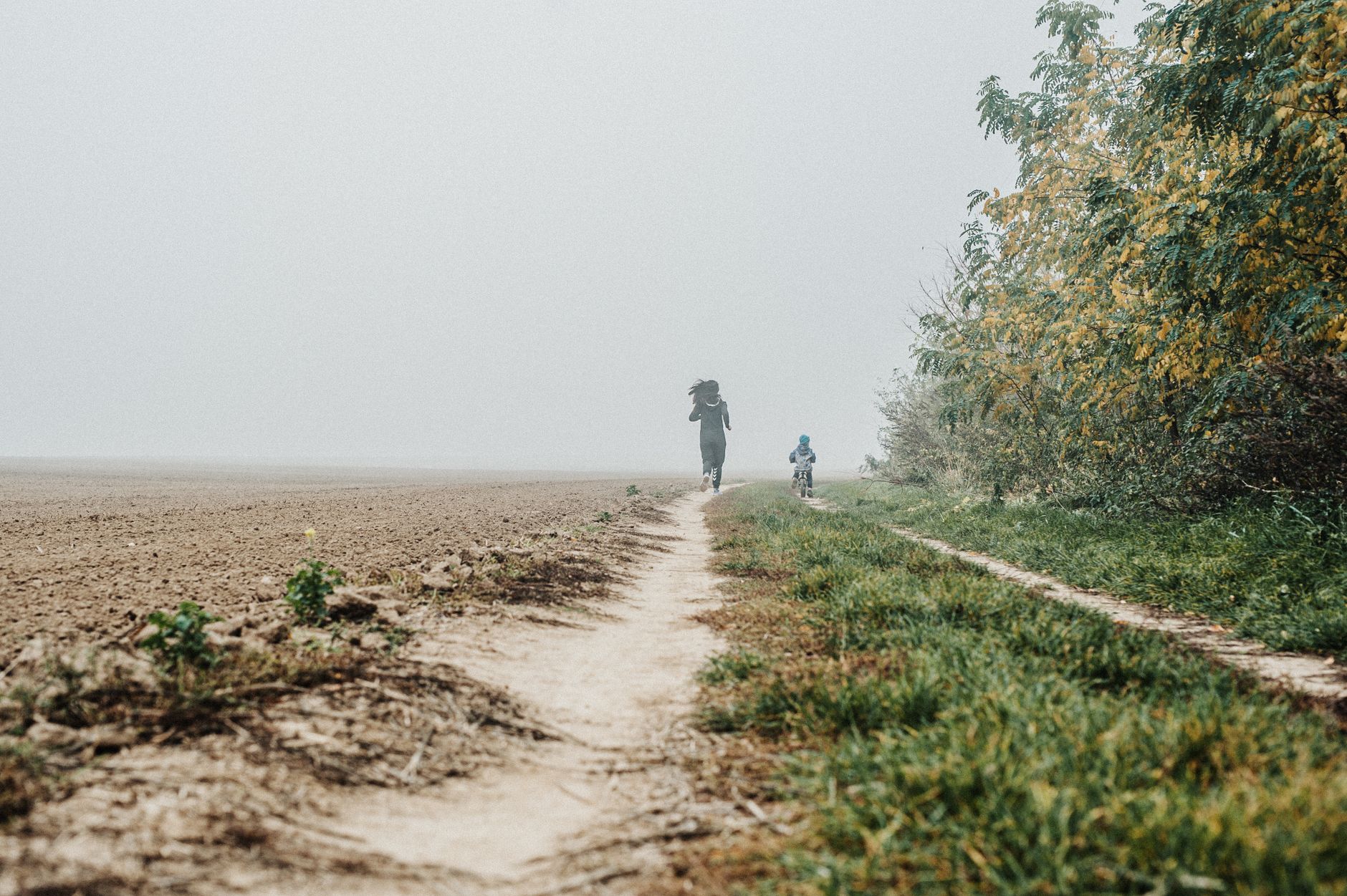
Mary Boyle traveled with her twin sister Ann and their family from their home in Kincasslagh to visit relatives in Cashelard, a rural townland in northwest Donegal. The area was isolated, marked by bogland, small farms, and narrow roads with limited visibility. On the afternoon of March 18, Mary accompanied her uncle on a short walk from his home toward her grandparents’ house, located roughly half a mile away along a familiar dirt track.
According to witness accounts, Mary was last seen near her uncle’s property around 3:30 p.m. She was wearing a blue cardigan, a skirt, and distinctive red wellington boots. Her uncle stated that Mary had been walking slightly ahead of him and that he turned back briefly to attend to something at the house. When he looked again, she was gone.
That brief span, likely no more than a few minutes, became the central mystery of the case. There was no scream, no struggle reported, and no indication that Mary had veered off the path or into the surrounding bog. She simply was no longer there.
The search begins
Mary’s family raised the alarm within an hour. Local residents, An Garda Síochána officers, and volunteers mobilized quickly, combing the bogland, checking outbuildings, and searching the shoreline of nearby Lough Doo. The terrain was difficult: waterlogged, uneven, and prone to sudden drops and hidden cavities. Searchers used poles to probe the peat and dragged sections of the lough.
Despite the rapid response and the deployment of cadaver dogs, nothing was found. No clothing, no disturbance in the landscape, no sign that Mary had wandered into the bog or fallen into water. The absence of physical evidence was striking given the confined geography and the speed of the search effort.
Within days, the investigation expanded. Gardaí began conducting door-to-door inquiries and interviewing anyone who had been in the area that afternoon. Roadblocks were set up to question drivers who may have passed through Cashelard. But the location’s remoteness meant there were few passersby, and those who were interviewed reported seeing nothing unusual.
Witness accounts and timeline gaps
Investigators worked to reconstruct Mary’s movements in the minutes before she disappeared. The timeline was tight. Her uncle’s account placed her near the property just before 3:30 p.m., and the alarm was raised by 4:30 p.m. That left a window of roughly one hour, though the actual moment she was last seen likely compressed that window further.
Some reports referenced sightings of a vehicle in the area that afternoon, though descriptions were vague and unverified. Others mentioned hearing a child’s voice or seeing a young girl near the road, but none of these leads produced concrete results. The rural setting, combined with limited traffic and sparse population, meant there were few reliable witnesses beyond immediate family members.
One question centered on whether Mary could have been taken by someone who knew the area well. The narrow roads and concealed geography made random abduction less likely, according to investigators, but not impossible. The possibility that Mary had been met by someone familiar, or coaxed into a vehicle, remained a focus of inquiry for years.
Theories and investigative dead ends
In the absence of physical evidence, theories proliferated. Some suggested Mary had fallen into an unmapped section of bog or a hidden water channel that had not been thoroughly searched. Others believed she had been abducted and taken out of the area quickly, before search efforts intensified. A small number of individuals pointed to the possibility of foul play involving someone within the extended family or social circle, though no arrests were ever made.
Gardaí investigated multiple persons of interest over the years, including individuals with prior convictions or behavior that raised concerns. Some were questioned and released. Others were monitored but never charged. The lack of forensic evidence, combined with the passage of time, made it difficult to substantiate any single theory.
In 2016, a review of the case was conducted by a detective team with experience in cold case investigations. The review examined original witness statements, searched archived records, and re-interviewed individuals who had been children at the time of Mary’s disappearance. The effort did not produce new physical evidence, but it reaffirmed the investigative consensus that the timeline between Mary’s last sighting and her disappearance was extraordinarily brief.
Family advocacy and public attention
Mary’s twin sister Ann became a vocal advocate for the case in adulthood, pushing for renewed investigation and greater transparency around the original inquiry. Ann Boyle raised concerns about how certain leads had been handled and questioned whether all potential witnesses had been fully examined. She called for the release of case files and urged Gardaí to apply modern forensic techniques to any remaining evidence.
The case drew periodic media attention, particularly around anniversaries of Mary’s disappearance. Documentaries and investigative features revisited the timeline, interviewed family members, and explored the challenges inherent in searching remote terrain. Public interest remained steady, fueled in part by the absence of resolution and the specificity of the known facts.
Despite the advocacy and renewed attention, no definitive breakthrough emerged. The case file remained open, classified as an active missing persons investigation, but without new evidence or witness testimony, progress stalled.
Unresolved questions and investigative limits
More than four decades later, the disappearance of Mary Boyle is still defined by the same unanswered questions that emerged in 1977. What happened in those few minutes when she was last seen? Did she wander off the path into terrain that concealed her remains, or was she taken by someone who understood the geography and timing well enough to act undetected?
The case illustrates the limitations of search efforts in rural environments, where landscape and infrastructure make rapid containment and systematic canvassing difficult. It also underscores the investigative challenges posed by minimal physical evidence and the erosion of memory over time.
Mary Boyle’s family continues to seek answers. Gardaí have stated the case remains under review, and advances in forensic technology have been applied where possible. But without a body, a witness willing to come forward, or a verifiable new lead, the investigation remains unresolved.
Where to look next
- Documentary: “The Disappearance of Mary Boyle” (RTÉ Investigates)
- Book: “Missing, Presumed” by Colin Breen and Anthony Galvin
- Podcast: “Casefile True Crime” (Casefile Presents)