
Case overview
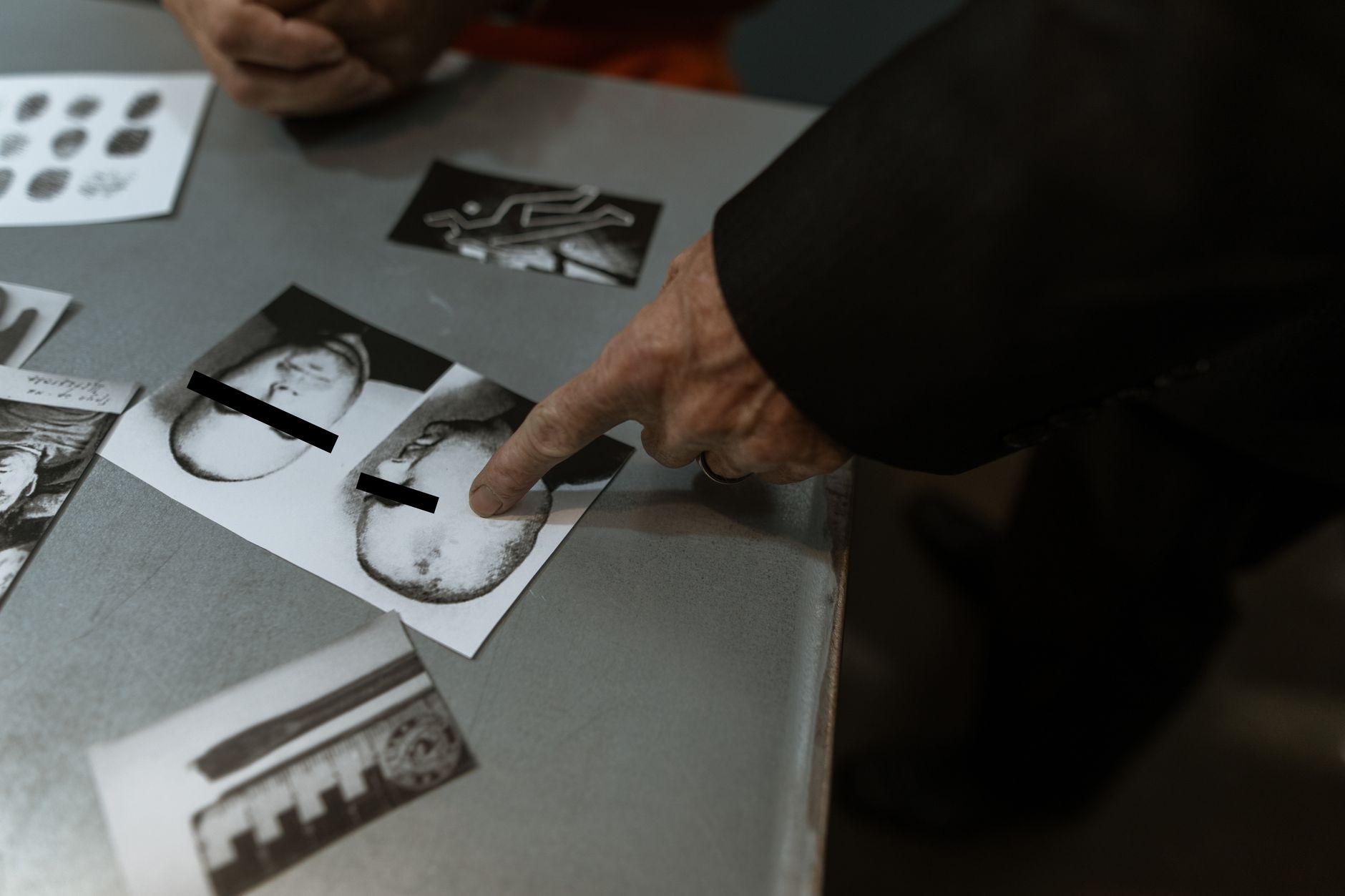
Between January 1974 and September 1975, six men were killed in San Francisco in a series of stabbings tied to a suspect known only as the Doodler, a nickname derived from his habit of sketching his victims before the attacks. Two survivors came forward and provided enough information to generate a composite sketch and identify a person of interest, but both declined to cooperate further with the investigation. The case remains unsolved, and no charges have ever been filed.
The first victim and the pattern that followed
On January 27, 1974, the body of Gerald Earl Cavanaugh, 50, was discovered near Ocean Beach in San Francisco. He had been stabbed multiple times. Cavanaugh, a former U.S. Navy veteran, frequented gay bars and nightclubs in the Castro District. His death was initially treated as an isolated homicide.
Four months later, on June 25, 1974, Joseph “Jae” Stevens, 27, was found stabbed to death in the same area. Stevens was a performer and entertainer who moved in the same social circles as Cavanaugh. Investigators noted similarities in the method of killing and the location of the body.
On July 7, 1974, Klaus Christmann, 31, a tourist from Germany, was found dead near Spreckels Lake in Golden Gate Park. He had been stabbed repeatedly. Within weeks, on August 4, 1974, Frederick Elmer Capin, 32, was discovered stabbed to death in Lincoln Park. Both victims had last been seen in gay bars in the Castro and Polk Street areas.
Harald Gullberg, 66, was found dead on June 4, 1975, also in Lincoln Park. Warren Andrews, 52, was killed on September 27, 1975, in the same location. All six victims were white men between the ages of 27 and 66. All had been stabbed multiple times in isolated areas near the waterfront or within city parks.
The survivors and the composite sketch
Two men survived encounters with the suspect and provided detailed accounts to investigators. Both described meeting a young Black man in his early twenties at gay bars or social gatherings. The man was soft-spoken, polite, and carried a sketchpad. He would offer to draw portraits of the men he met, and both survivors recalled sitting for sketches before being attacked.
One survivor was stabbed and left for dead near Ocean Beach but managed to reach a nearby road and flag down a passing driver. The second survivor fought off his attacker and escaped with non-life-threatening injuries. Both men were shown photographs and composites by the San Francisco Police Department and identified the same individual as their attacker.
Using the descriptions provided by the survivors, investigators developed a composite sketch of the suspect. The sketch depicted a clean-cut young man with short hair and a calm demeanor. It was circulated through local media and distributed in the Castro District and surrounding neighborhoods.
The person of interest and the stalled investigation
Investigators identified a suspect who matched the composite sketch and the survivors’ descriptions. The individual was a young Black man in his early twenties who worked as a sketch artist and frequented the same bars and clubs as the victims. He was brought in for questioning but was never arrested or charged.
Both survivors were asked to participate in a formal identification process, but both declined. According to statements later attributed to investigators involved in the case, the survivors were concerned about being publicly identified as gay at a time when social stigma and discrimination were widespread. Without their cooperation, prosecutors determined there was insufficient evidence to bring charges.
The suspect was released, and the investigation lost momentum. No additional murders fitting the pattern occurred after September 1975, leading investigators to speculate that the suspect had either stopped killing, moved away, or died.
The 2019 reopening and DNA testing
In February 2019, the San Francisco Police Department announced that the case had been reopened and assigned to a cold case team. Investigators stated that advances in DNA technology had made it possible to reexamine evidence collected from the crime scenes.
The department also revealed that it had reached out to the families of the victims and to the surviving witnesses in an effort to gather additional information. A tip line was established, and the public was asked to come forward with any knowledge of the case.
In July 2021, the SFPD released an age-progressed sketch of the suspect, showing what he might look like in his sixties or seventies. The department also stated that it believed the suspect might still be alive and living in San Francisco or the surrounding Bay Area.
No arrests have been made since the case was reopened, and the department has not publicly identified the original person of interest or confirmed whether that individual is still considered a suspect.
The investigative gaps and disputed elements
The Doodler case has been marked by questions about what could have been done differently. The decision by both survivors not to cooperate with the investigation remains one of the most discussed aspects of the case. Some former investigators have stated that the reluctance was understandable given the social climate of the 1970s, while others have argued that more effort should have been made to protect the identities of the witnesses.
There has also been debate about whether the SFPD adequately prioritized the case at the time. The murders occurred during a period of significant violence in San Francisco, and some advocates have argued that cases involving gay victims received less attention and fewer resources than other homicides.
The lack of physical evidence has also complicated the investigation. DNA technology was not available in the 1970s, and it is unclear how much usable evidence remains from the original crime scenes. The SFPD has not disclosed what specific evidence is being tested or whether any DNA profiles have been developed.
The legacy and the question that remains
The Doodler case is considered one of the most significant unsolved serial homicide investigations in San Francisco history. It has been cited in discussions about the treatment of LGBTQ victims in criminal investigations and the impact of social stigma on witness cooperation.
The case has also drawn comparisons to other unsolved serial murder investigations from the same era, including the Zodiac Killer and the Original Night Stalker, both of which involved composite sketches, uncooperative or unavailable witnesses, and gaps in physical evidence.
The SFPD continues to list the case as open and active. The original person of interest has never been named publicly, and it remains unclear whether that individual is alive or deceased. The case remains defined by the question of whether the investigation could have resulted in an arrest had the survivors been willing or able to testify.
Where to look next
- Documentary: “The Doodler” (Peacock)
- Podcast: “Snap Judgment Presents: Spooked” (WNYC Studios)
- Book: “The Book of Queer” by Eric Marcus