Case overview
In July 1968, six members of the Robison family were found shot to death inside their cottage near Good Hart, Michigan, more than a month after they were killed. Richard Leinweber, the family’s business associate and a man known to have visited the cottage days before the murders, became the primary suspect, but he died by suicide before charges could be filed.
The victims and the cottage
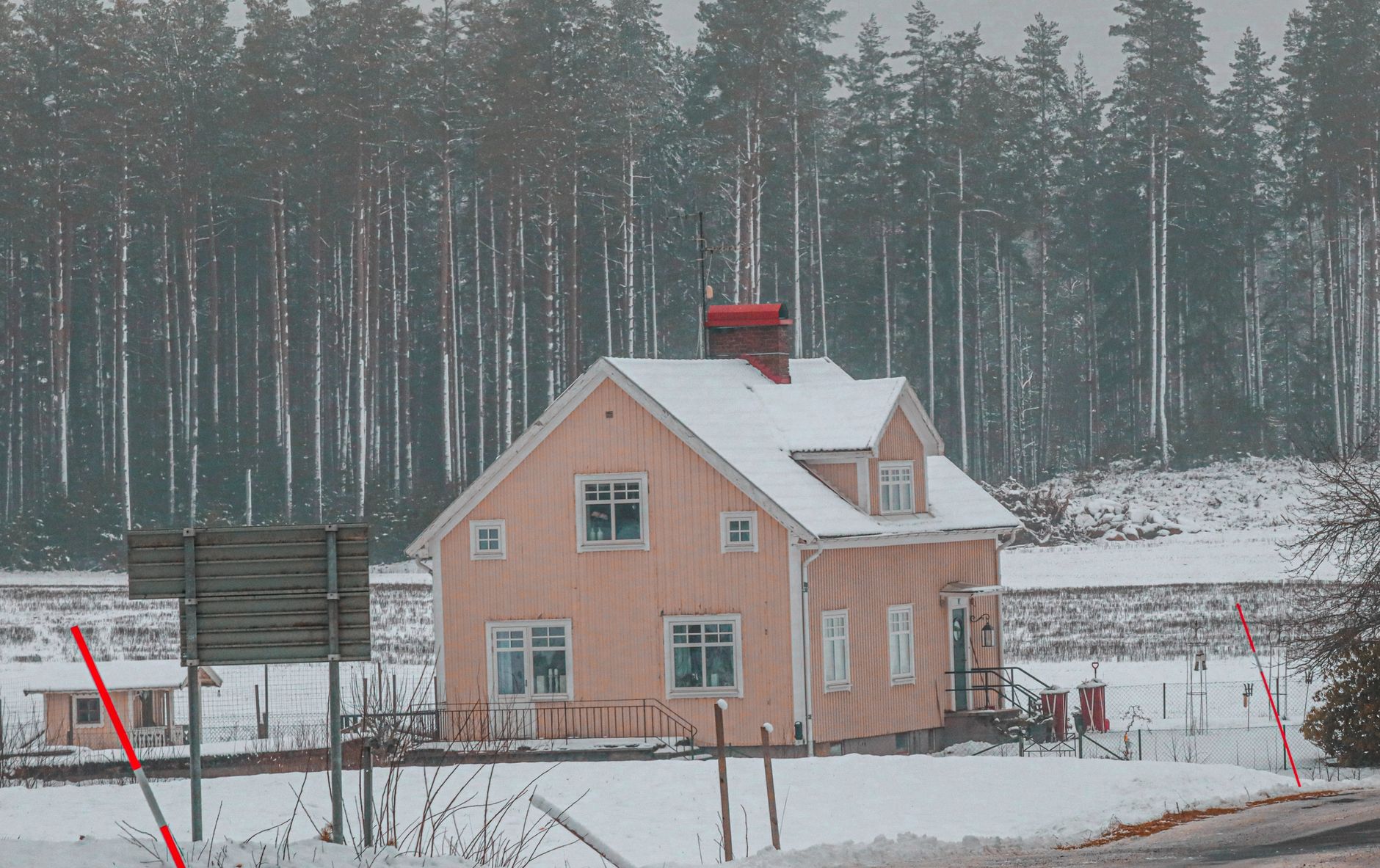
Richard Robison, 42, was a successful advertising executive in the Detroit area. His wife Shirley, 40, and their four children—Ritchie, 19, Gary, 16, Randy, 12, and Susan, 7—spent part of June 1968 at the family’s summer cottage on the shore of Lake Michigan in Emmet County. The property sat on a sparsely populated stretch near the village of Good Hart, about 20 miles north of Harbor Springs.
The family arrived at the cottage on June 16, 1968. Neighbors recalled seeing the Robisons’ vehicle and lights on in the cottage during the following days. By late June, the cottage appeared quiet. Mail accumulated. No one responded to phone calls or visitors.
Discovery of the bodies
On July 22, 1968, a family friend who had been unable to reach the Robisons drove to the cottage and found the front door unlocked. Inside, he discovered all six members of the family dead. Each had been shot. Investigators determined the bodies had been in the cottage for several weeks. Decomposition was advanced, complicating the determination of precise time of death.
Autopsies revealed that the family had been killed by gunfire from a .25-caliber weapon. Bullet trajectories and positioning of the victims suggested they had been shot in different areas of the cottage. There was no sign of forced entry. Nothing of significant value appeared to have been taken, though investigators noted that some personal items and the family’s vehicle were missing.
Forensic and timeline reconstruction
Investigators worked to establish when the murders occurred. Witnesses reported seeing activity at the cottage through June 25. A neighbor recalled hearing what sounded like firecrackers or gunshots on the evening of June 25, though she did not report it at the time. Pathologists estimated the time of death to be between June 25 and June 27, 1968.
The .25-caliber shell casings found at the scene did not match any weapon recovered during the investigation. Bloodstain patterns and the positions of the bodies indicated that several victims had been shot while trying to flee or hide. Forensic analysis revealed no useful fingerprints from an unidentified individual. The missing vehicle, a 1966 Chevrolet Impala, was later found abandoned in a remote area near Traverse City, wiped clean of prints.
Richard Leinweber enters the investigation
Within days of the discovery, investigators focused on Richard Leinweber, 28, a business associate of Richard Robison. Leinweber had worked with Robison in the advertising business and had borrowed money from him. Witnesses placed Leinweber at the Robison cottage on June 22, 1968, just days before the estimated date of the murders. Leinweber had told others he was visiting to discuss a business deal.
Leinweber was questioned multiple times by Michigan State Police. He acknowledged visiting the cottage but denied being there on or after June 25. His account of his movements during the key days conflicted with statements from other witnesses. Friends and family members reported that Leinweber had seemed anxious and evasive in the weeks following the murders.
Weapon, motive, and inconsistencies
Investigators learned that Leinweber owned a .25-caliber handgun, the same caliber used in the murders. When questioned, Leinweber claimed he had sold the weapon weeks before the killings. He could not provide the name of the buyer or documentation of the sale. Efforts to locate the weapon or verify the transaction were unsuccessful.
Detectives identified financial strain as a possible motive. Leinweber owed Robison money and had recently been involved in failed business ventures. Associates described mounting pressure on Leinweber to repay debts. Despite the accumulation of circumstantial evidence, no physical evidence directly linked Leinweber to the crime scene.
Leinweber’s death and the end of the investigation
On July 25, 1968, three days after the bodies were discovered, Richard Leinweber was found dead in his home in Bloomfield Hills, Michigan. He had died by suicide from carbon monoxide poisoning. He left no note. His death ended the prospect of an arrest or trial.
Investigators reviewed evidence and witness statements in the months that followed. The case file indicated that detectives believed they had identified the killer but lacked the physical evidence needed to secure a conviction had Leinweber lived. The Emmet County prosecutor declined to issue a posthumous statement naming Leinweber as the perpetrator, citing the absence of a formal charge.
Unanswered questions and alternative theories
The lack of direct forensic evidence linking Leinweber to the scene left room for doubt. Some observers questioned whether the murder weapon had ever been found or properly matched to Leinweber’s firearm. Others pointed to gaps in the timeline that were never fully resolved. No eyewitness placed Leinweber at the cottage on June 25 or later.
Alternative theories surfaced over the years, though none gained traction in official investigative channels. Some speculated that the murders could have been connected to Robison’s business dealings or to unknown conflicts within his social circle. No credible evidence emerged to support these theories, and Michigan State Police maintained that Leinweber remained the only viable suspect.
The case today
The Good Hart murders remain officially unsolved. The case file is still open, though no active investigation has been conducted in decades. The Robison family cottage was demolished years after the murders. The case is periodically revisited by true crime researchers and Michigan historians, but no new evidence has come to light that would alter the investigative conclusions reached in 1968.
The investigation is widely regarded as one of Michigan’s most notorious unsolved homicides, defined not by mystery but by the inability to bring formal charges against the man investigators believed responsible.
Where to look next
- Book: “When Evil Came to Good Hart” by Mardi Link
- Book: “Conspiracy of Silence: The Murder of the Robison Family and the Hearst Kidnapping” by Jim Jones
- Documentary: “Murder in Big Bay” (Investigation Discovery)