
Case overview
Celine Figard, a 23-year-old French woman, was abducted and killed in December 2003 while hitchhiking home from a holiday gathering. Her body was discovered days later, but critical gaps in the timeline and suspect identification have left portions of the case unresolved for more than two decades.
The last confirmed sighting
On December 19, 2003, Figard attended a Christmas party with friends in the Bourgogne region of France. She left the gathering in the early morning hours of December 20, intending to hitchhike back to her residence in nearby Meursault. Multiple witnesses confirmed seeing her on the roadside near the A6 motorway shortly after 2:00 a.m.
She was last seen accepting a ride from an unidentified driver in a dark-colored sedan. No further confirmed sightings were reported.
Discovery and cause of death
Figard’s body was found on December 23, 2003, in a wooded area approximately 40 kilometers from where she was last seen. The location was remote and required intentional navigation off main roadways. Investigators determined she had been strangled. Her clothing was partially removed, and there were signs of a struggle.
Autopsy findings placed her time of death within hours of her disappearance. No sexual assault was conclusively determined, though the positioning of her body and the removal of clothing suggested a potential motive that was never substantiated through physical evidence.
Initial suspect pool and investigative focus
French authorities focused on drivers known to frequent the A6 corridor during late-night hours. Toll records, service station receipts, and traffic camera footage were reviewed. Several individuals were questioned, including long-haul truck drivers and local residents with prior offenses.
One truck driver with a history of minor traffic violations was detained after his vehicle matched partial witness descriptions. He was released after providing an alibi corroborated by electronic toll records and a fuel purchase timestamp placing him in a different region at the time of the abduction.
No arrests were made in the immediate aftermath.
Forensic evidence and limitations
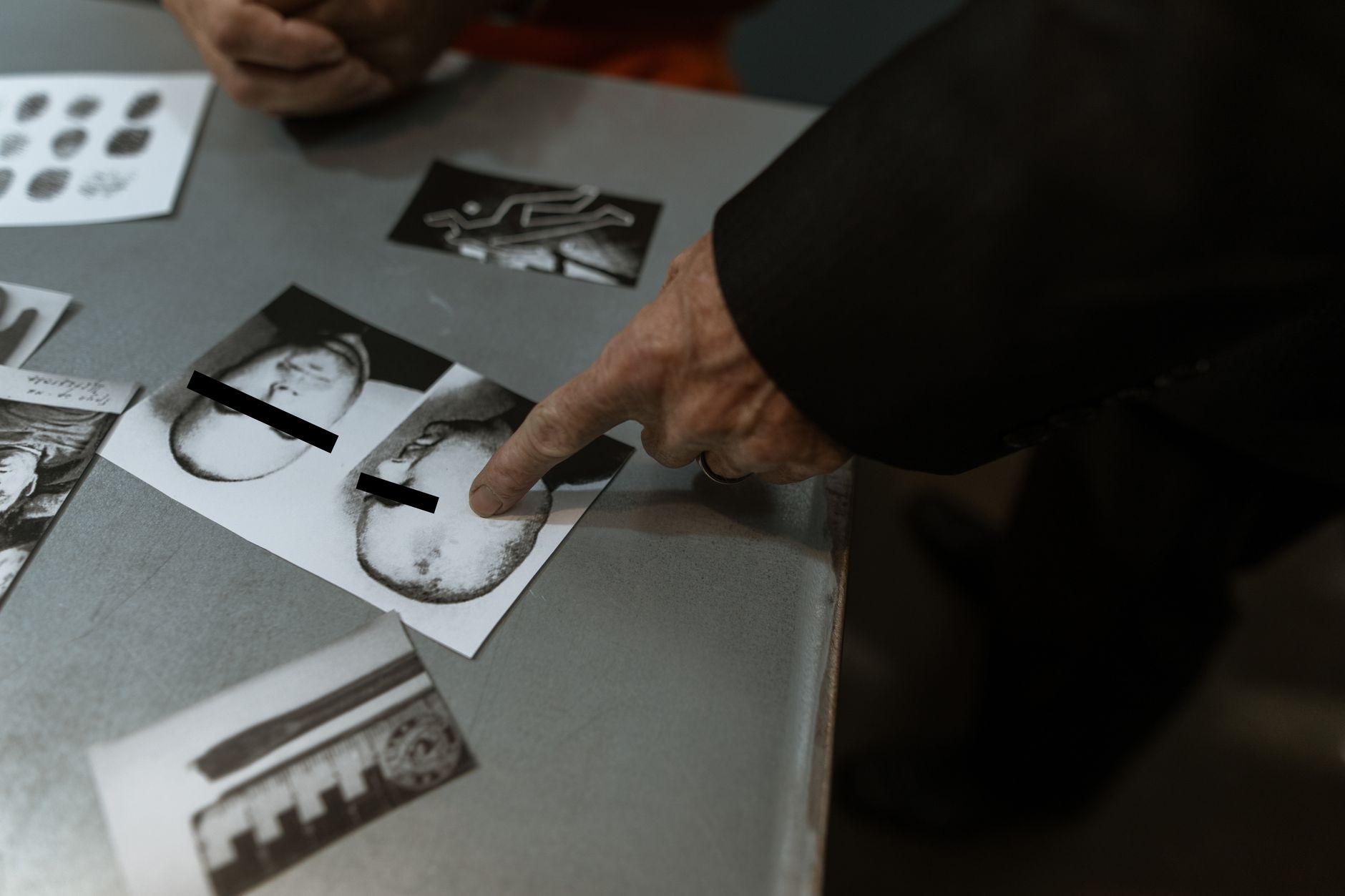
DNA samples were collected from Figard’s clothing and body, but the results were inconclusive. Trace evidence suggested the presence of a second individual, but no match was found in French criminal databases at the time. Fingerprints lifted from her personal belongings were either too degraded or belonged to known associates who were ruled out through alibi verification.
Investigators also examined tire impressions near the body dump site. The tread pattern was consistent with a common sedan model sold widely across Europe, limiting its investigative value.
Behavioral analysis and timeline disputes
Behavioral analysts consulted by the investigation noted that the body’s placement suggested familiarity with the area. The site was not visible from any main road and required local knowledge or deliberate reconnaissance. This led authorities to prioritize suspects with residential or occupational ties to the region.
A major dispute emerged over the timeline. Witnesses who claimed to have seen Figard on the roadside provided conflicting descriptions of the vehicle she entered. Some described a dark sedan, others recalled a van or utility vehicle. The inconsistency complicated suspect identification and raised questions about whether multiple vehicles were involved or whether witness recall was unreliable.
Renewed attention and cold case review
In 2010, the case was reopened as part of a broader cold case initiative by French law enforcement. Advances in DNA analysis allowed for reexamination of evidence previously considered inconclusive. A partial genetic profile was developed, but it did not match any individuals in updated databases.
Investigators also revisited the suspect pool, focusing on individuals who had since been convicted of violent crimes in other jurisdictions. One man, later imprisoned for an unrelated assault, was questioned again due to geographic overlap and behavioral similarities. He denied involvement, and no physical evidence linked him to Figard’s death.
Public appeals and media coverage
Figard’s family launched multiple public appeals for information, including televised reconstructions of her final known movements. The case received significant coverage in French media, particularly on anniversary dates. Despite widespread attention, no credible new leads emerged that resulted in charges.
In 2015, a witness came forward claiming to have seen a man disposing of items matching Figard’s belongings near a rest stop along the A6. The tip was investigated, but the items were never recovered, and the witness could not provide identifying details about the individual.
Current status and unresolved questions
As of 2025, the murder of Celine Figard remains unsolved. The case is classified as open, and investigators continue to accept tips through regional crime hotlines. DNA evidence remains in active storage, awaiting potential future matches through genealogical databases or other emerging technologies.
The central unresolved question concerns the identity of the driver who picked up Figard on December 20, 2003. Despite witness accounts, toll records, and forensic analysis, no individual has been definitively linked to her abduction or death. The dispute over vehicle descriptions and the lack of corroborating physical evidence have prevented closure.
Figard’s family continues to advocate for renewed investigative efforts and has supported legislative measures aimed at improving cold case review protocols in France.
Where to look next
- Documentary: “Disappeared” (Investigation Discovery)
- Documentary: “Unsolved Mysteries” (Netflix)
- Book: “The Cases That Haunt Us” by John E. Douglas and Mark Olshaker