
Case overview
Heather Elvis disappeared from Myrtle Beach, South Carolina, in December 2013 after a series of late-night phone calls. Her abandoned car was found at a boat landing, and despite two convictions for kidnapping, her body has never been recovered. The case remains defined by the disputed timeline of her final hours and the evidence prosecutors used to secure convictions without direct proof of death.
The final hours
On December 18, 2013, Heather Elvis, a 20-year-old hostess at a Myrtle Beach restaurant, finished her shift and returned to her apartment. Phone records later showed she received a call shortly after 1:00 a.m. from a number she recognized. She left her apartment in her black Dodge Intrepid and drove to Peachtree Landing, a remote boat ramp along the Waccamaw River.
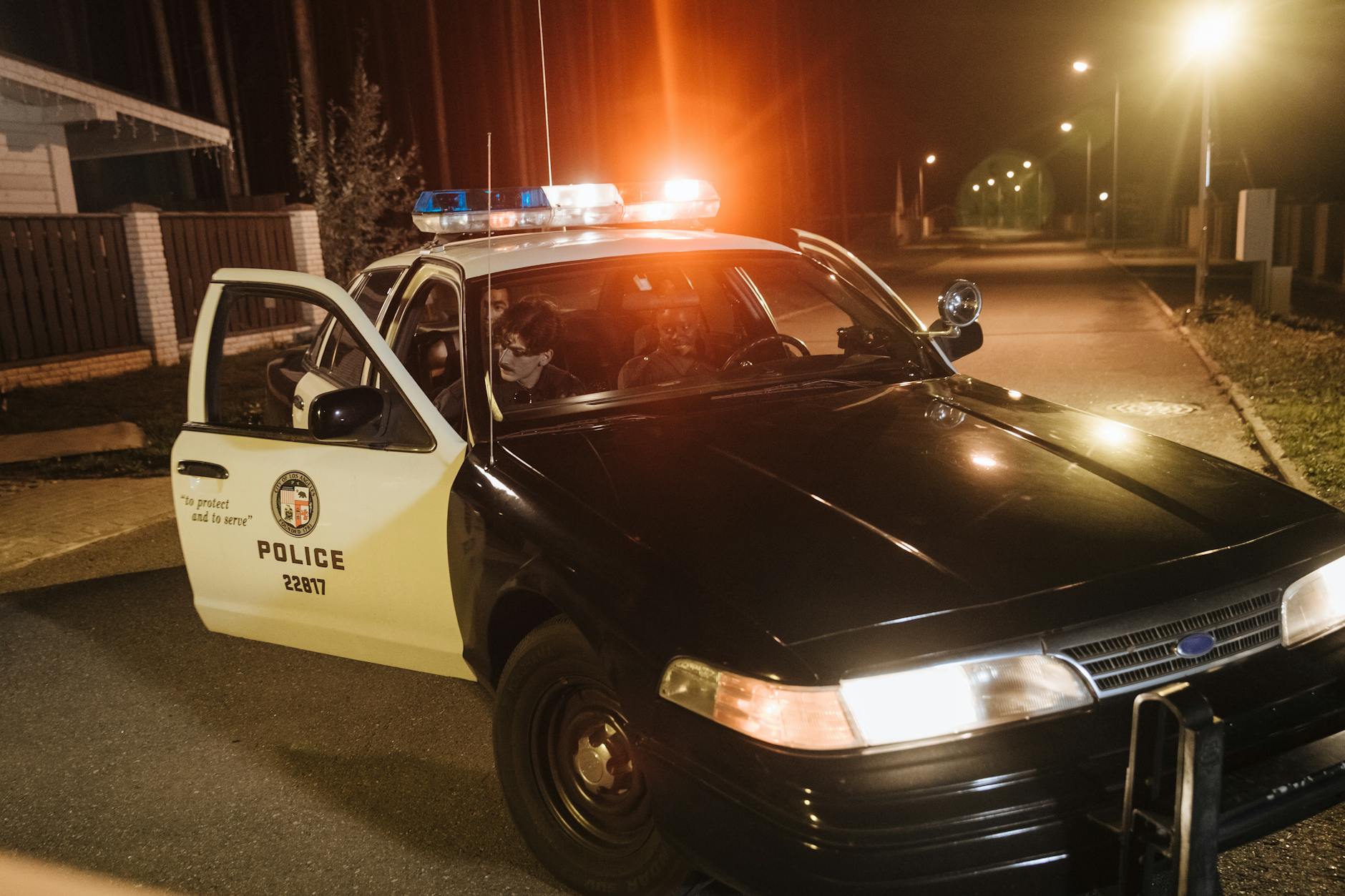
Her car was discovered there hours later, locked, with no signs of struggle inside. Her purse, identification, and other personal belongings were missing. Security footage from a nearby business captured her vehicle arriving at the landing around 3:17 a.m. No footage showed her leaving.
Investigators focused on the phone records. The number that called Heather belonged to Sidney Moorer, a man she had been involved with months earlier. Sidney was married to Tammy Moorer. The relationship had ended after Tammy confronted Heather in October 2013.
The investigation turns
Phone records became the foundation of the case. Investigators determined that Sidney Moorer called Heather multiple times in the early morning hours of December 18. One call lasted several minutes. Shortly after, Heather attempted to call him back but received no answer.
Cell tower data placed Sidney’s phone near Peachtree Landing around the time Heather’s car arrived. His phone and Tammy’s phone both went dark shortly before 3:00 a.m. and reappeared hours later, a pattern prosecutors later argued was deliberate.
Surveillance footage from a nearby gas station showed a Ford F-150 truck registered to the Moorers traveling toward Peachtree Landing around the same time. The truck was later seen returning in the opposite direction.
In February 2014, authorities arrested Sidney and Tammy Moorer on charges of kidnapping and murder. The indictment alleged that the couple lured Heather to the boat landing and killed her. No physical evidence directly tied them to her disappearance, and no body was found.
The trials and convictions
The murder charges were eventually dropped due to the lack of a body and direct evidence. Prosecutors proceeded with kidnapping charges, arguing that the couple had conspired to abduct Heather with the intent to harm her.
Sidney Moorer’s first trial in 2016 ended in a hung jury. His second trial in 2019 resulted in a conviction for kidnapping. He was sentenced to 30 years in prison.
Tammy Moorer was convicted of kidnapping in 2018 and also sentenced to 30 years. Prosecutors presented evidence that Tammy had expressed hostility toward Heather in text messages and social media posts after learning of the affair. One message, sent weeks before Heather’s disappearance, included violent language directed at her.
The defense argued that the evidence was circumstantial and that the state had not proven Heather was dead, let alone kidnapped. They pointed to the lack of forensic evidence, witnesses, or a crime scene. The jury disagreed.
The disputed evidence
The case has been scrutinized for its reliance on indirect proof. No DNA, blood, or physical evidence connected the Moorers to Heather’s disappearance. The convictions rested on phone records, cell tower data, surveillance footage, and the timeline prosecutors constructed.
Defense attorneys challenged the interpretation of the cell tower data, arguing that the technology was not precise enough to confirm the Moorers were at the exact location where Heather’s car was found. They also questioned whether the truck seen on surveillance footage was definitively the Moorers’ vehicle.
Prosecutors countered that the totality of the evidence, including the late-night calls, the couple’s coordinated movements, and Tammy’s documented animosity toward Heather, established guilt beyond a reasonable doubt.
The case also drew attention for the decision to proceed without a body. South Carolina law permits homicide and kidnapping convictions in such cases, but the absence of remains has left questions about what happened at Peachtree Landing.
The search efforts
Multiple searches were conducted in the months and years following Heather’s disappearance. Dive teams explored the Waccamaw River near the boat landing. Cadaver dogs were deployed in wooded areas and along rural roads. Investigators pursued tips that led to properties connected to the Moorers and other locations across Horry County.
None of the searches produced evidence of Heather’s remains. Authorities have not publicly disclosed whether they believe her body was moved, concealed, or disposed of in a way that has prevented recovery.
The family’s position
Heather’s family has maintained that the convictions brought some measure of justice, even without her body being found. Her father, Terry Elvis, has spoken publicly about the case, expressing belief in the Moorers’ guilt and frustration with the legal delays and appeals that followed the trials.
The family has continued to advocate for answers and has supported efforts to keep the case in public view. They have also called for changes to laws that would make it more difficult for defendants in similar cases to avoid accountability.
The unresolved question
The murder of Heather Elvis remains legally unresolved in one critical respect: her body has not been recovered, and the exact circumstances of her death have not been established. The kidnapping convictions affirm that a jury found the Moorers responsible for her disappearance, but the absence of remains leaves the case incomplete.
The Moorers have not provided information about what happened to Heather. Both have maintained their innocence and pursued appeals. As of the most recent filings, those appeals have been unsuccessful.
The case continues to raise questions about how far circumstantial evidence can carry a prosecution and whether justice can be served when the most basic question, where is the victim, remains unanswered.
Where to look next
- Documentary: “Buried in the Backyard: The Heather Elvis Case” (Oxygen)
- Podcast: “Crime Junkie” (Audiochuck)