Case overview
Arlis Perry was found murdered inside Stanford Memorial Church in October 1973, hours after entering alone. The case remained unsolved for more than four decades until DNA evidence and investigative pressure led to the identification of a suspect in 2018, who died by suicide as authorities moved to arrest him.
The last known movements
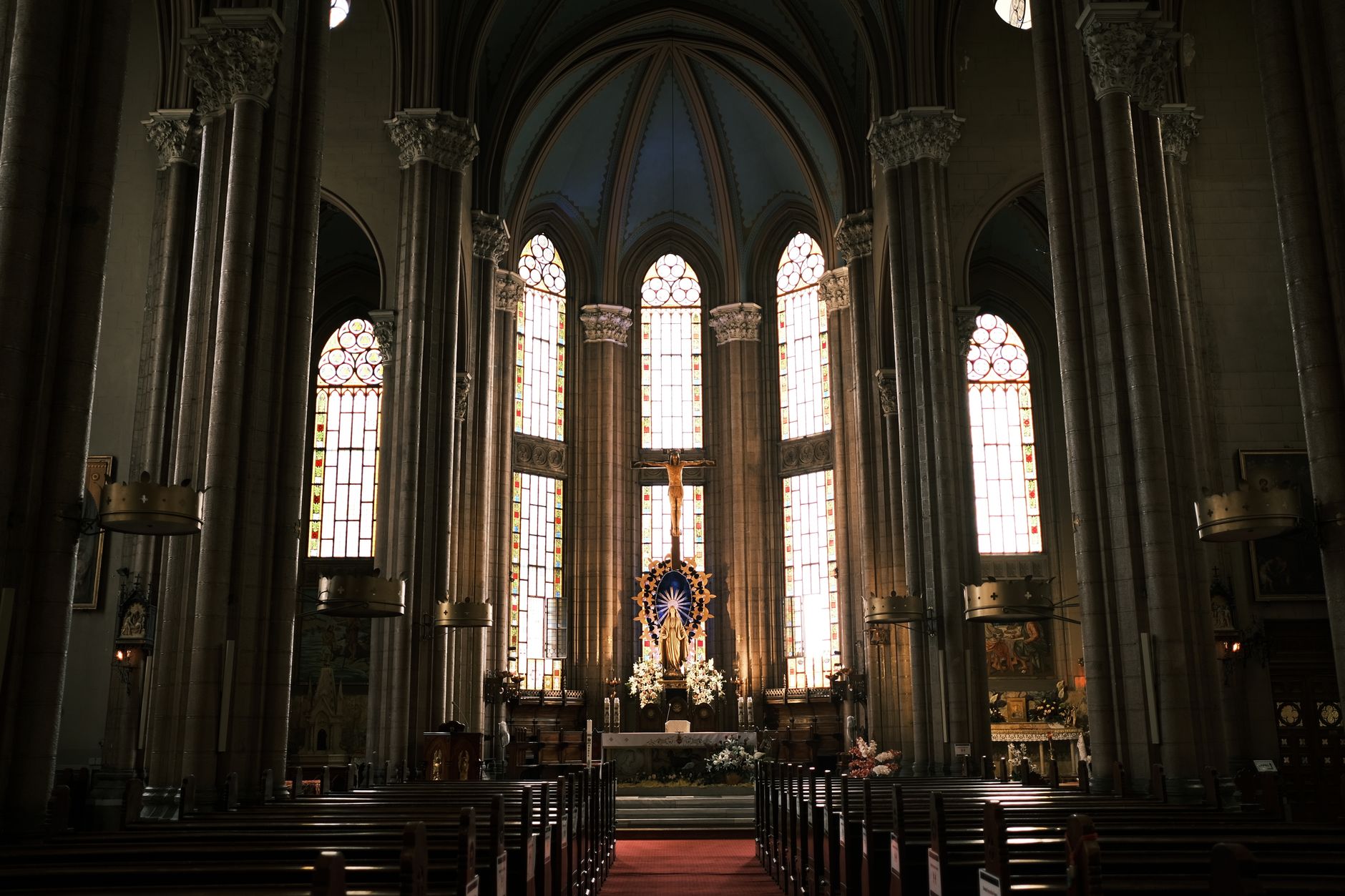
Arlis Perry, 19, arrived at Stanford University in the fall of 1973 with her husband Bruce Perry, a pre-med student. On the night of October 12, the couple had an argument in their campus apartment. Around 11:30 p.m., Arlis left on foot and walked to Stanford Memorial Church, telling Bruce she wanted time alone to think and pray.
Bruce later told investigators he went to the church around midnight to check on her but found the doors locked. He returned to the apartment and fell asleep. A security guard discovered Arlis’s body inside the church shortly before 6:00 a.m. on October 13.
The church had been locked from the inside. Arlis had been sexually assaulted, beaten, and strangled. An ice pick and a candle had been inserted into her body in what investigators described as a ritualistic arrangement.
Initial investigation and early suspects
Santa Clara County Sheriff’s deputies and Stanford police launched an immediate investigation. The crime scene suggested the killer had been inside the church when Arlis entered, or had gained access shortly after she arrived. No signs of forced entry were documented.
Investigators interviewed Bruce Perry extensively. He was cleared after passing a polygraph examination and providing an account that aligned with the timeline. Detectives also questioned church staff, security personnel, and students who had been on campus that night.
One early theory centered on a custodian who had access to the church and was known to work late hours. He was interviewed multiple times but never charged. Another line of inquiry focused on reports of satanic activity in the area, fueled by the ritualistic elements of the crime. No substantive evidence connected those reports to the homicide.
The case grew colder as leads were exhausted. Detectives preserved physical evidence, including biological samples, but DNA technology did not exist at the time to analyze them.
Decades of silence
The Perry case remained open but inactive for years. Arlis’s family, particularly her parents and husband, continued to press law enforcement for answers. Bruce Perry remarried and moved out of California, but remained in contact with investigators and gave periodic interviews to media outlets covering the case.
In the 1990s, advances in DNA analysis allowed cold case units across the country to revisit unsolved homicides. Santa Clara County Sheriff’s Office submitted evidence from the murder of Arlis Perry for testing, but initial results did not produce a match in criminal databases.
The case received renewed attention in 2008 when a Stanford alumni magazine published a retrospective article. Former students and staff who had been on campus in 1973 came forward with recollections, but no new leads emerged that advanced the investigation.
The break in 2018
In 2018, investigators re-examined the biological evidence using newer forensic methods. DNA extracted from the crime scene was compared against samples in expanded databases, including familial DNA searches and genetic genealogy tools that had become available to law enforcement.
The search pointed to Stephen Blake Crawford, a former security guard who had worked at Stanford in 1973. Crawford had been interviewed early in the investigation but was not considered a primary suspect at the time. He left Stanford shortly after the murder and moved to San Jose, where he lived quietly for decades.
Detectives obtained a voluntary DNA sample from Crawford under the pretense of eliminating him as a suspect. The sample matched DNA recovered from Arlis Perry’s body. On June 27, 2018, authorities prepared to arrest Crawford at his San Jose apartment.
Before deputies could execute the warrant, Crawford died by suicide with a handgun. He did not leave a note or statement regarding the case.
Investigative conclusions and unanswered questions
Santa Clara County Sheriff Laurie Smith held a press conference on June 28, 2018, confirming that Crawford had been identified as the suspect and that DNA evidence linked him definitively to the crime. Smith stated that the case was considered resolved based on the forensic findings and Crawford’s access to the church at the time of the murder.
Crawford had worked as a security guard with access to keys for campus buildings, including Stanford Memorial Church. His work schedule placed him on duty the night Arlis was killed, though his exact movements during the early morning hours were never fully reconstructed.
Investigators did not recover additional evidence from Crawford’s home that directly referenced the crime. His motive remains undocumented. Detectives believe the attack was opportunistic rather than premeditated, but no confession or corroborating testimony exists to clarify Crawford’s intent or the sequence of events inside the church.
Bruce Perry, who had waited more than 40 years for resolution, issued a brief statement through the sheriff’s office. He expressed relief that a suspect had been identified but noted that Crawford’s death foreclosed the possibility of a trial or full accounting of what happened.
Legal and procedural aftermath
Because Crawford died before charges could be filed, the case was closed administratively rather than through prosecution. The Santa Clara County District Attorney’s Office reviewed the evidence and concurred with the sheriff’s conclusion that Crawford was responsible for the homicide.
No other suspects were charged. The sheriff’s office stated that the investigation had been exhausted and that DNA evidence provided sufficient certainty to close the case without trial.
The resolution prompted renewed scrutiny of how Crawford had been handled in the original 1973 investigation. Detectives acknowledged that he had been interviewed but not prioritized, in part because he cooperated with questioning and had no prior criminal record. The lack of forensic tools at the time limited investigators’ ability to connect him to the crime scene through physical evidence.
Where to look next
- Documentary: “The Stanford Murder” (Investigation Discovery)
- Podcast: “Infamous America” (Airship)