



Case overview
On July 15, 1982, the body of a teenage girl was found in Blairstown, New Jersey, beaten beyond recognition. Despite a composite sketch, national attention, and dozens of tips, she has never been identified. Investigators have faced conflicting forensic findings, disputed timelines, and questions about how thoroughly early evidence was preserved.
The discovery
A hiker found the body in a cemetery off Cedar Ridge Road in Warren County. The victim had been severely beaten about the head and face, making visual identification impossible. She was estimated to be between 14 and 18 years old, with reddish-brown hair and signs of recent dental work. No identification was found at the scene.
The location was remote but accessible by vehicle. Investigators determined she had likely been killed elsewhere and left at the site. The condition of the body indicated she had been deceased for several days before discovery.
Initial forensic findings
The New Jersey State Police and Warren County Prosecutor’s Office opened a homicide investigation. An autopsy determined the cause of death was blunt force trauma to the head. The victim had been struck repeatedly with a heavy object, possibly a tire iron or similar tool.
Forensic odontologists created dental charts, and a composite sketch was distributed nationally. The sketch depicted a young woman with a round face and shoulder-length hair. The image was published in newspapers and broadcast on television, generating hundreds of tips.
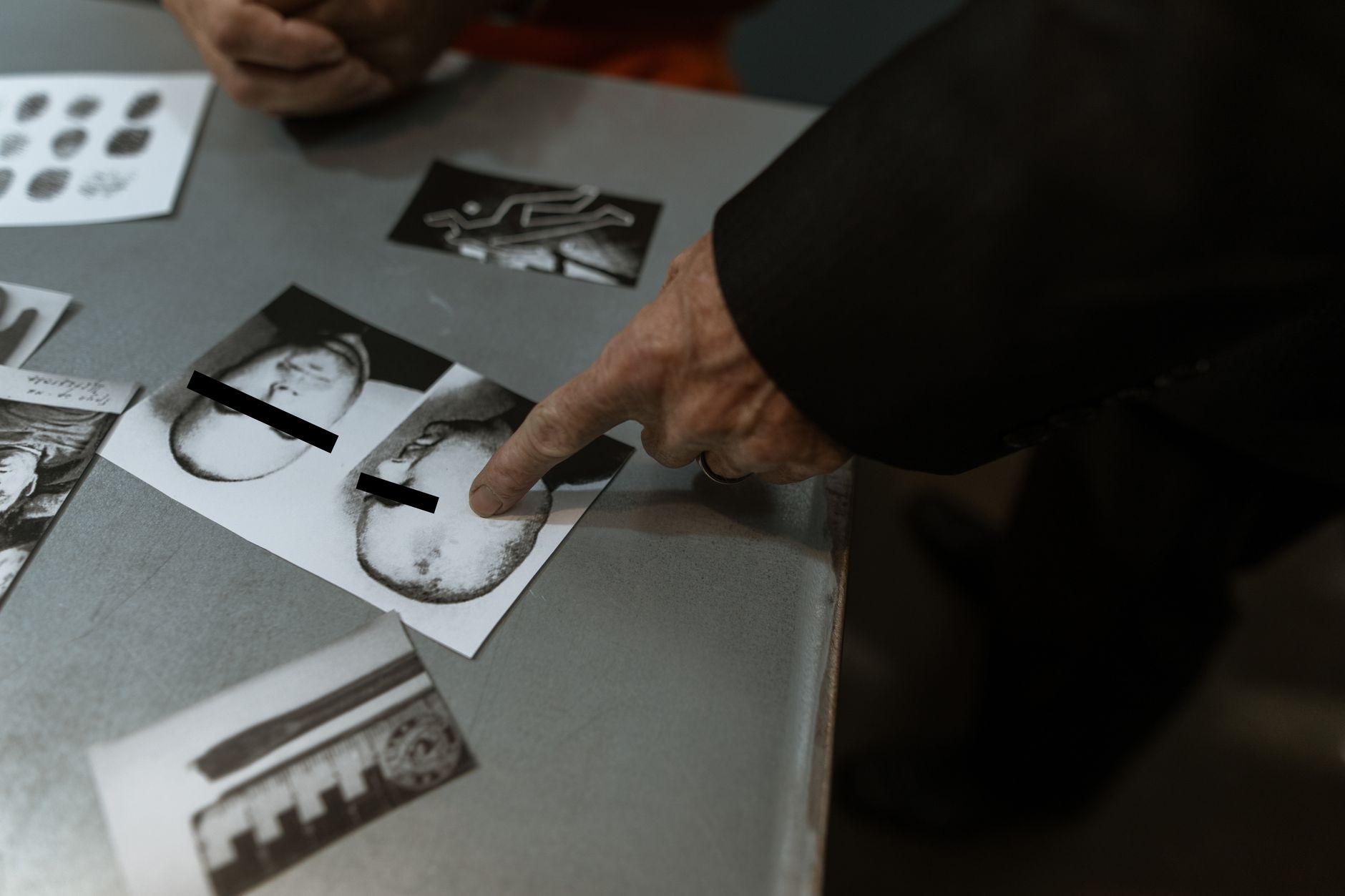
No matches were found in missing persons databases. Fingerprints were taken, but no records were on file. Investigators theorized the victim may have been a runaway or transient, possibly traveling through the area.
The disputed evidence
Early in the investigation, questions arose about the reliability of certain forensic conclusions. The initial autopsy estimated the time of death based on decomposition and insect activity, but some investigators later questioned whether environmental factors had been properly considered.
There was also disagreement over whether the victim had been sexually assaulted. The autopsy report noted possible signs of trauma, but the findings were described as inconclusive. Some officials believed the evidence supported the theory of a sexual assault, while others argued the condition of the body made such a determination impossible.
Clothing recovered at the scene included a red V-neck shirt and jeans. The garments were sent for trace evidence analysis, but no usable foreign fibers or DNA were recovered using the technology available at the time. Decades later, advancements in forensic testing allowed for reexamination, but results have not been publicly disclosed.
Persons of interest and dead ends
Over the years, several individuals have been investigated in connection with the case. In the 1990s, a man incarcerated for other violent crimes was questioned after he made statements suggesting knowledge of the murder. He later recanted, and no physical evidence linked him to the scene.
In 2006, investigators pursued a lead involving a missing teenager from Long Island whose disappearance timeline overlapped with the estimated date of death. DNA testing ruled out the match.
Another line of inquiry focused on a truck driver who had been known to frequent the area in the early 1980s. Witnesses reported seeing a young woman matching the victim’s description at a rest stop along Interstate 80 days before the body was found. The driver was never located, and the sighting was never confirmed.
Renewed attention and genetic genealogy
In 2018, the Warren County Prosecutor’s Office announced it was working with genetic genealogists to develop investigative leads using DNA recovered from the victim’s remains. The approach, which had led to breakthroughs in other cold cases, involves uploading DNA profiles to public genealogy databases and constructing family trees to identify possible relatives.
As of the most recent public updates, no identification has been made through genetic genealogy. Officials have not disclosed whether viable matches were found in the databases or whether the DNA sample was sufficient for the process.
The case has been featured in true crime media, generating renewed tips and public interest. In 2022, a documentary explored the investigation and highlighted ongoing efforts to identify the victim. Despite the attention, no new confirmed leads have been reported.
The questions that remain
Forty years after the discovery, basic facts about the victim remain unknown. Who she was, where she came from, and why she was in New Jersey have never been established. Investigators have acknowledged that early evidence collection may not have met the standards applied today, but they maintain that the case remains active.
The dispute over forensic findings has complicated efforts to build a clear timeline. Without certainty about the time of death or the presence of sexual assault, investigators face challenges in narrowing the suspect pool or connecting the case to other crimes.
Family members of missing women have come forward over the years, hoping for answers. Each time, DNA testing has ruled out the match. The victim’s grave in Blairstown is marked with a headstone reading “Princess Doe,” a name given by the community. The cemetery has become a site of remembrance, with visitors leaving flowers and notes.
Where to look next
- Documentary: “The Murder of Princess Doe” (Investigation Discovery)
- Book: “The Doe Network: Into the Web of America’s Unidentified Dead” by Sharon Crowley
- Podcast: “Princess Doe” (“Unresolved”, Independent)