
Case overview
Libby Squire, a 21-year-old University of Hull student, was last seen alive on a street in Hull, England, on February 1, 2019. Her body was recovered from the Humber Estuary seven weeks later. Pawel Relowicz was convicted of her rape and murder in 2021.
The last confirmed movements
On the night of February 1, 2019, Libby Squire went out with friends to a nightclub in Hull city center. She was turned away at the door of another venue around 11:00 p.m. and took a taxi home alone to her shared student house on Wellesley Avenue.
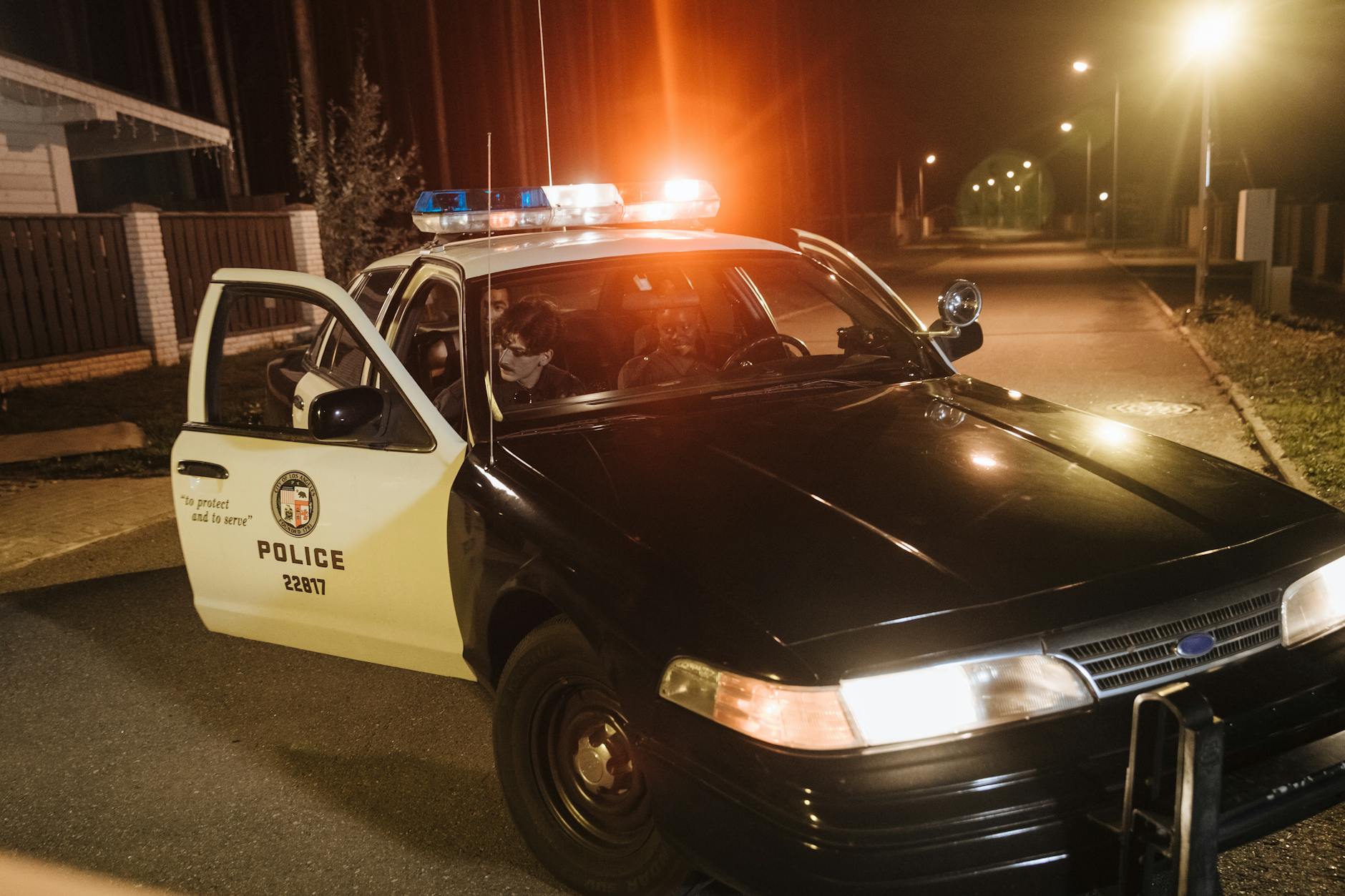
A motorist stopped to check on her around 11:45 p.m. after seeing her sitting on a bench near her home, visibly distressed and unable to get inside. The motorist called Humberside Police, but when officers arrived minutes later, Libby was gone.
CCTV footage captured her walking away from the area. That was the last verified sighting.
The search and the discovery
Humberside Police launched an immediate search. Officers canvassed the neighborhood, reviewed hours of CCTV, and deployed specialist dive teams to search nearby waterways. Libby’s disappearance drew national attention. Hundreds of volunteers joined organized searches across Hull.
On March 20, 2019, nearly seven weeks after she vanished, a member of the public found Libby’s body in the Humber Estuary near Grimsby Docks. A Home Office post-mortem could not establish a definitive cause of death due to the condition of her remains and the time spent in the water.
The suspect under surveillance
Detectives focused early on Pawel Relowicz, a 24-year-old Polish national living less than a mile from where Libby was last seen. Relowicz had been arrested weeks earlier on unrelated voyeurism and burglary charges involving stolen intimate items from homes in the area.
Digital evidence placed Relowicz’s car in the vicinity of Wellesley Avenue on the night Libby disappeared. CCTV showed his silver Vauxhall Astra driving slowly through the streets around the time she went missing. Phone data and automated number plate recognition cameras tracked his movements throughout the early hours of February 1.
Investigators found a pattern. Relowicz had repeatedly committed what prosecutors later called sexually motivated crimes in the same neighborhoods where students lived. He had been recorded on CCTV performing sex acts in public, watching women through windows, and breaking into homes to take underwear and sex toys.
The prosecution’s case
Relowicz was arrested on suspicion of rape on February 5, 2019, four days after Libby disappeared. He was released under investigation. After her body was recovered, he was arrested again and charged with rape and murder in April 2019.
At trial in 2021, prosecutors argued that Relowicz encountered Libby in a vulnerable state, drove her to a playing field near Oak Road, raped her, and then either caused her to enter the River Hull or left her in conditions where she did so. They presented evidence that his car had been in the Oak Road area shortly after midnight and that his phone showed internet activity consistent with being stationary near the riverbank.
DNA matching Libby was found on the back seat of Relowicz’s car. Investigators also recovered her phone, keys, and a Tesco receipt near the playing field. Tire marks and disturbance in the ground indicated recent vehicle activity.
The prosecution highlighted Relowicz’s behavior after Libby’s disappearance. He cleaned his car extensively and changed the seats. He denied ever meeting or seeing her.
The defense and the verdict
Relowicz admitted to being in the area but denied killing Libby. His defense argued that the DNA evidence alone did not prove rape or murder. His legal team suggested Libby may have entered the river accidentally or voluntarily, and that Relowicz was simply in the wrong place at the wrong time.
The jury at Sheffield Crown Court deliberated for just over nine hours. On February 11, 2021, Relowicz was found guilty of rape and murder. He was sentenced to life in prison with a minimum term of 27 years.
Judge Mrs. Justice Lambert described the case as a dreadful and brutal rape followed by an attempt to hide what he had done. She noted that Relowicz showed no remorse.
The disputed timeline
One point of continued scrutiny centers on the narrow window between when Libby was last seen on CCTV and when investigators believe she entered the water. Prosecutors argued the timeline supported their theory that Relowicz drove her to Oak Road, assaulted her, and caused her death shortly afterward.
Relowicz’s digital footprint that night showed erratic movements and gaps consistent with the prosecution’s account. The defense maintained that without direct witnesses or definitive physical evidence linking Relowicz to her entry into the water, the timeline remained circumstantial.
The court ultimately accepted the prosecution’s narrative based on the combination of DNA evidence, car tracking data, and Relowicz’s documented pattern of sexually motivated offenses in the same area.
The question that remains
The conviction brought legal closure, but questions about Libby’s final moments persist. The inability to determine a precise cause of death left some details open to interpretation. Investigators believe Relowicz either pushed her into the river or left her in a state where she could not save herself, but the exact sequence was never established beyond dispute.
What is confirmed is that Relowicz raped Libby Squire, that she was found in the river weeks later, and that his behavior and movements that night aligned with the prosecution’s case. The jury concluded that he was responsible for her death.
Where to look next
- Documentary: “The Libby Squire Story” (Channel 5)
- Documentary: “Murder in the Student Quarter” (Crime+Investigation UK)
- Book: “My Libby: The Final Chapter” by Lisa Squire
- Podcast: “Casefile True Crime”