

TLDR
Georgia teacher Jason Hughes died after a late-night senior prank outside his home, leading to felony vehicular homicide and related charges for an 18-year-old driver and misdemeanor counts for four classmates. Hughes’ widow has asked that all charges be dropped, but prosecutors retain discretion.
According to Fox News and local jail records, five North Hall High School students were arrested in early March 2026 after what authorities described as a long-standing prank tradition involving toilet papering Hughes’ property. The Hall County Sheriff’s Office said Hughes was walking toward the street as the group tried to leave in two vehicles, then tripped and fell into the roadway before being run over by a car driven by 18-year-old student Jayden Ryan Wallace.
From Senior Prank to Felony Case
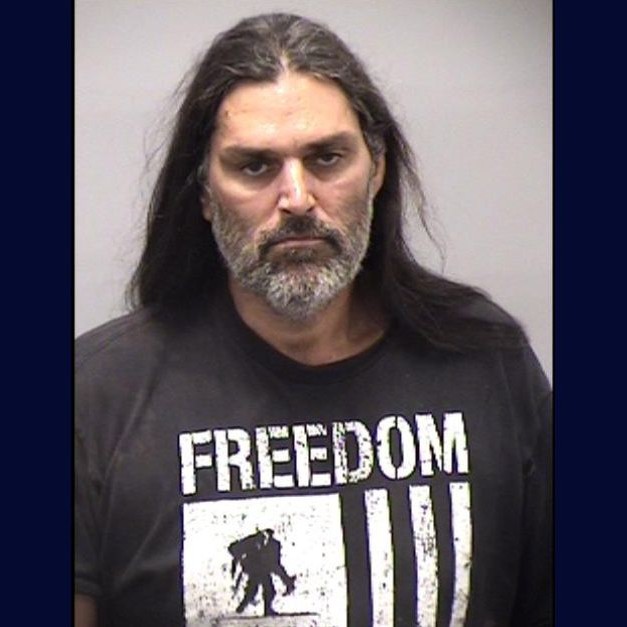
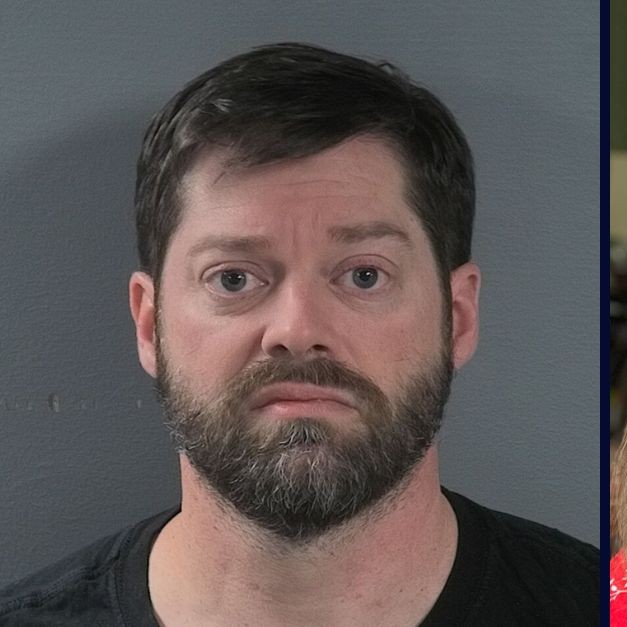
Investigators have treated the incident as a criminal matter rather than a pure accident. According to Fox News, Wallace faces felony charges of first-degree vehicular homicide and reckless driving, along with misdemeanor counts of criminal trespass and littering on private property. Four other 18-year-olds, identified by law enforcement as Elijah Tate Owens, Aiden Hucks, Ana Katherine Luque, and Ariana Cruz, were charged with misdemeanor criminal trespass and littering.
In Georgia, first-degree homicide by vehicle is a serious felony that can be charged when a death results from reckless driving or certain traffic offenses. According to the New York Post, the prank at North Hall High School had evolved into an ongoing game in which students tried to “roll” Hughes’ house with toilet paper, losing informal “points” if he caught them. That context, while important to the school community, does not legally negate potential findings of recklessness under state law.
Widow’s Statement Challenges Usual Narrative
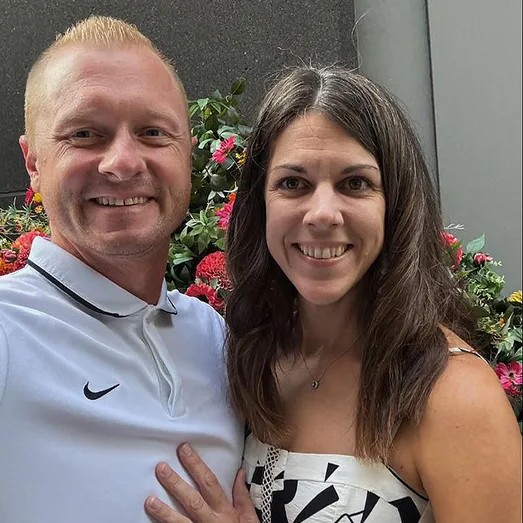
Family members of homicide victims often push prosecutors to pursue tougher charges or longer sentences. In this case, Hughes’ widow, Laura, has made the opposite request. In comments cited by The New York Times, she described her husband as excited to catch students in the act that night, not as someone seeking confrontation, and urged that the teenagers not face severe legal consequences.
Laura Hughes’ message, reported by Fox News, was explicit: “This is a terrible tragedy, and our family is determined to prevent a separate tragedy from occurring, ruining the lives of these students.” She added that punishing the teens harshly “would be counter to Jason’s lifelong dedication of investing in the lives of these children.” The school, in a statement to FOX 5 Atlanta, called Hughes a loving husband, devoted father, and respected teacher and coach, and asked that the family’s privacy be respected as they grieve.
Next Steps for Investigators and Courts
All five students have been released on bond, and Wallace’s total bond was listed as $1,950, according to jail and court records cited by Fox News. The Hall County Sheriff’s Office has described how the students stopped and tried to assist Hughes while waiting for first responders, and Hughes later died from his injuries. That sequence of events, along with their cooperation at the scene, may become relevant to charging or sentencing decisions.
In Georgia, prosecutors are not legally bound by a victim’s family’s wishes, whether those wishes favor harsher punishment or leniency. District attorneys typically weigh statutory elements, available evidence, prior case law, and public safety concerns when deciding whether to maintain, reduce, or dismiss charges. Any future plea negotiations, diversion options, or changes to the current counts for Wallace and the other students would occur in that framework, with Laura Hughes’ statements as just one factor among many. For now, the students remain charged, and the case sits at an unusual intersection of criminal liability, school culture, and a family’s request for mercy.
As the Hall County investigation feeds into prosecutorial review, key questions remain about how closely charges will track the most serious statutory options available. Whether the district attorney chooses to pursue the existing felony case in full, adjust it, or seek a resolution that reflects the widow’s plea will determine how this tragedy is ultimately recorded in the criminal courts.